Let’s be blunt. The restaurant industry is a relentless grind, and The Cheesecake Factory (CAKE) is once again in the spotlight, this time for robust traffic figures. TradingView’s recent observation poses a critical question: Can this strong traffic offset persistent restaurant cost inflation? From where I stand, with dirt under my fingernails from countless kitchen walk-throughs, the answer is a resounding ‘maybe, but not without a fight – a ruthless, operational fight.’ Traffic is revenue, yes, but profit is what keeps the lights on and the staff paid. And in today’s environment, defending those margins requires more than just full tables; it demands surgical precision in operations and an unwavering focus on the bottom line.
The allure of a bustling dining room is undeniable. CAKE’s ability to draw consistent customer traffic, even in an economically uncertain climate, speaks volumes about its brand strength, menu diversity, and consistent guest experience. In an industry grappling with shifting consumer behaviors and dwindling discretionary spending for many, this sustained demand is a powerful asset. It suggests a resilient customer base, perhaps even some inelasticity to price increases, and a capacity for higher sales volume. For many operators, just getting people through the door is half the battle. So, on the surface, robust traffic looks like a clear win. It provides the top-line fuel necessary to even begin addressing the cost pressures.
The Relentless March of Inflation: An Operator’s Nightmare
But let’s peel back the layers. What good is a packed house if every plate served costs more to produce and deliver than the last? The ‘persistent restaurant cost inflation’ mentioned isn’t some abstract economic theory; it’s the cold, hard reality hammering every restaurant operator, from the smallest independent diner to multi-unit giants like CAKE. And nowhere is this more acutely felt than in the kitchen and on the payroll.
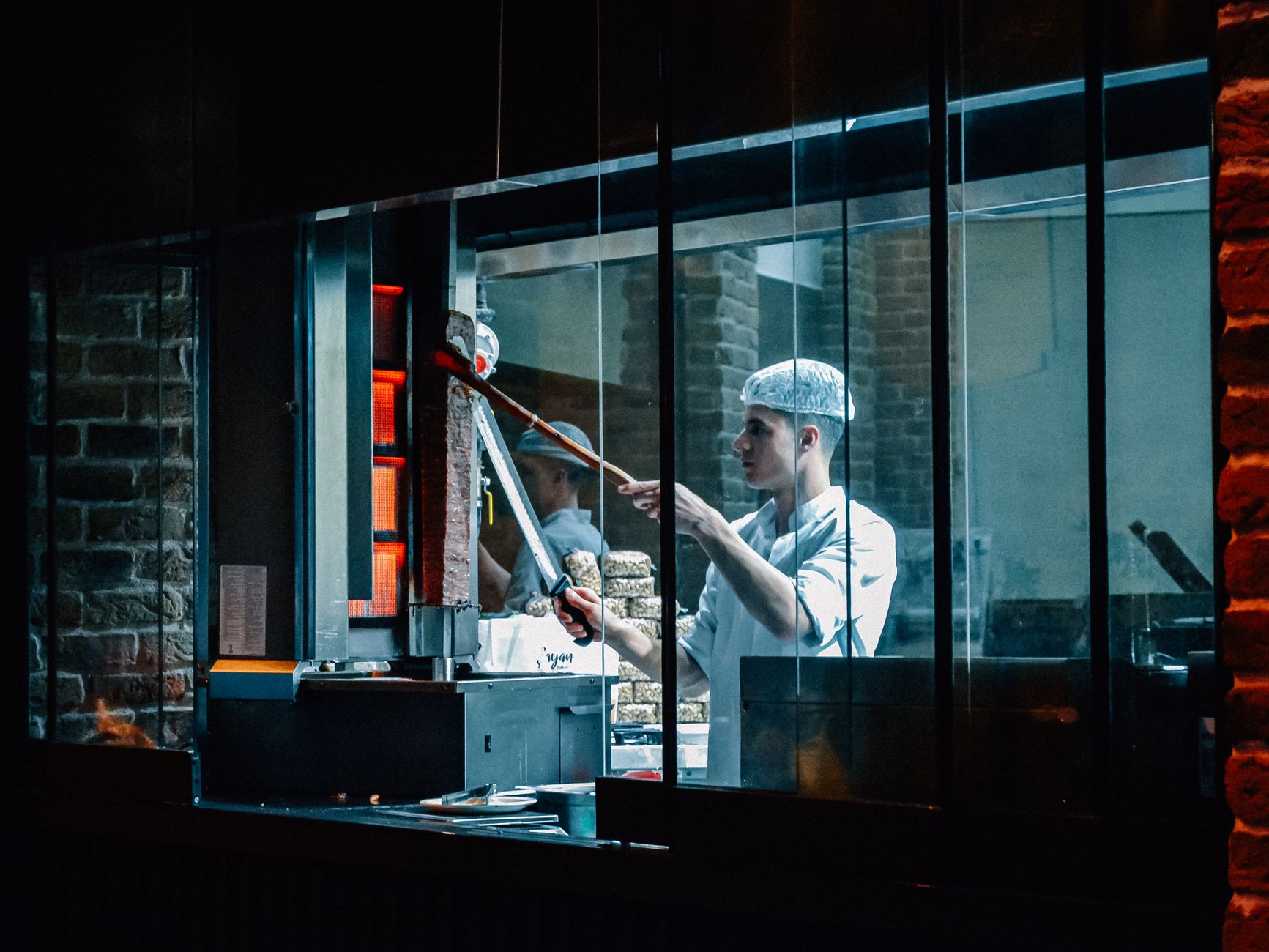
Labor costs are the undisputed beast in this equation. Minimum wage increases continue their march across states and localities, and the competitive landscape for skilled and reliable labor remains fierce. Finding a line cook, a prep chef, or even a dishwasher willing to put in the hours for anything less than a living wage is becoming a pipedream. This isn’t just about base wages; it’s about benefits, overtime, training, and the staggering cost of high turnover. When you’re constantly replacing staff, you’re not just paying for recruitment; you’re bleeding efficiency, consistency, and morale. For a concept like The Cheesecake Factory, with its famously extensive menu requiring significant prep and a large, intricate kitchen brigade, labor efficiency is not just a goal – it’s an existential necessity. Every added minute a dish takes to prepare, every extra hand on the line, every hour of overtime, eats directly into those hard-won revenues.
Beyond labor, food costs continue their volatile dance. Supply chain disruptions, adverse weather events, geopolitical instability – these aren’t just headlines; they translate directly to higher costs for everything from flour and eggs to premium proteins and exotic produce. A menu as vast and varied as CAKE’s, while a draw for customers, is also a massive logistical and cost-management challenge. More ingredients mean more suppliers, more inventory to manage, more potential for spoilage, and more exposure to price fluctuations. Any operator worth their salt knows that securing favorable pricing and maintaining consistent quality from suppliers requires constant vigilance and aggressive negotiation, strategies that are becoming increasingly difficult in a seller’s market.
Then there are the ‘other’ operational costs: escalating rents, rising utility prices, increased insurance premiums, and maintenance for aging equipment. Each represents another paper cut on the restaurant’s already thin profit margin. The cumulative effect of these inflationary pressures means that even with strong traffic, the percentage of revenue that trickles down to actual profit can be alarmingly small, or worse, negative.
Lean Operations: The Only True Defense
So, can CAKE’s strong traffic offset these costs? Only if that traffic is backed by an iron-clad commitment to lean operations and ruthless efficiency. This isn’t about cutting corners on quality or service; it’s about intelligent design, process optimization, and leveraging every single resource effectively. For CAKE, this means:
- Menu Engineering for Profitability: While the extensive menu is a hallmark, it’s also a liability if not meticulously managed. Are all 250+ items truly pulling their weight? Which items offer the best contribution margin, and can they be subtly promoted? Can complexity be reduced in prep without compromising the final product? Standardizing recipes, optimizing ingredient usage, and reducing waste in the kitchen are paramount.
- Labor Optimization, Not Just Reduction: This goes beyond simply cutting hours. It means smarter scheduling based on granular demand forecasting, cross-training staff for versatility, and implementing technology to automate repetitive tasks (e.g., advanced inventory systems, predictive scheduling software). It also means investing in retention – a stable, well-trained workforce is inherently more efficient and less costly than a revolving door of new hires.
- Supply Chain Mastery: Leveraging their scale, CAKE must be aggressively negotiating with suppliers, exploring alternative sourcing, and perhaps even engaging in forward buying for key commodities when feasible. Reducing waste, from receiving to plate, directly impacts food cost percentages.
- Pricing Strategy with Precision: While traffic suggests some pricing power, it’s a delicate balance. Incremental price adjustments must be strategically applied to items that can bear it, without driving away price-sensitive customers. This requires deep data analytics to understand price elasticity for different menu categories.
The Bottom Line: A Hard Fight Ahead
The Cheesecake Factory’s strong traffic is undoubtedly a significant advantage, providing a robust top-line to work with. But in the current economic climate, it’s merely the starting gun for a far more challenging race. The persistent cost inflation, particularly in labor and food, is not a temporary blip; it’s the new baseline. For CAKE, and indeed for any restaurant aiming for long-term viability, success will hinge not just on attracting customers, but on a relentless, granular focus on operational efficiency and a pragmatic approach to margin defense. The field demands tough decisions, shrewd management, and an unwavering commitment to making every dollar earned work as hard as the kitchen staff sweating over the stoves. Anything less, and even the strongest traffic flow will eventually erode under the relentless tide of rising costs.