The era of the one-dimensional “spicy chicken sandwich” is officially over. As we enter the third quarter of 2026, consumer palates have matured at an astonishing rate, forcing culinary directors to completely abandon generic capsaicin heat in favor of deeply layered, multi-sensory flavor profiles. The breakout star of the year is “swicy”—a calculated collision of sweet and spicy—driven by ingredients like hot honey, black currant reductions infused with Calabrian chilies, and fermented fruit sambals. This evolution represents a sophisticated demand for experiential eating, where heat acts as an illuminating canvas for other flavors rather than a mere endurance test.

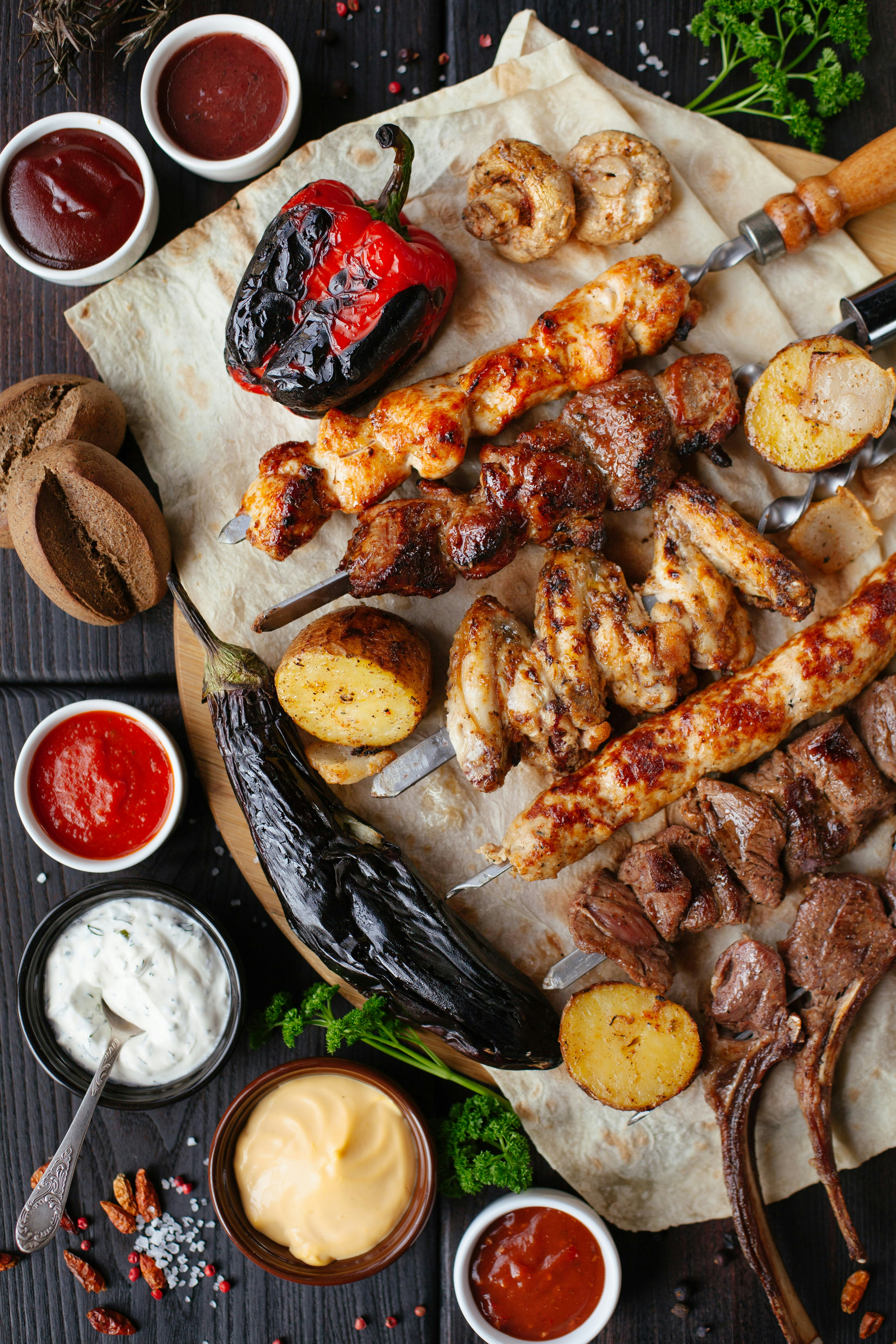
The psychology behind this shift is deeply tied to the post-pandemic dining aesthetic. Consumers are spending their disposable income on meals that provide immediate sensory escapism. A simple dash of hot sauce no longer justifies a premium menu price. Instead, operators are utilizing live-fire cooking methods—such as binchotan charcoal and wood-fired char—to introduce a smoky bitterness that cuts through sweet-heat glazes. We are seeing fast-casual brands successfully implement regional Italian profiles, swapping out heavy, generic tomato bases for vibrant, herb-forward sauces like gremolata and salmoriglio that pair brilliantly with high-heat proteins.
“Our guests want to be challenged, but they want to be comforted at the exact same time,” explains Julian Aris, Executive Chef of a rapidly expanding national gastropub syndicate. “If I just blast a dish with ghost pepper, I lose the nuance of the local pork belly. But if I use a slow-fermented chili crisp balanced with a dark cherry botanical reduction, the brain lights up. It is about creating a craveable memory, not just a physical reaction.”
This flavor revolution carries heavy implications for supply chain and procurement teams. Sourcing authentic, high-quality global spices and fermented pastes is significantly more volatile than ordering bulk cayenne. However, franchisors who refuse to invest in these premium flavor architectures will find their menus perceived as stale and uninspired by the end of the year. To capture the elusive, high-ticket Gen Z and Millennial dining cohorts, bold and culturally authentic flavor layering is now the absolute baseline for entry.