The fundamental architecture of the global foodservice supply chain is breaking under sustained geopolitical pressure. As we move through the third quarter of 2026, the obsession with “just-in-time” lean manufacturing—a model that dominated the industry for two decades—is officially dead. Ongoing trade fragmentation and near-constant disruption of major maritime shipping corridors have triggered massive volatility in crude oil and freight costs. In response, enterprise restaurant brands are rapidly shifting to “just-in-case” economics, hoarding strategic inventory buffers and rapidly regionalizing their production networks to survive the turbulence.

The financial strain of holding massive inventory buffers is forcing a rapid acceleration in technological integration. Brands can no longer afford to let excess stock spoil in regional distribution centers. Instead, they are deploying “Agentic AI”—autonomous software systems embedded directly into their enterprise execution platforms. These AI agents do not just report on inventory levels; they actively re-route shipments in real-time based on predictive demand models and localized weather patterns, operating entirely without human intervention to minimize perishability.
“We are essentially operating as a tech-enabled logistics firm that happens to sell food,” explains Robert Vance, Chief Supply Chain Officer for a global chicken franchise. “If a trade route in the Near East is disrupted on a Tuesday, our predictive algorithms automatically adjust our soybean and packaging sourcing to South American vendors by Wednesday morning. If you are still relying on human procurement managers running monthly spreadsheets, your margin is already gone.”

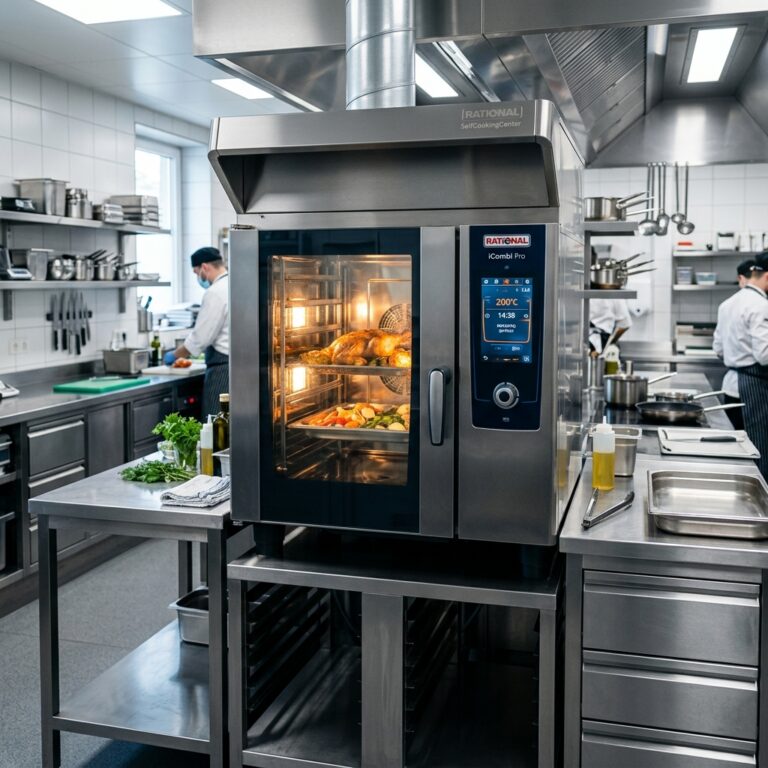
This rapid tech integration is heavily impacting unit-level operations. To support this digital ecosystem, restaurants are undertaking “brownfield modernization”—retrofitting existing kitchens with polyfunctional robotics and smart refrigeration units that feed real-time usage data back to the central AI. As the geopolitical landscape remains fractured through the end of the year, survival in the foodservice sector will depend entirely on how fast a brand can synthesize global disruption data into localized kitchen execution.