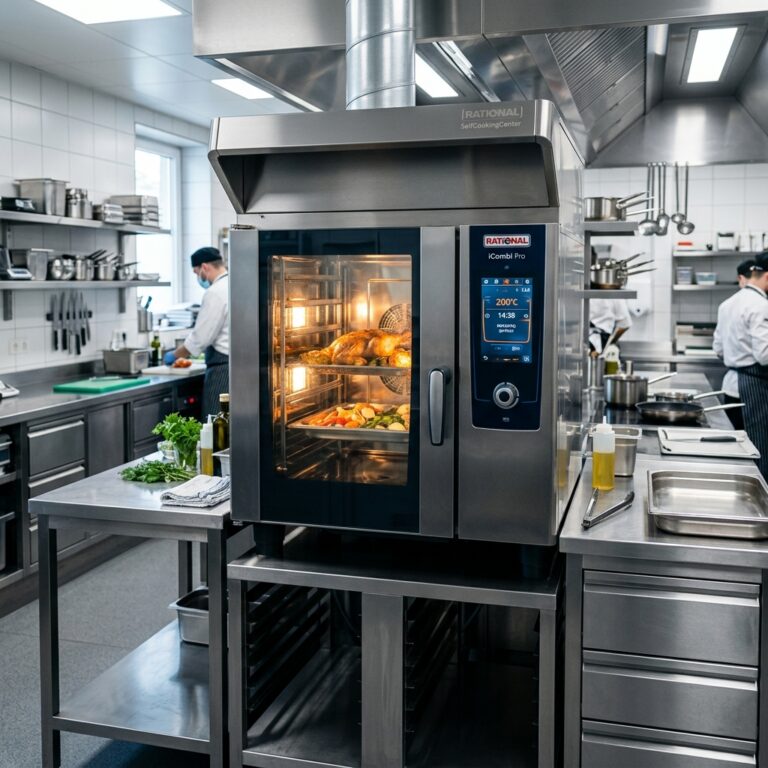
The endless cycle of isolated beta tests is officially over. Heading into the second half of 2026, restaurant automation has hit absolute escape velocity. Enterprise franchises are no longer running PR-focused pilots with novelty front-of-house humanoids; instead, they are quietly deploying ruthless, high-efficiency hardware directly into the back-of-house. By adopting the “Toyota Model” of targeted robotics, top-tier brands are systematically automating their most dangerous and repetitive bottlenecks—fry stations, dishwashing, and heavy prep—allowing human talent to pivot exclusively to high-touch hospitality.

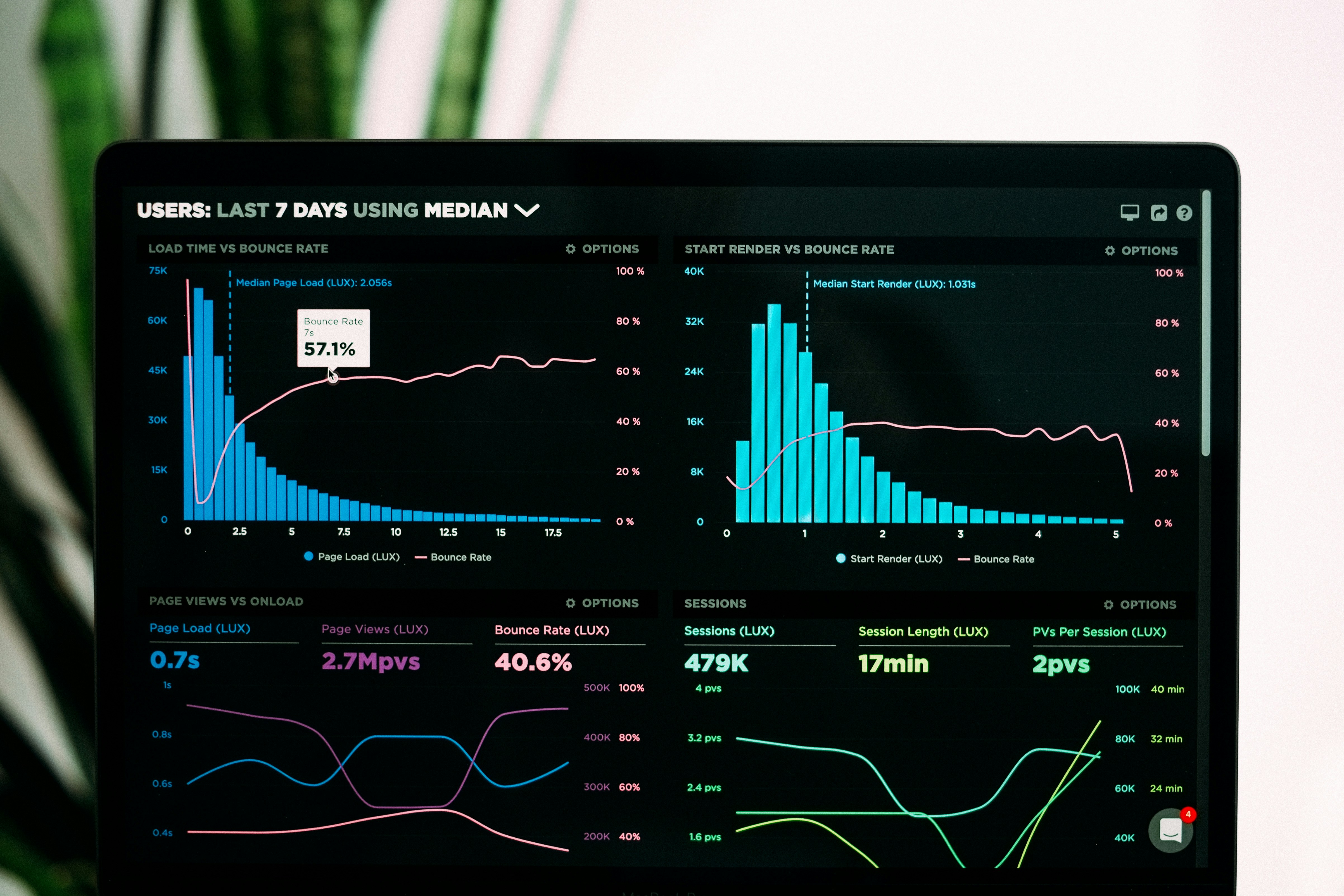
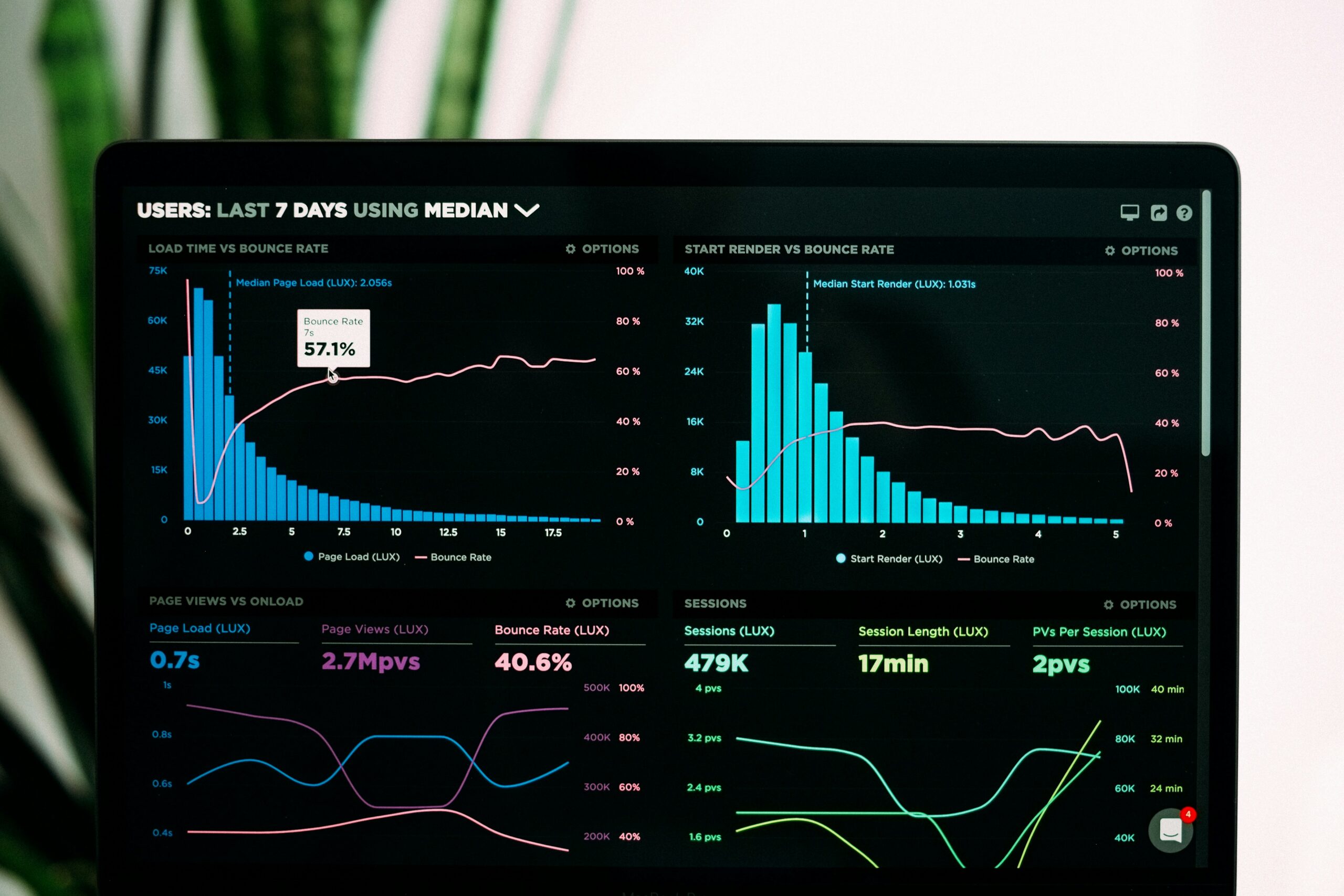
The primary accelerant here is the rapidly improving ROI threshold. With human labor costs stabilizing around the $16–$20/hour mark in major urban markets, the payback period for enterprise-grade kitchen automation has shrunk from an unpalatable seven years down to a highly defensible 36 months. However, the hardware is only half the equation. The real alpha is being generated by “Agentic AI”—the invisible software layer. These systems dynamically adjust prep levels and robotics output based on real-time external data feeds like micro-weather patterns and local event schedules.
“We stopped treating robots as employees and started treating them as operating systems,” says Mia Reynolds, Head of Tech Infrastructure for a rapidly scaling fast-casual unicorn. “Our fry station robot doesn’t just cook; it communicates directly with our predictive analytics engine. If the AI detects a 20% spike in drive-thru traffic based on a local stadium letting out early, the robotic arm preemptively increases output before the human expediter even sees the rush coming.”

For B2B operators and early-stage investors, the writing is on the wall. The competitive moat in 2026 is defined entirely by data architecture and hardware deployment. Franchisors who fail to standardize their tech stack across their portfolio will be crushed by labor volatility. The future of the physical restaurant is a fully integrated digital ecosystem, where intelligent hardware handles the heavy lifting, allowing human operators to focus entirely on community, brand, and experience.