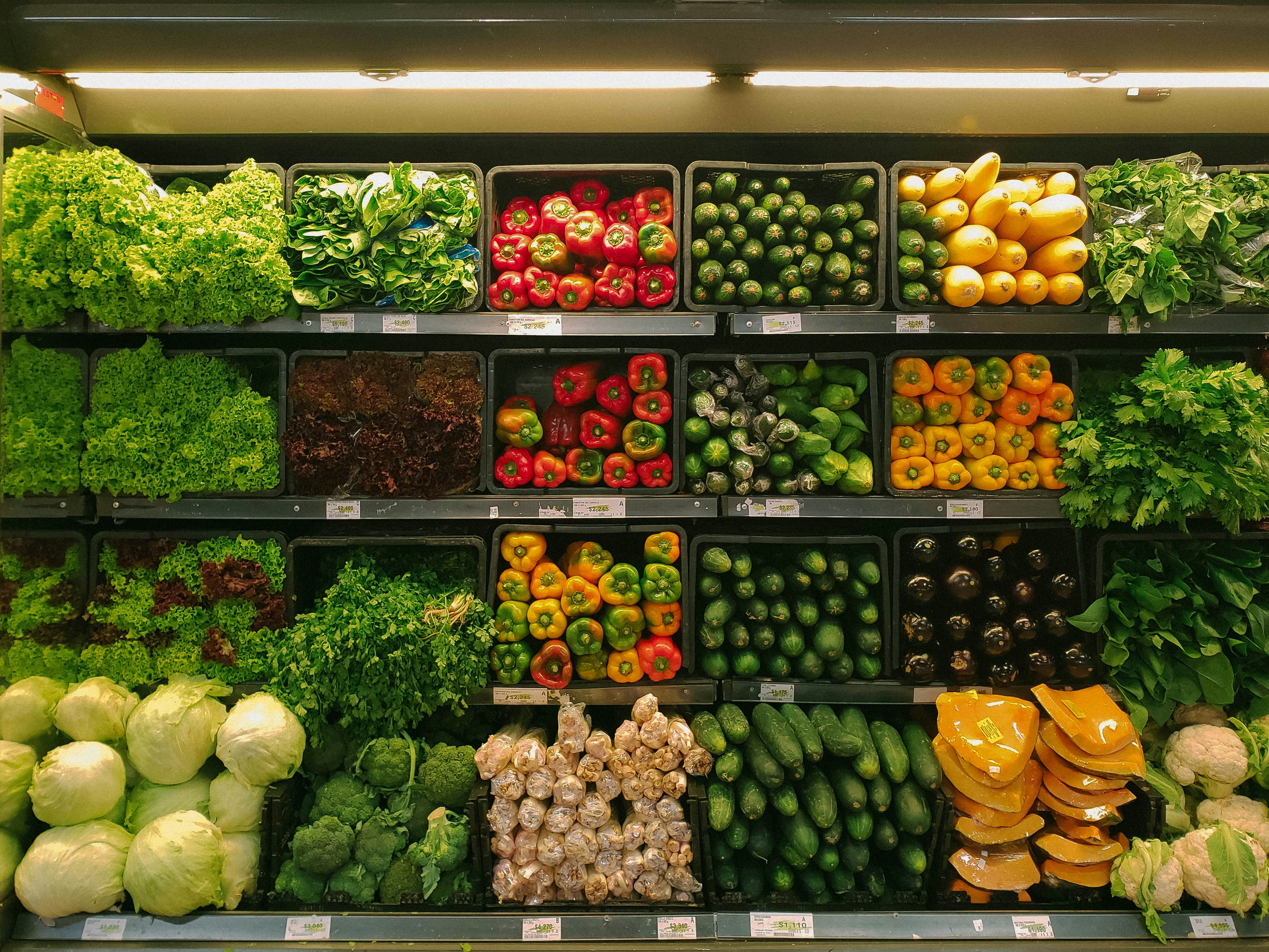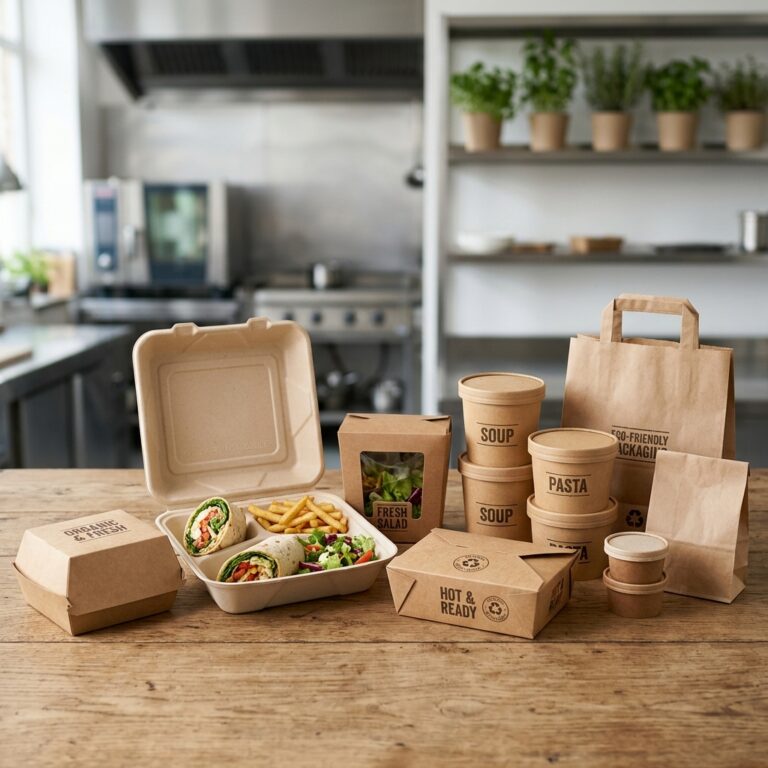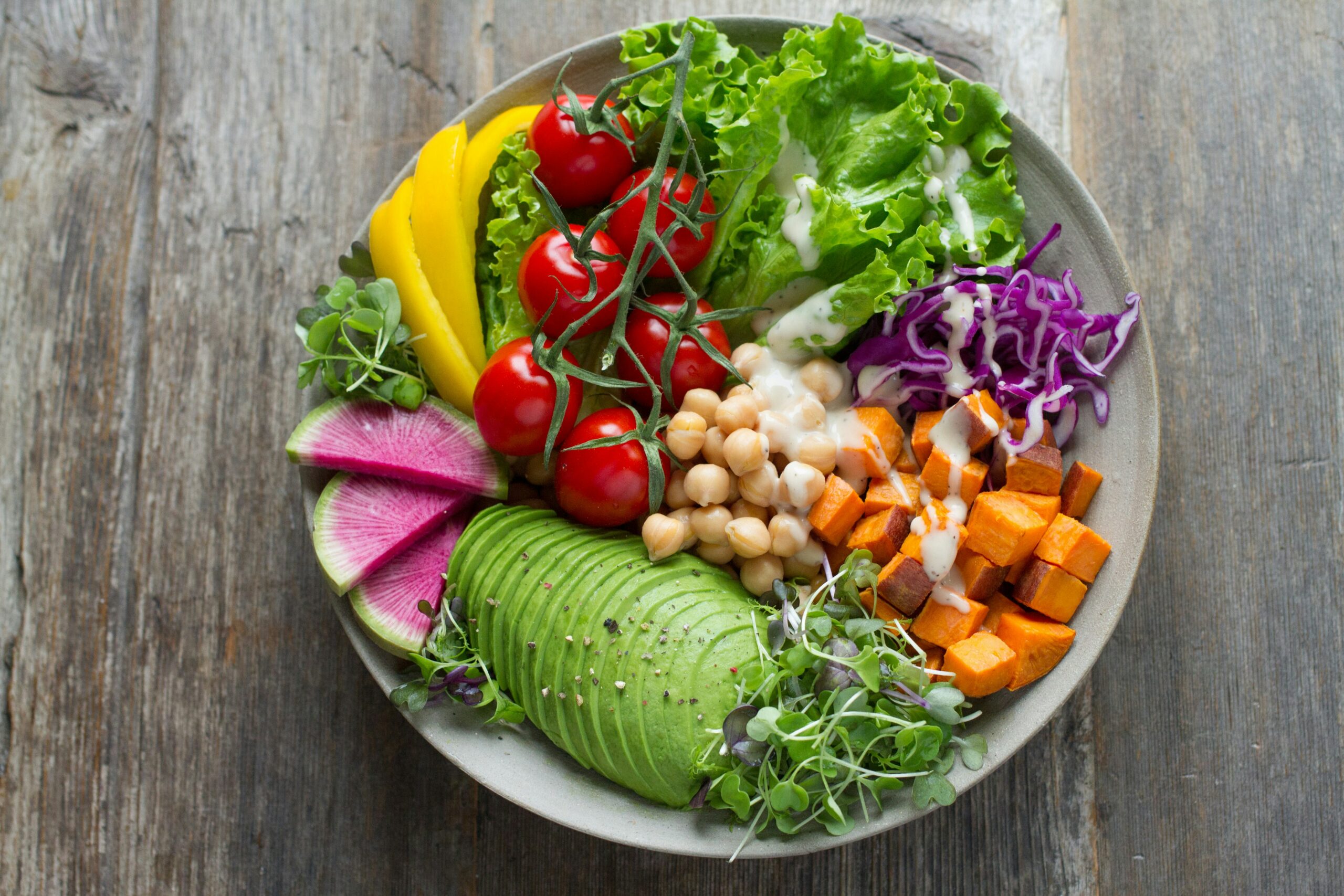
The “novelty” phase of the alternative protein market has violently collapsed. Entering the second half of 2026, restaurant consumers are actively rejecting the hyper-processed “meat mimicry” analogs that defined the early decade. Driven by a demand for clean labels and operational transparency, diners are scrutinizing the long lists of synthetic additives in traditional plant-based burgers. In response, franchise culinary directors are pivoting aggressively toward “ingredient-led” proteins, where whole foods—legumes, ancient grains, and specialized mushrooms—are celebrated for their natural textures rather than heavily processed to imitate beef or chicken.
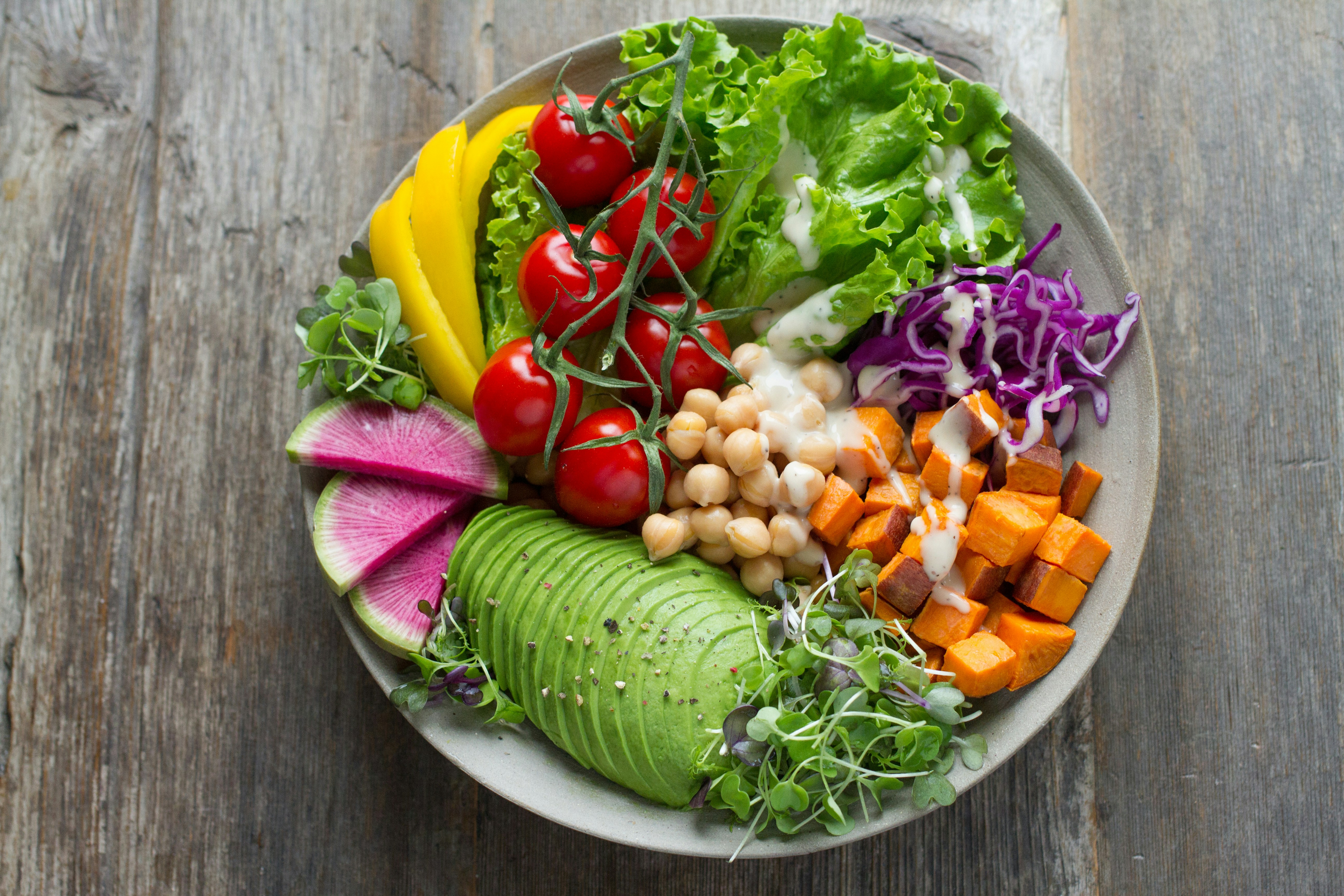
This shift toward ingredient transparency aligns perfectly with the industry’s new baseline for operational sustainability. Sustainability in 2026 is no longer a marketing angle; it is an auditable operational standard. By sourcing whole, regional vegetables and utilizing biomass fermentation for high-quality mycoproteins, franchises are significantly shortening their supply chains and reducing their carbon footprints without risking accusations of greenwashing. Furthermore, operators are quietly normalizing these items, integrating them into the core menu as standard “protein choices” to capture the massive flexitarian demographic, rather than isolating them in a niche “vegan” section.
“The consumer caught on to the fact that a lab-extruded soy patty isn’t necessarily better for their body just because it isn’t meat,” explains Dr. Marcus Vance, Director of Culinary Innovation at a massive global foodservice conglomerate. “We completely overhauled our plant-based strategy this year. We removed the bleeding fake burgers and replaced them with a proprietary, fire-roasted lentil and mushroom medallion. The ingredient list went from thirty items down to five. Our flexitarian sales jumped 40% in a single quarter because the trust returned.”
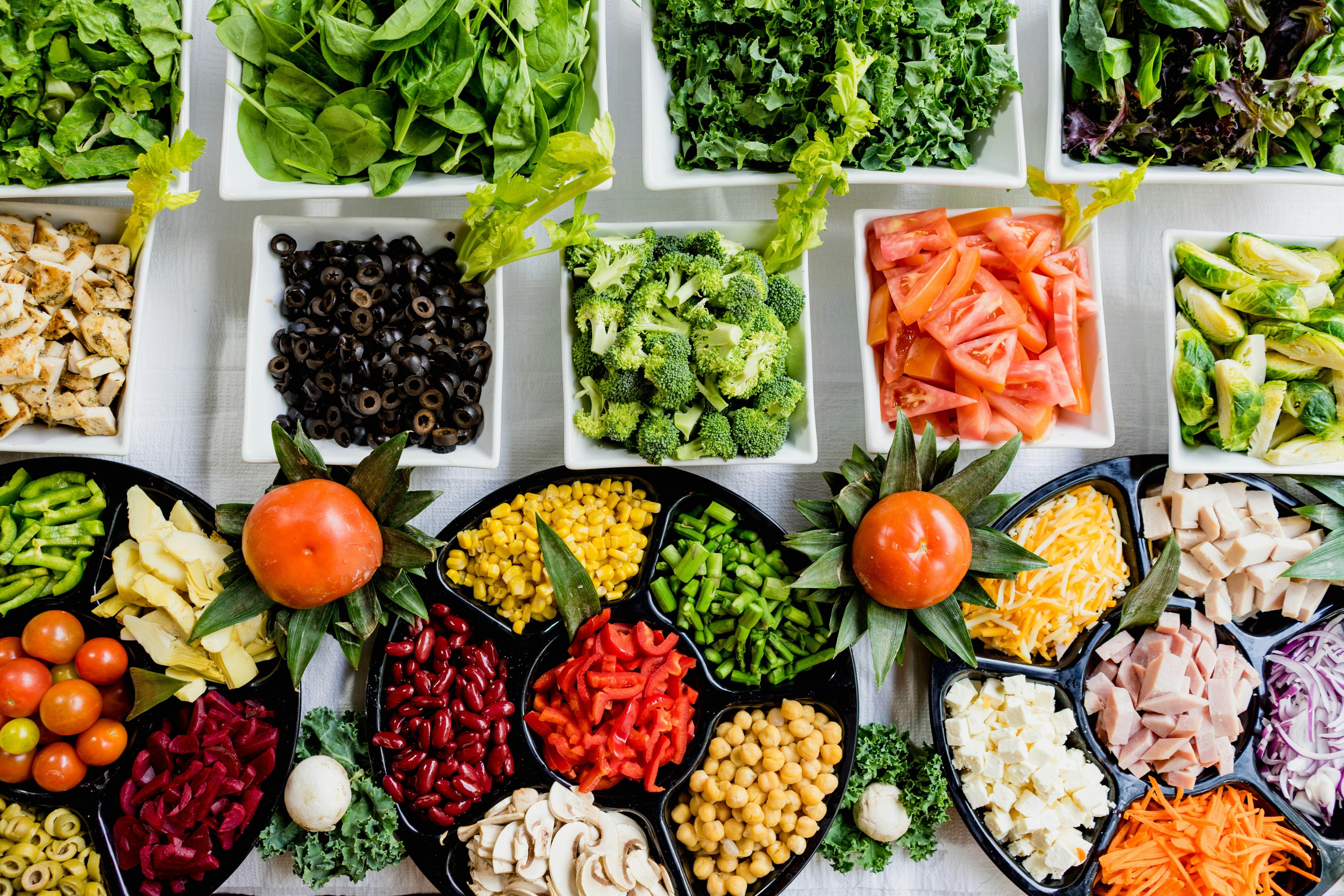
The financial implications for franchisors are immediate. Whole-food, ingredient-led proteins generally carry a lower cost-of-goods-sold (COGS) compared to heavily engineered meat analogs, protecting tight unit margins. As we move toward 2027, the successful restaurant menu will prioritize “performance”—offering clear nutritional benefits like gut health and high fiber—delivered through authentic, transparent, and ethically sourced plant materials.