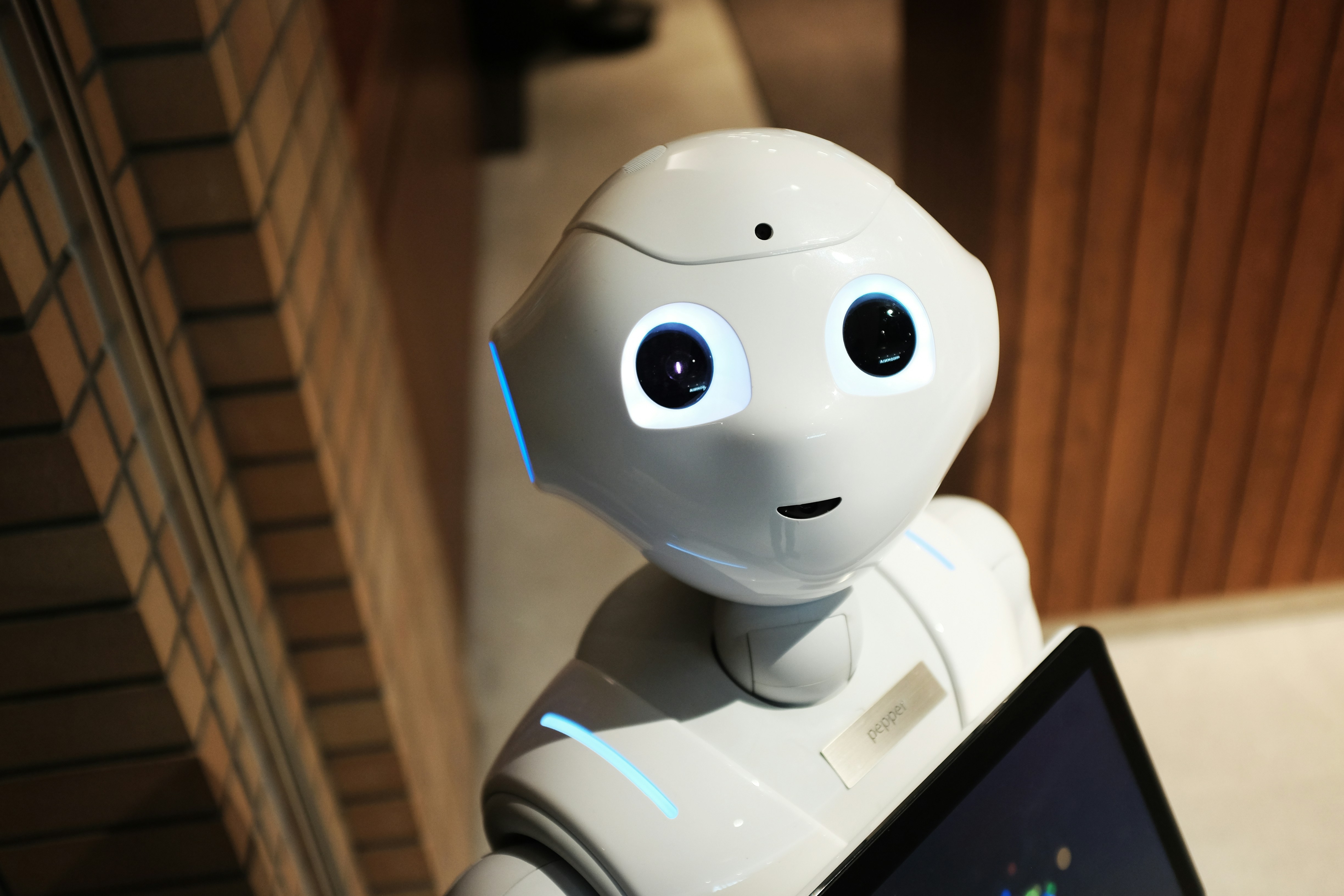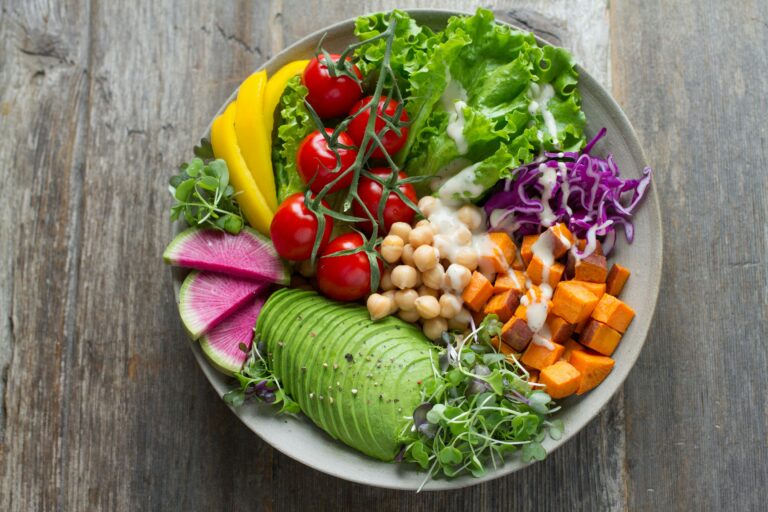
The QSR tech landscape has finally matured past the era of the shiny, front-of-house gimmick. As we accelerate into the second half of 2026, the real venture capital money is flowing entirely into “invisible automation”—specifically, the rise of Physical AI in the back-of-house. Startups that once tried to build humanoid robots to serve coffee are pivoting or dying, while companies focused on brutally efficient, under-the-counter automated makelines are securing massive Series C funding rounds. The mandate from enterprise franchisees is clear: do not build me a robot that talks; build me a system that assembles a salad bowl in six seconds flat.
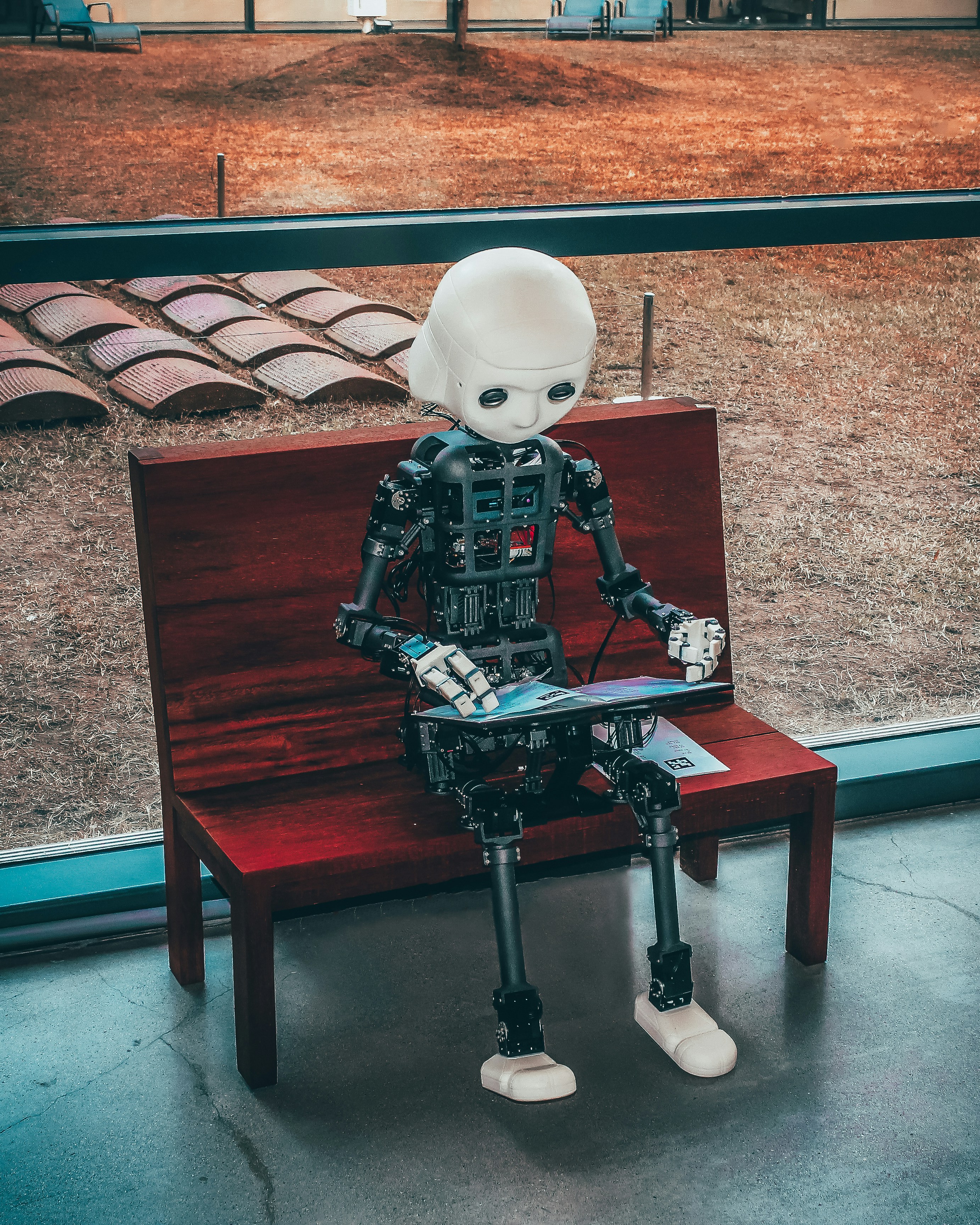
The defining innovation of the current cycle is the collaborative robot, or “co-bot.” Industry disruptors like Hyphen are deploying platforms that literally exist beneath the traditional prep counter. While a human employee handles the complex, customized topping requests for a walk-in customer above the counter, the Physical AI system underneath is rapidly and autonomously assembling digital delivery orders in a synchronized ballet of dispensing mechanisms. This dual-layer approach effectively doubles the kitchen’s throughput capacity without requiring a single additional square foot of highly expensive real estate.
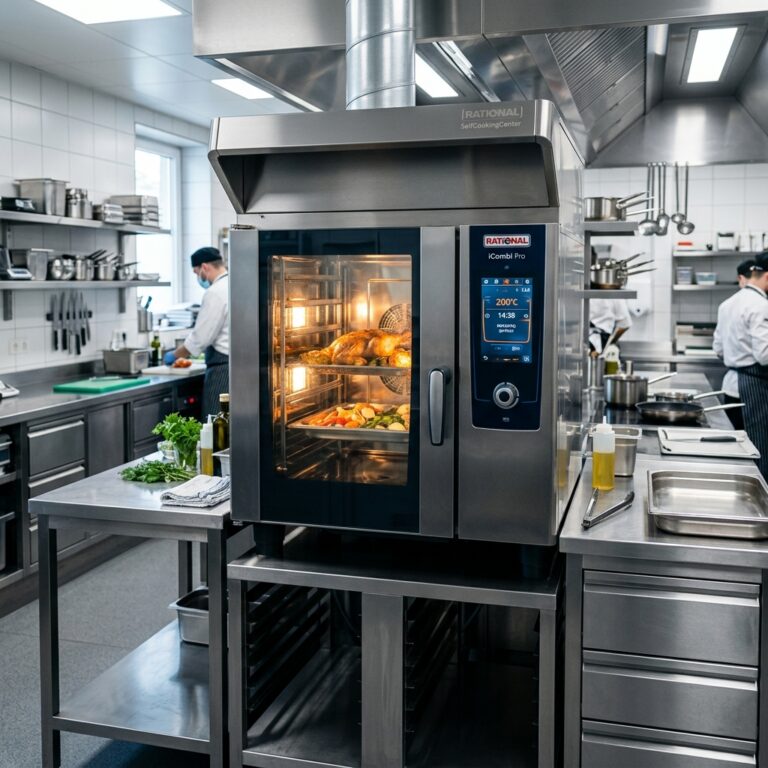
“The goal of our hardware is not replacement; it is human augmentation,” states Marcus Vance, CTO of a prominent kitchen robotics startup. “The modern kitchen is fundamentally a micro-manufacturing facility suffering from severe labor friction. By deploying AI-driven vision systems that monitor the fry stations and automated makelines that handle digital order assembly, we remove the most physically taxing and repetitive bottlenecks. We let the hardware do the heavy lifting so the human operators can focus on hospitality and quality assurance.”

For the B2B operator, the return on investment (ROI) metrics for these Physical AI integrations have finally tipped into undeniable viability. With minimum wage floors escalating and digital order volume continuing its relentless climb, the cost of an automated makeline subscription—often deployed via a Robotics-as-a-Service (RaaS) model—is now mathematically lower than the cost of funding a fully staffed, secondary prep line. The future of the QSR franchise model belongs entirely to the operators who embrace this invisible, high-velocity automation.