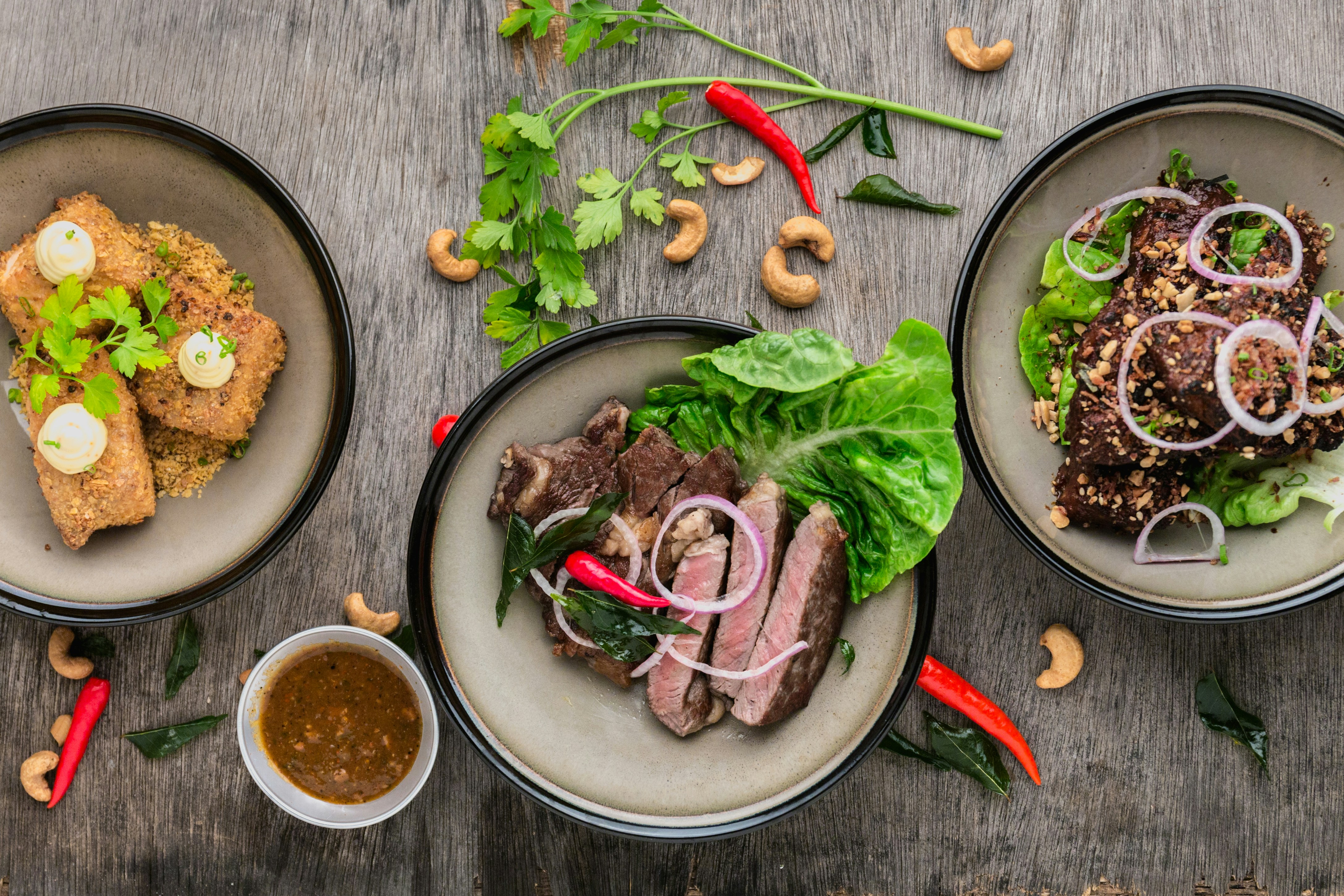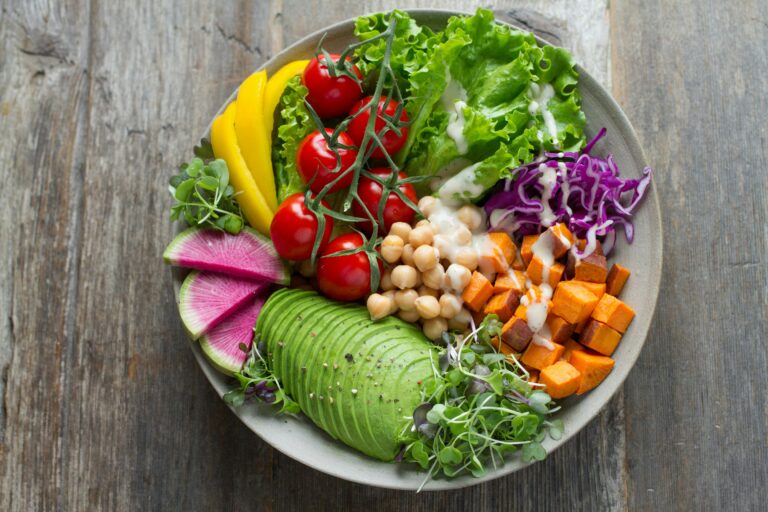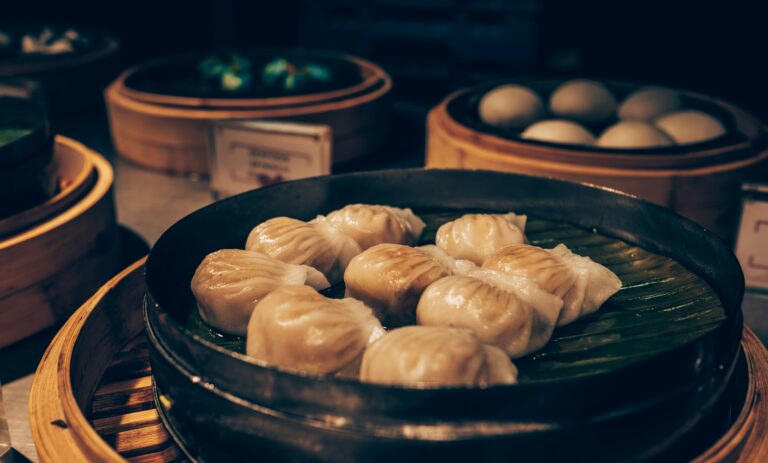
The consumer palate has grown aggressively restless. As we navigate the complexities of Q3 2026, the traditional fast-casual menu of safe, homogenized comfort food is facing outright rejection. Diners are suffering from an acute case of culinary fatigue, driving an industry-wide pivot toward what culinary directors are calling “flavor escapism.” Today’s consumer expects their $15 lunch to act as a passport—a brief, visceral departure from the mundane, achieved through unapologetically bold, globally inspired flavor collisions.
The undisputed champion of this new era is the evolution of the “swicy” (sweet and spicy) profile. What began as a simple honey-sriracha drizzle has matured into highly complex, culturally layered umami bombs. We are seeing major national chains integrate gochujang-maple glazes, Caribbean-spiced mango chutneys, and hot-honey za’atar dry rubs into their core chicken and bowl offerings. These intense, high-impact sauces are the most operationally efficient method for a franchise to radically update its flavor profile without overhauling its underlying supply chain or adding prep time to the line.
“The modern diner isn’t just eating; they are chasing a sensory high,” explains Chef Julian Cortez, Head of Culinary Development for a rapidly expanding fast-casual fusion concept. “You cannot just offer a ‘spicy’ chicken sandwich anymore. It has to have a narrative. It needs the audible crunch of a twice-fried batter, the immediate heat of a ghost pepper oil, and the cooling, herbaceous finish of a yuzu crema. If the dish doesn’t hit at least three different textural and temperature notes, the Gen Z consumer will instantly label it as boring and move on.”
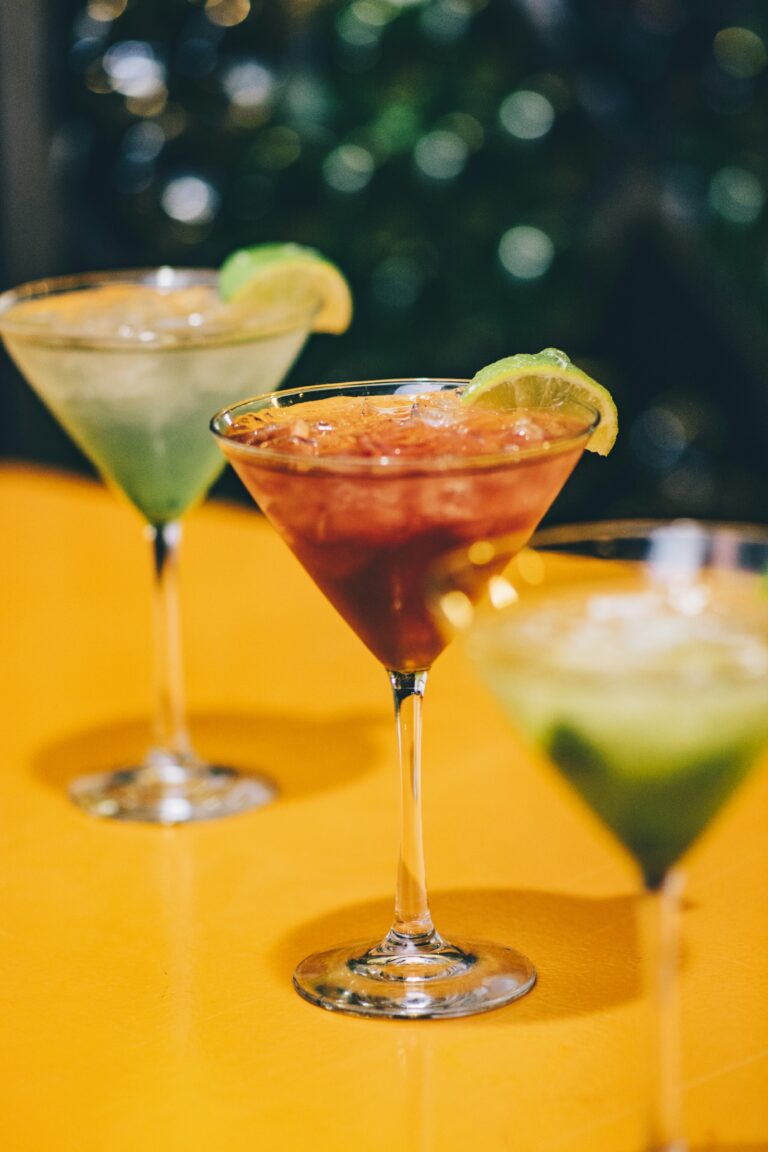
This demand for complexity extends beyond the solid menu and is bleeding heavily into functional beverages. The era of the simple fountain soda is waning, replaced by low-sugar, botanically infused sparkling teas and savory, herb-forward mocktails. For the franchise operator, the mandate is intimidating but creatively thrilling: you must provide the operational speed of a traditional drive-thru while delivering the complex, multi-layered culinary experience of a high-end urban pop-up. The brands that master this delicate balance of speed and sensory thrill will command absolute loyalty in 2026.