The fast-casual burger sector is historically terrified of isolating the mainstream palate. However, as Q3 2026 unfolds, Shake Shack is proving that the modern consumer’s tolerance for complex, aggressively seasoned flavor profiles has never been higher. The brand’s recent menu architecture—specifically its heavy leaning into the ‘sweet-heat’ paradigm—is a masterclass in calculated culinary risk. By blending traditional American cookout aesthetics with intense, global flavor notes like gochujang glazes and cayenne-dusted fries, Shake Shack is effectively forcing the entire category to elevate its seasoning game.
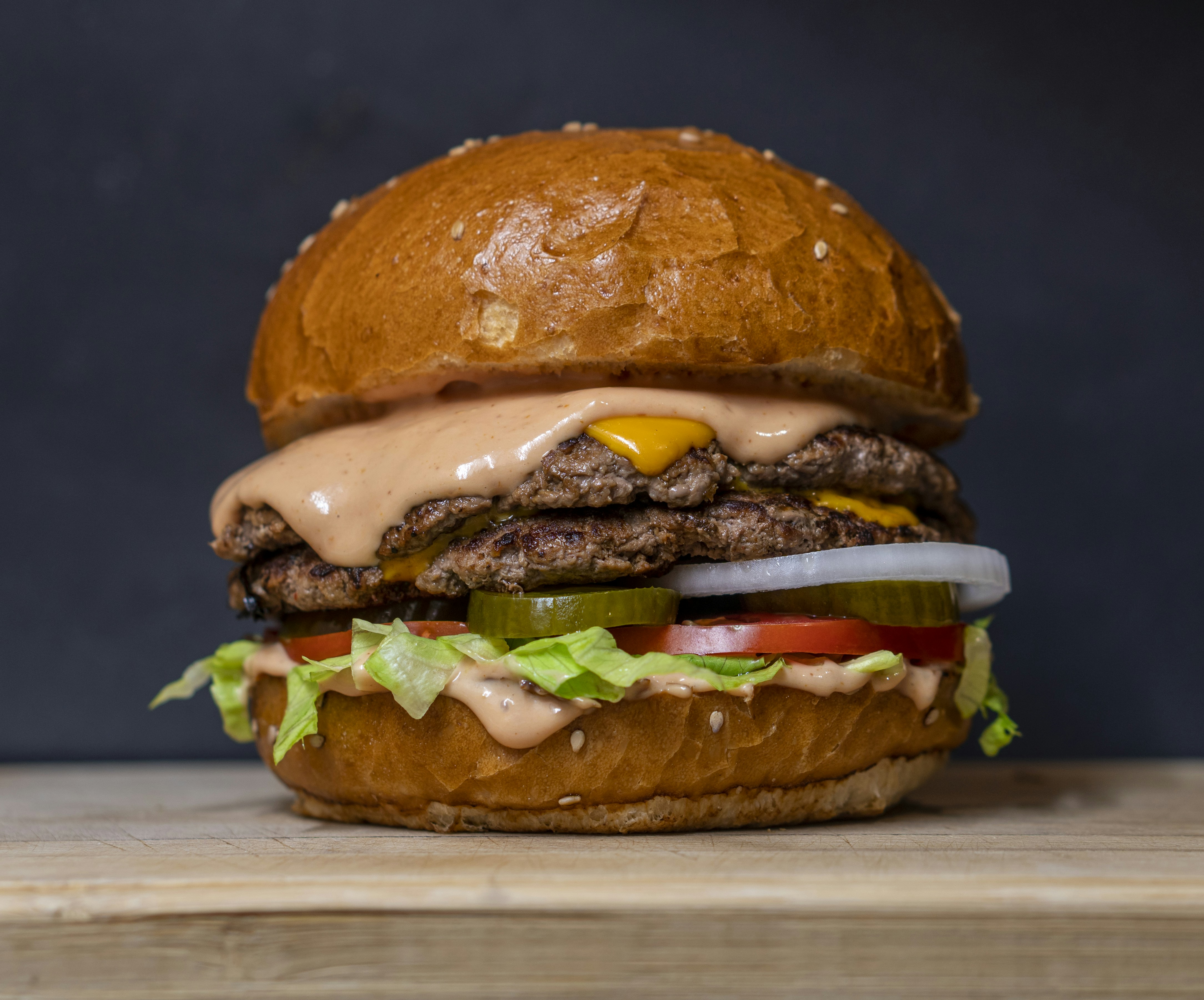
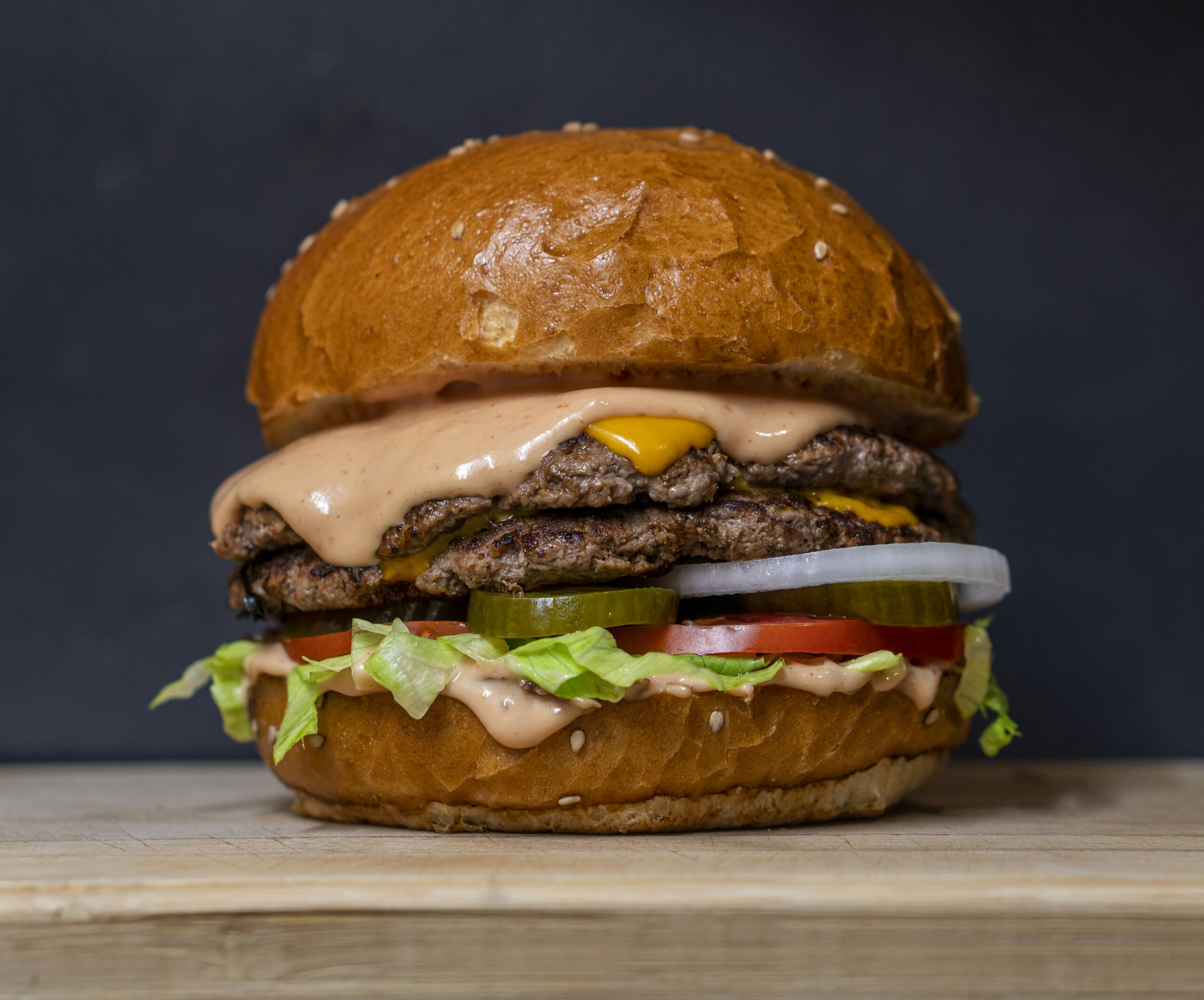
The financial strategy behind this menu engineering is brilliant in its simplicity. High-impact flavor profiles directly justify premium pricing. A customer might balk at an $11 standard cheeseburger, but that same customer will happily pay a premium for the ‘Heritage Tteokgalbi Shack’ or a ‘Smoky BBQ Baby Back Rib Sandwich’ because the perceived culinary value is exponentially higher. Shake Shack understands that in a market saturated with cheap value meals, the only way to protect check averages is to offer a multi-sensory experience that fundamentally cannot be replicated at a drive-thru window.
“The ‘sweet-heat’ trend is no longer a fringe culinary experiment; it is the absolute baseline expectation for Gen Z and Millennial diners in 2026,” explains Chef Sarah Lin, a prominent food-trend forecaster. “Shake Shack’s brilliance isn’t just putting spicy caramel in a milkshake. It’s the textural contrast. When you pair the intense heat of a kimchi-spiced fry with the cold, dairy-heavy sweetness of a passionfruit boba shake, you trigger a physiological response that drives immediate craveability. They are engineering addiction through contrast.”
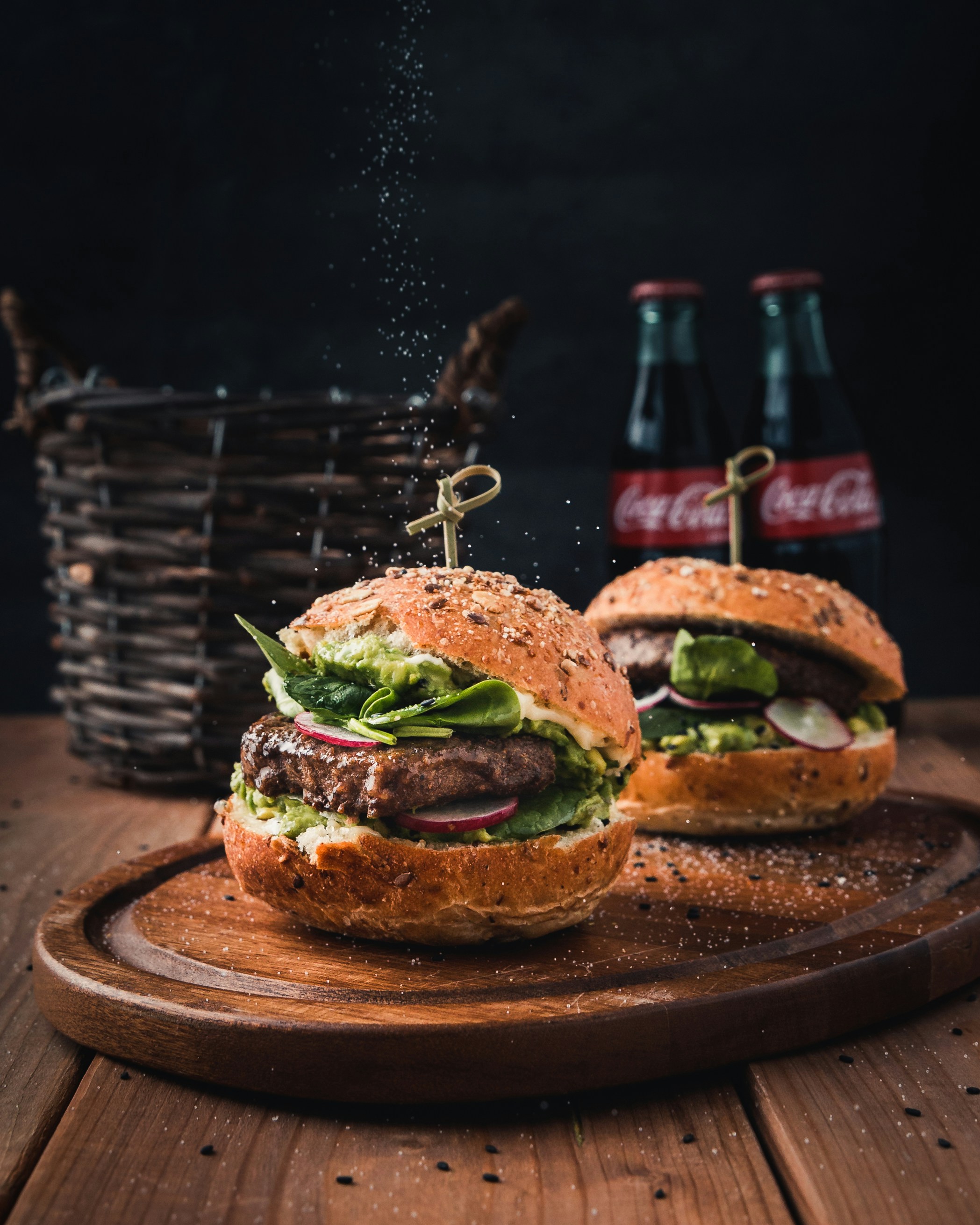
As competitors rush to reverse-engineer these flavor profiles, B2B operators must recognize the underlying shift in consumer psychology. The 2026 diner is bored. They do not want another slight variation of a bacon cheeseburger. They are demanding extreme textural elements—think toasted kataifi, popping boba, and hand-deboned ribs—paired with unapologetic heat. To survive the current macro environment, franchises must stop competing on price and start competing on pure, unadulterated flavor.