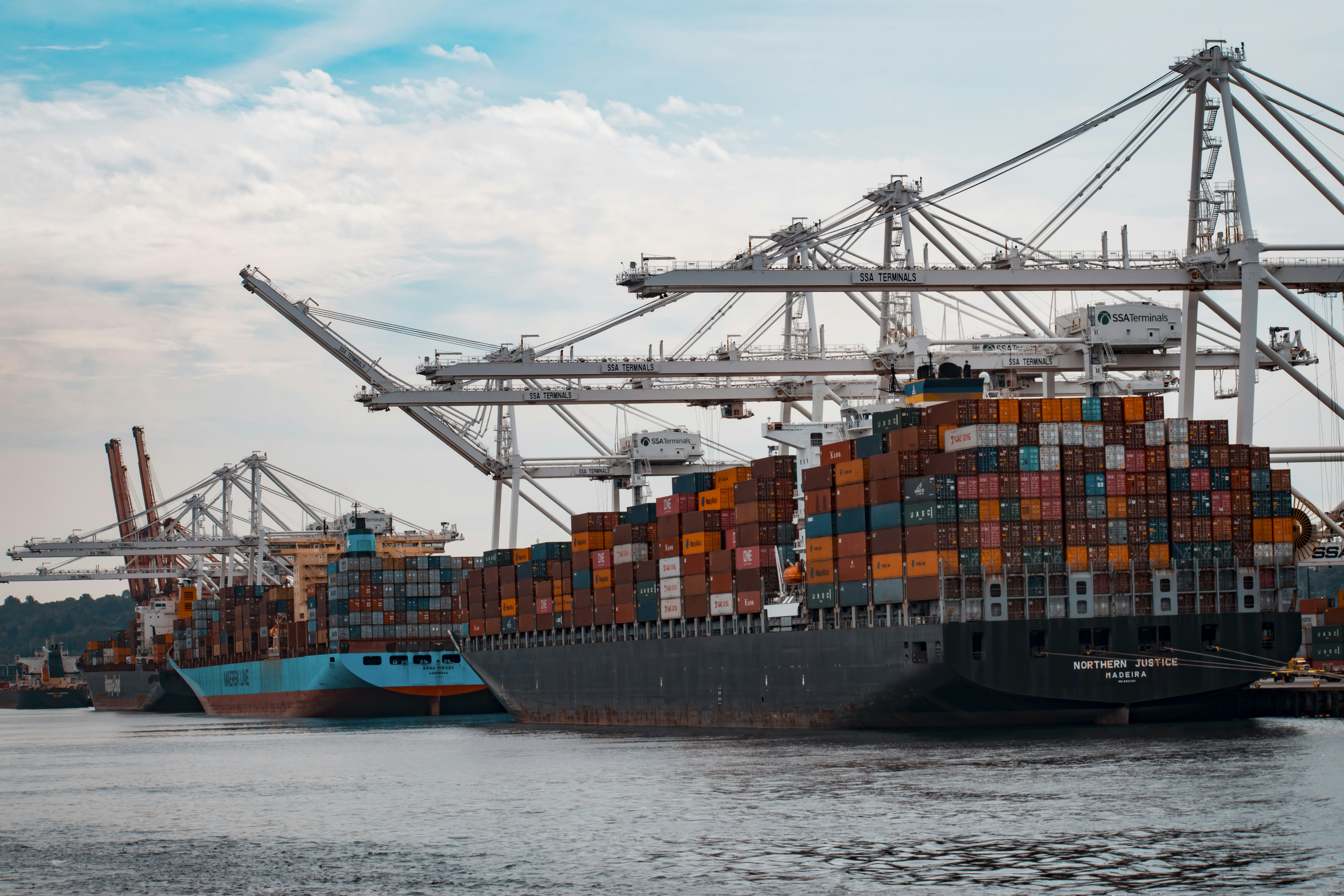
Operating a hyper-aggressive global expansion strategy requires a flawless, frictionless supply chain. When geopolitical instability shatters that frictionless model, the financial fallout is brutal and immediate. Jollibee Foods Corporation (JFC), the reigning giant of Asian fast food, is currently learning this lesson the hard way. Early 2026 financial disclosures reveal a staggering near-40% decline in net income, driven almost entirely by an 11.7% explosion in direct input costs. This isn’t a failure of consumer demand; it is a direct consequence of escalating conflicts in the Middle East severely fracturing global shipping routes and spiking logistical overhead.

The vulnerability of the ‘capital-light’ franchise model is exposed when raw material transit becomes unpredictable. Jollibee relies on a massive, interconnected web of international suppliers to maintain uniform quality across its 10,000+ global stores. When maritime chokepoints in the Red Sea and surrounding regions force shipping conglomerates to reroute cargo, transit times double, and fuel surcharges evaporate restaurant-level margins overnight. In response, JFC has been forced to trigger an emergency $45 million cost-containment program, rapidly deferring capital expenditures and initiating measured menu price hikes just to stabilize the bleeding.
“You cannot build a localized, protected supply chain overnight,” notes Aaron Li, an Asia-Pacific logistics consultant. “Jollibee’s ambition to aggressively expand into North America and China requires incredibly tight margins. Right now, they are paying a severe geopolitical premium on every container of ingredients shipped. The delay in their highly anticipated international IPO spin-off is a direct acknowledgment that institutional investors will not back a global expansion play until these specific logistical vulnerabilities are patched.”

For B2B operators observing from the sidelines, Jollibee’s Q3 2026 maneuvering is a stark warning. Sourcing strategy is no longer just a procurement function; it is a primary geopolitical risk vector. JFC’s scramble to enforce a globally governed Food Safety and Quality framework while simultaneously slashing operational overhead highlights the massive tightrope required to scale internationally. If the Middle Eastern logistical corridors do not stabilize, even the most beloved consumer brands will be forced to entirely re-evaluate their cross-border supply dependencies.