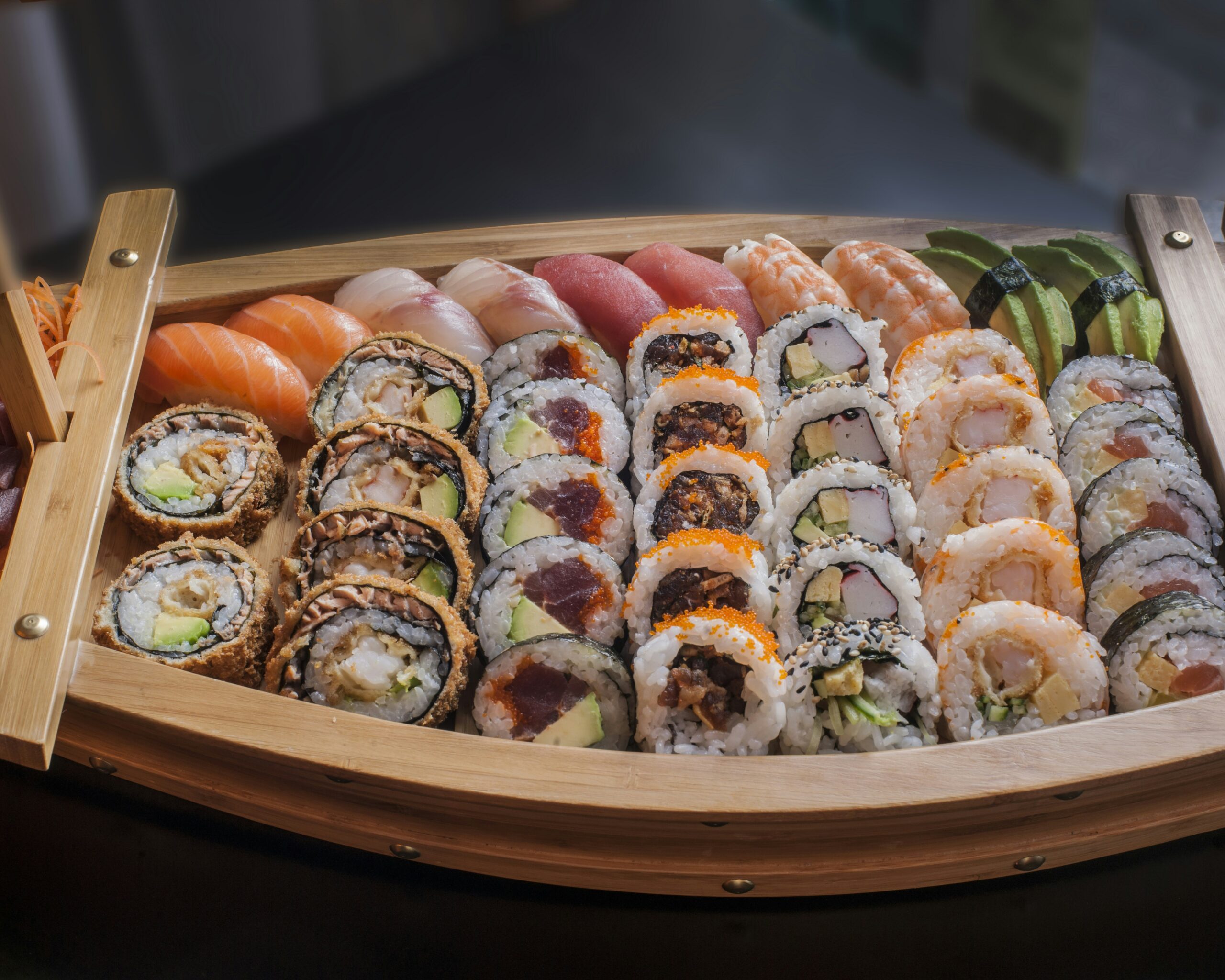
As the U.S. restaurant industry wrestles with declining foot traffic and macroeconomic fatigue in Q3 2026, one specific import is fundamentally rewriting the psychology of dining out. Kura Sushi is currently executing an aggressive 20% annual unit growth strategy across North America, rapidly scaling toward a 300-store footprint. Their success is not predicated on selling premium sashimi; it is built on the masterful execution of ‘eatertainment.’ By gamifying the dining experience, Kura Sushi has transformed a standard meal into a highly engaging, low-stakes casino for the dopamine-starved modern consumer.
The psychological anchor of the Kura brand is the ‘Bikkura Pon’ prize system. Diners deposit empty plates into tableside slots, which triggers interactive animations on digital screens and, at specific plate thresholds, dispenses capsule toys. This mechanic expertly leverages variable ratio reinforcement—the exact psychological trigger used in slot machines. Consumers are no longer eating until they are full; they are eating to trigger the next animation or win the next prize. This artificial inflation of the average ticket size is how Kura Sushi maintains profitability even while absorbing elevated stateside operating costs.
“The American diner in 2026 is highly resistant to traditional restaurant upselling, but they will willingly spend an extra $15 on sushi they don’t necessarily want if it means unlocking a limited-edition Nintendo or Jujutsu Kaisen capsule toy,” notes Dr. Aris Thorne, a consumer behavior analyst specializing in retail gamification. “Kura Sushi is not competing with other sushi restaurants. They are competing with movie theaters, arcades, and streaming services for a share of the consumer’s experiential entertainment budget. Their IP collaborations turn a casual lunch into an event-driven destination.”

For competing foodservice brands, Kura’s expansion is a stark warning that high-quality food is no longer sufficient to guarantee market share. The brand is rushing to dominate the U.S. ‘eatertainment’ category before heavyweights like Sushiro can establish a foothold. To capture the Gen Z and Millennial demographic, brands must engineer an environment that delivers continuous micro-rewards and sensory stimulation, proving that in the modern era, the experience is the actual product.