For the past two years, the FoodTech ecosystem has been obsessed with Chipotle’s venture capital investments in physical cobotics, specifically the ‘Autocado’ processing unit and the Vebu ‘Augmented Make Line’. However, as we move through 2026, the brand has executed a brilliant, agile pivot. Recognizing the inherent friction and slow deployment cycles of scaling heavy hardware, Chipotle is currently aggressively deploying a highly scalable, software-driven ecosystem to optimize throughput. The true catalyst for their 2026 operational sprint isn’t a robotic arm; it’s the ‘Chipotle Kitchen’ visual OS.
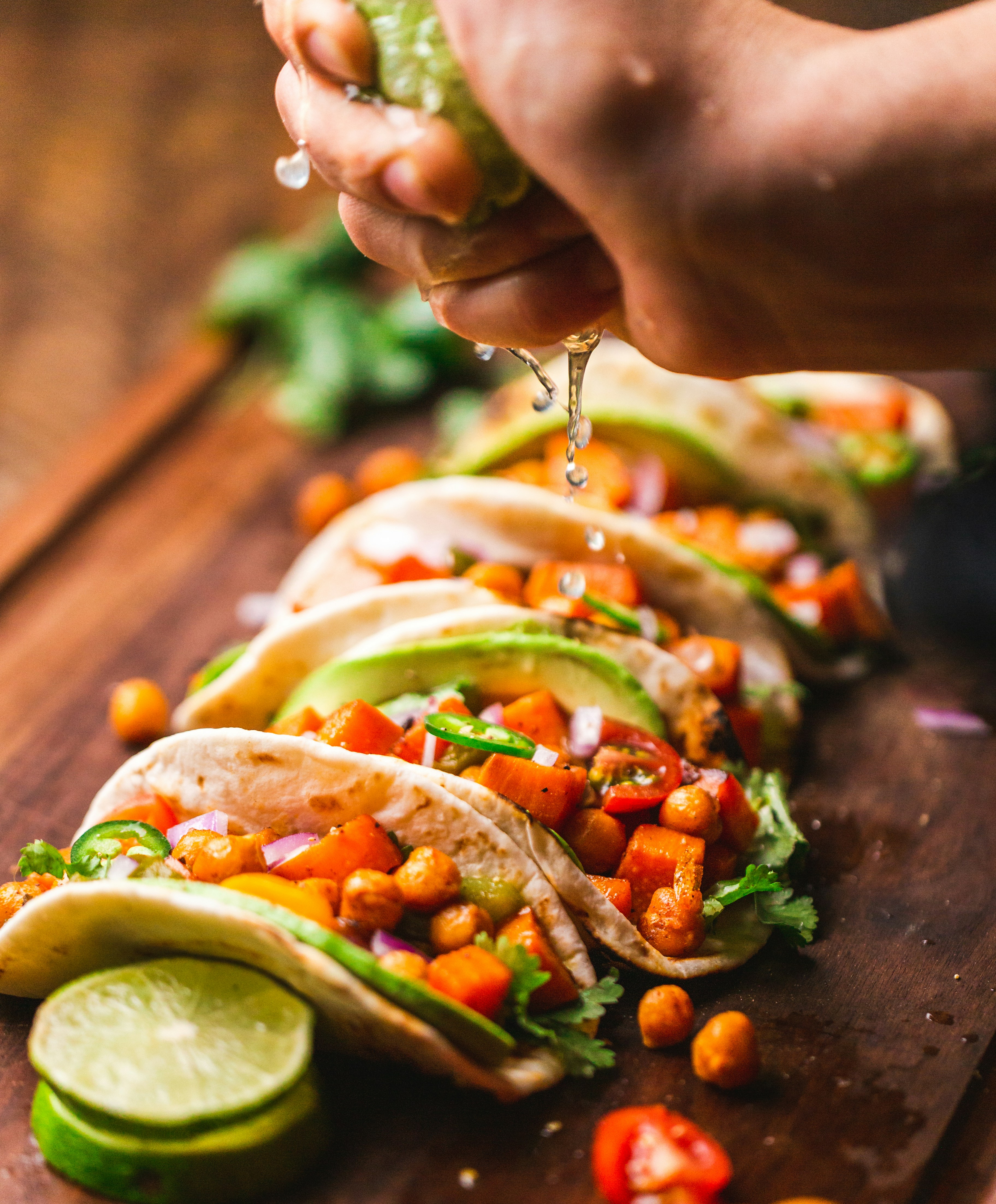
The ‘Chipotle Kitchen’ rollout is a masterclass in UI/UX design applied to physical restaurant operations. By transitioning from traditional analog tickets to an intuitive, visual cue-based digital makeline system, Chipotle has drastically reduced cognitive load on its crew members. This software solution—already active in hundreds of test units and slated for chain-wide deployment by year-end—achieves the same core objective as a hardware robot (improved speed and order accuracy) but at a fraction of the CapEx and deployment friction. Concurrently, they are rolling out ‘Ava Cado’, a proprietary AI copilot that assists restaurant managers with predictive labor scheduling and real-time inventory forecasting.
“Chipotle is demonstrating a very mature tech-stack evolution,” explains Brian Chen, a Silicon Valley restaurant technology founder. “They didn’t abandon their robotics pilots, but they realized they needed an immediate, highly scalable software fix to support their digital sales momentum. The ‘Chipotle Kitchen’ OS is a frictionless deployment that immediately upgrades their human hardware (the crew) while the physical robotics incubate in the background.”
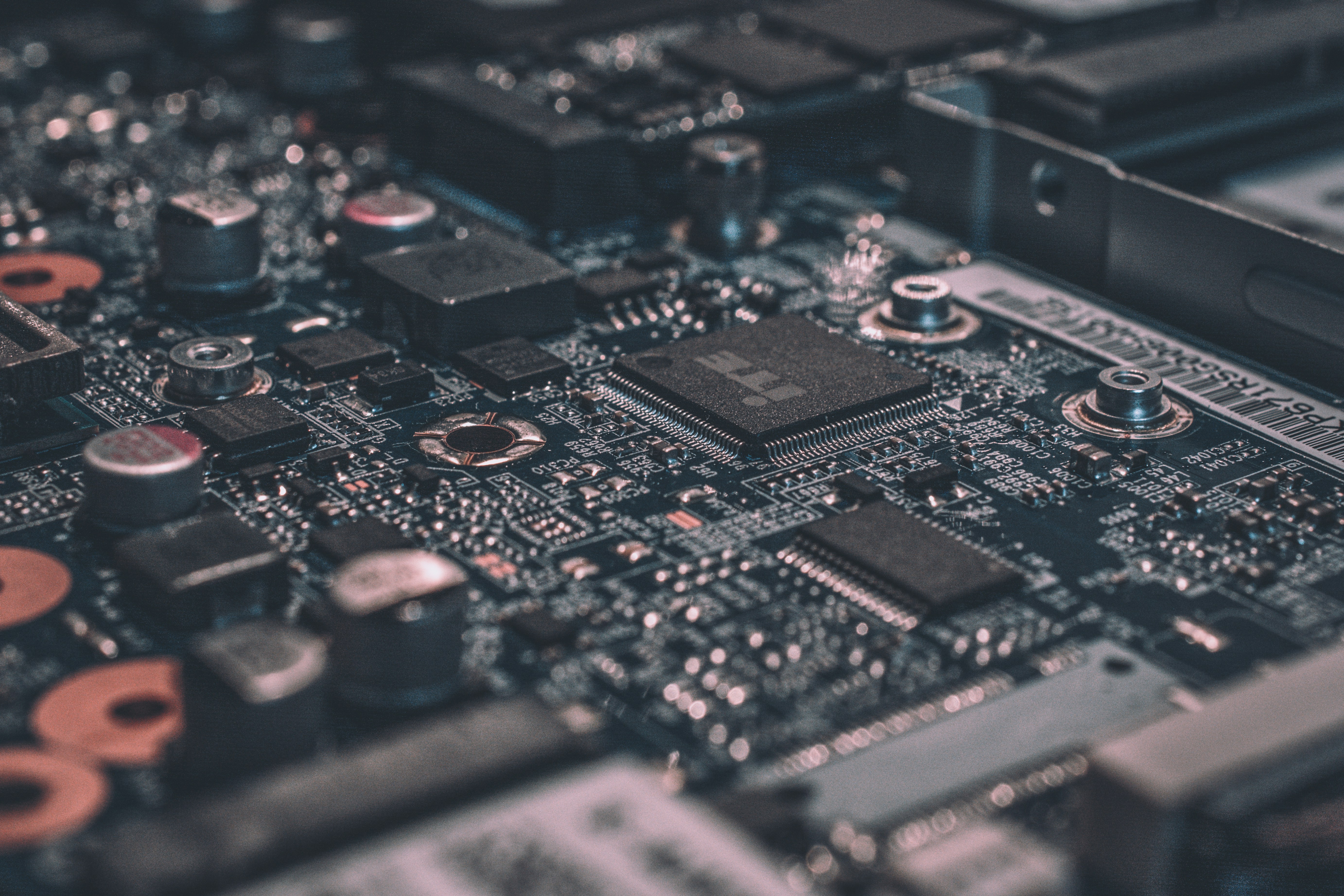
As the industry eagerly awaits Chipotle’s late-July earnings call, the narrative is clear: the future of QSR automation isn’t exclusively about replacing human hands with metal ones. It’s about utilizing brilliant, lightweight software interfaces to supercharge the human crew.