In the contemporary restaurant equity market, few assets have commanded as much institutional debate as Cava Group (NYSE: CAVA). As of early July 2026, following a broader ‘risk-off’ market contraction, Cava shares experienced a nominal 6.5% pullback, settling near $71.18. Despite this volatility (characterized by a high beta of 1.69), the fundamental valuation paradigm remains staggering: the stock is currently trading at a stratospheric 118x to 145x forward earnings multiple. For traditional retail analysts, this premium appears dangerously speculative. However, a deeper examination of their Q1/Q2 unit-level economics reveals exactly why institutional capital remains aggressively long on the Mediterranean fast-casual leader.

The foundational metric supporting Cava’s market capitalization is its restaurant-level profit margin, which reported an exceptional 25.1% in the first quarter of 2026, alongside a 9.7% increase in same-restaurant sales. More critically, unlike many competitors masking traffic erosion through price inflation, Cava’s growth is inherently organic, driven by a highly enviable 6.8% increase in pure foot traffic. The company is successfully executing an aggressive footprint expansion—targeting 75 to 77 net new units in 2026—while simultaneously expanding its EBITDA guidance to the $181 million to $191 million range.
“What institutional investors are underwriting with CAVA is not the current earnings yield, but the inevitable category dominance,” explains a senior portfolio manager at a New York-based capital group. “They are executing the ‘Chipotle Playbook’ with near-perfect precision in a category (Mediterranean) that possesses immense secular tailwinds and virtually zero scaled national competition. The 118x multiple is a forward-looking premium on their ability to stamp out high-Auv, 25% margin boxes across the American suburbs.”
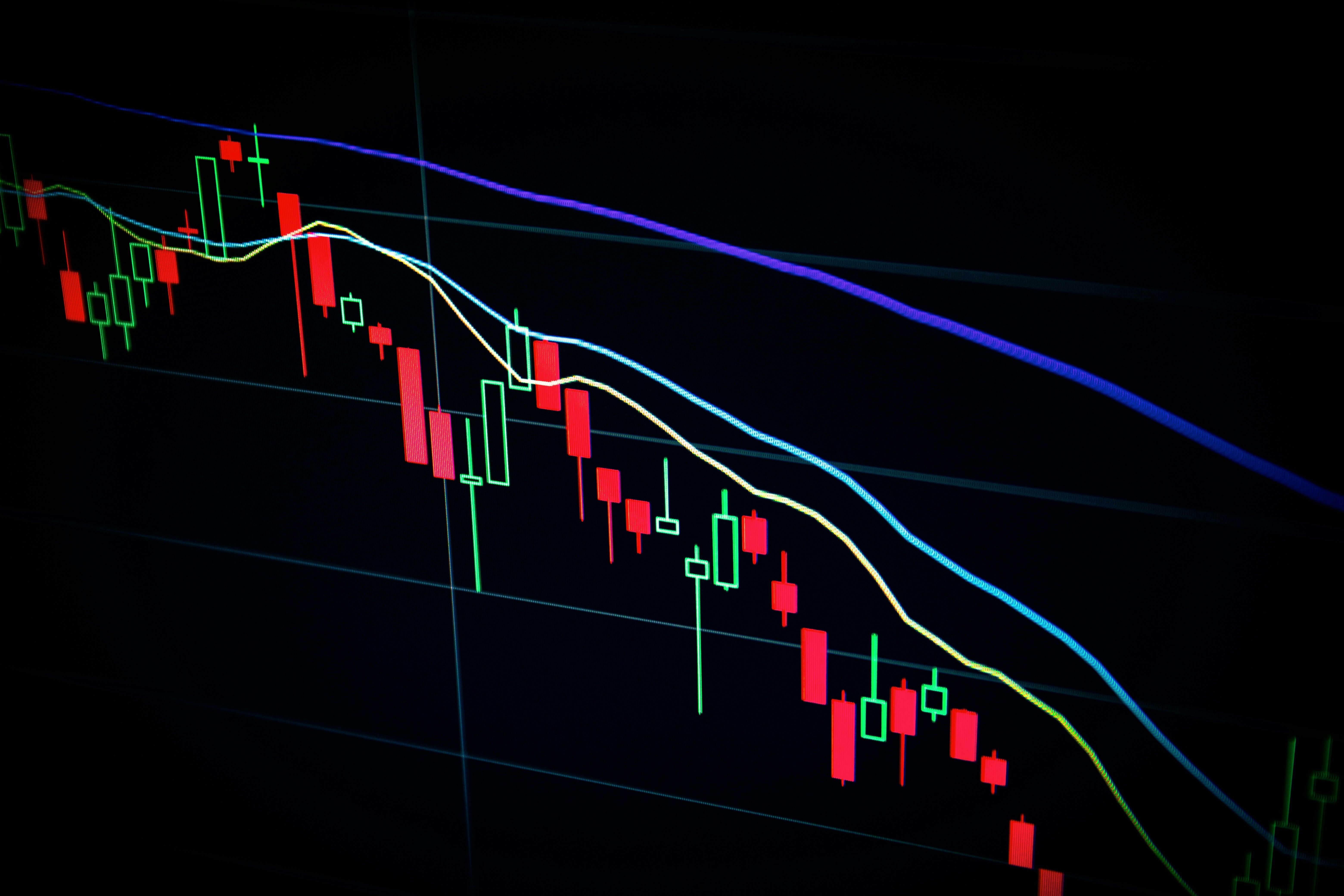
As the market awaits Cava’s Q2 earnings report scheduled for August 11, 2026, the primary risk vector is execution density. If management can maintain these robust margins while scaling the unit count at a 15%+ clip, the current astronomical valuation may ultimately be viewed in retrospect as a rational growth-stage discount.