By mid-2026, the geopolitical balance of power within the global coffee sector has fundamentally shifted. Luckin Coffee recently eclipsed 35,000 stores worldwide, transforming what was once considered a domestic Chinese phenomenon into a highly aggressive, tech-driven juggernaut actively dismantling competitor market share across Southeast Asia. The narrative surrounding Luckin is no longer about simple discounting; it is a clinical study in how proprietary digital infrastructure and ruthless supply chain verticalization can weaponize scalability.
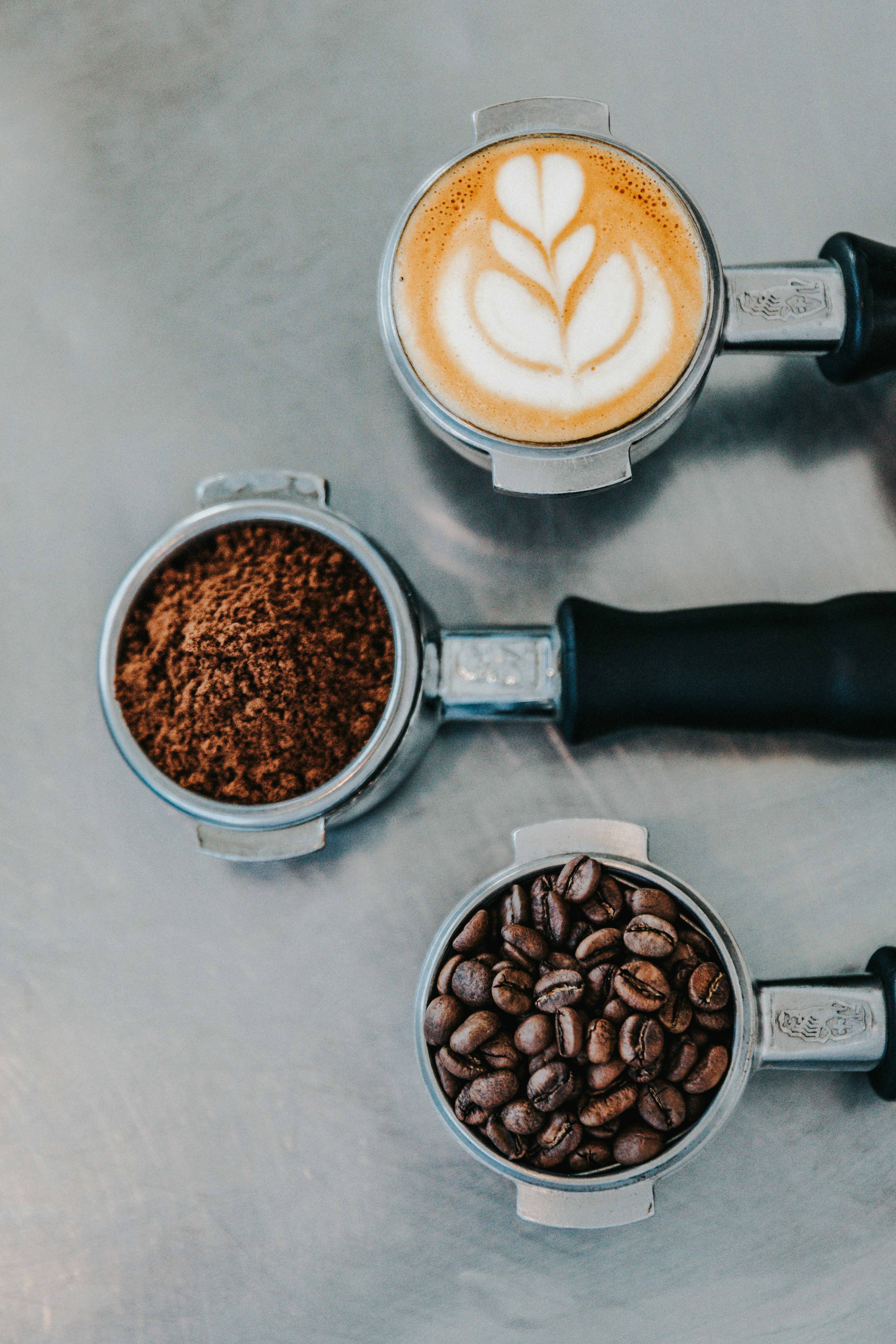
To understand Luckin’s explosive push outward from its Singaporean regional headquarters, one must look at its back-end infrastructure. The company has heavily fortified its physical supply chain, establishing massive green coffee bean processing facilities in Yunnan and a network of high-tech roasting centers strategically positioned to feed regional distribution nodes. But the physical assets are merely the hardware; the true competitive moat is the ‘New Retail’ software architecture. Luckin operates entirely on a cashier-less, app-first model. This proprietary digital ecosystem allows headquarters to execute real-time, global resource allocation and dynamic pricing algorithms based on hyper-local data scraping, entirely bypassing the sluggish bureaucratic layers of traditional Western competitors.
“What we are witnessing in the Southeast Asian beverage market is the obsolescence of intuition-based operations,” argues supply chain strategist Marcus Vance in a recent July brief. “Luckin isn’t expanding a coffee brand; they are deploying a highly systemized data network. Because their supply chain is so tightly integrated with consumer app data, they can forecast raw material burn rates across thousands of international stores with terrifying accuracy. They have engineered the logistical friction completely out of the system.”
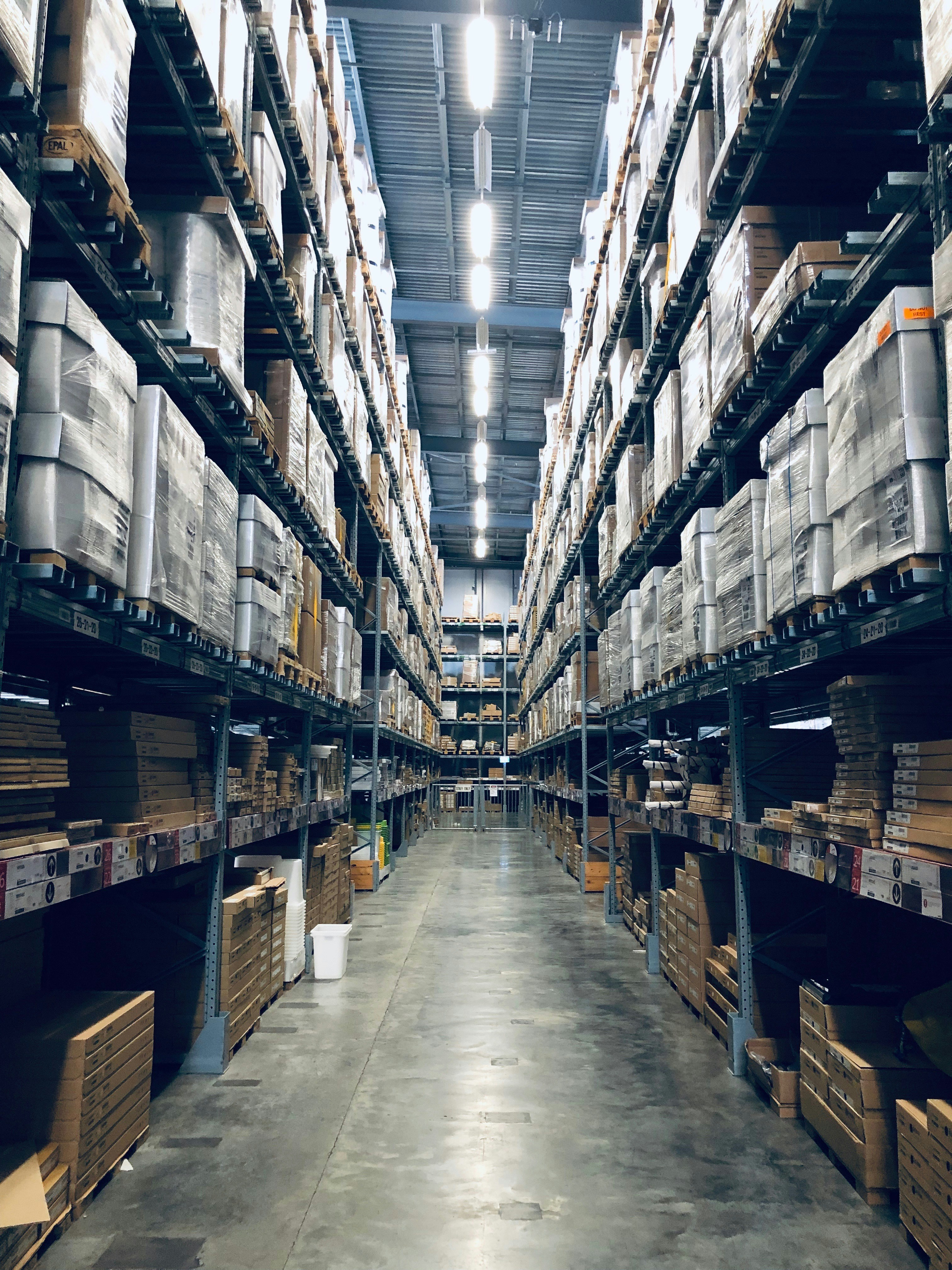
For legacy brands operating in Asia, Luckin’s 2026 milestone is a stark warning. The battle for the regional consumer is no longer being fought on the merits of brand heritage or comfortable seating. It is a pure technology war, dictated by who controls the most efficient algorithmic supply chain.