As the broader fast-casual sector braces for a turbulent reporting season marred by negative foot traffic and margin compression, institutional capital is aggressively positioning around Wingstop (NASDAQ: WING) ahead of its Q2 2026 earnings call on July 29th. While legacy dine-in concepts bleed revenue to inflation-weary consumers, Wingstop presents a highly insulated financial model. Current consensus estimates project Q2 revenue to reach approximately $191 million with an EPS of $1.02, metrics driven not by unpredictable dining room volume, but by surgical, algorithmically managed digital throughput.
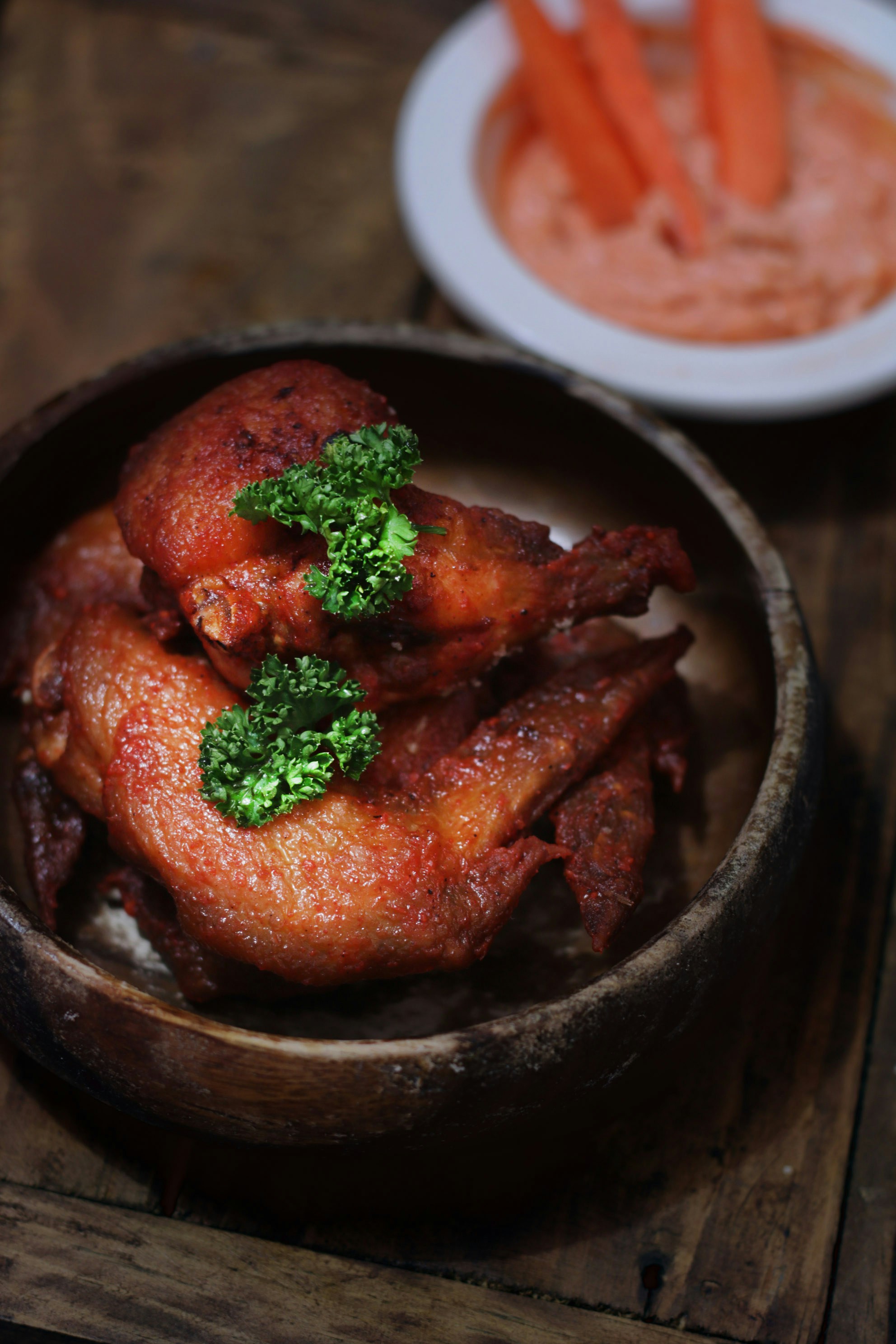
The financial arithmetic protecting Wingstop’s bottom line is rooted in its heavy off-premise mix. The brand functions less like a traditional restaurant and more like a high-velocity logistics hub. A critical focal point for Q2 will be the continued deployment of their ‘Smart Kitchen’ initiative. By algorithmically pacing ticket times and optimizing fryer yields, the company is actively suppressing labor and waste costs as a percentage of gross sales, effectively defending franchisee margins against sticky macroeconomic inflation.
“Wingstop is trading at a premium because they have successfully decoupled their revenue from the physical dining room,” notes Sarah Jenkins, a retail equities analyst. “They operate incredibly lean boxes. When you pair their heavy digital sales mix with the impending national rollout of the ‘Club Wingstop’ loyalty program, you create a self-sustaining loop of first-party data that lowers customer acquisition costs (CAC) while driving frequency. In 2026, the market isn’t rewarding traffic; it’s rewarding digital margin leverage.”

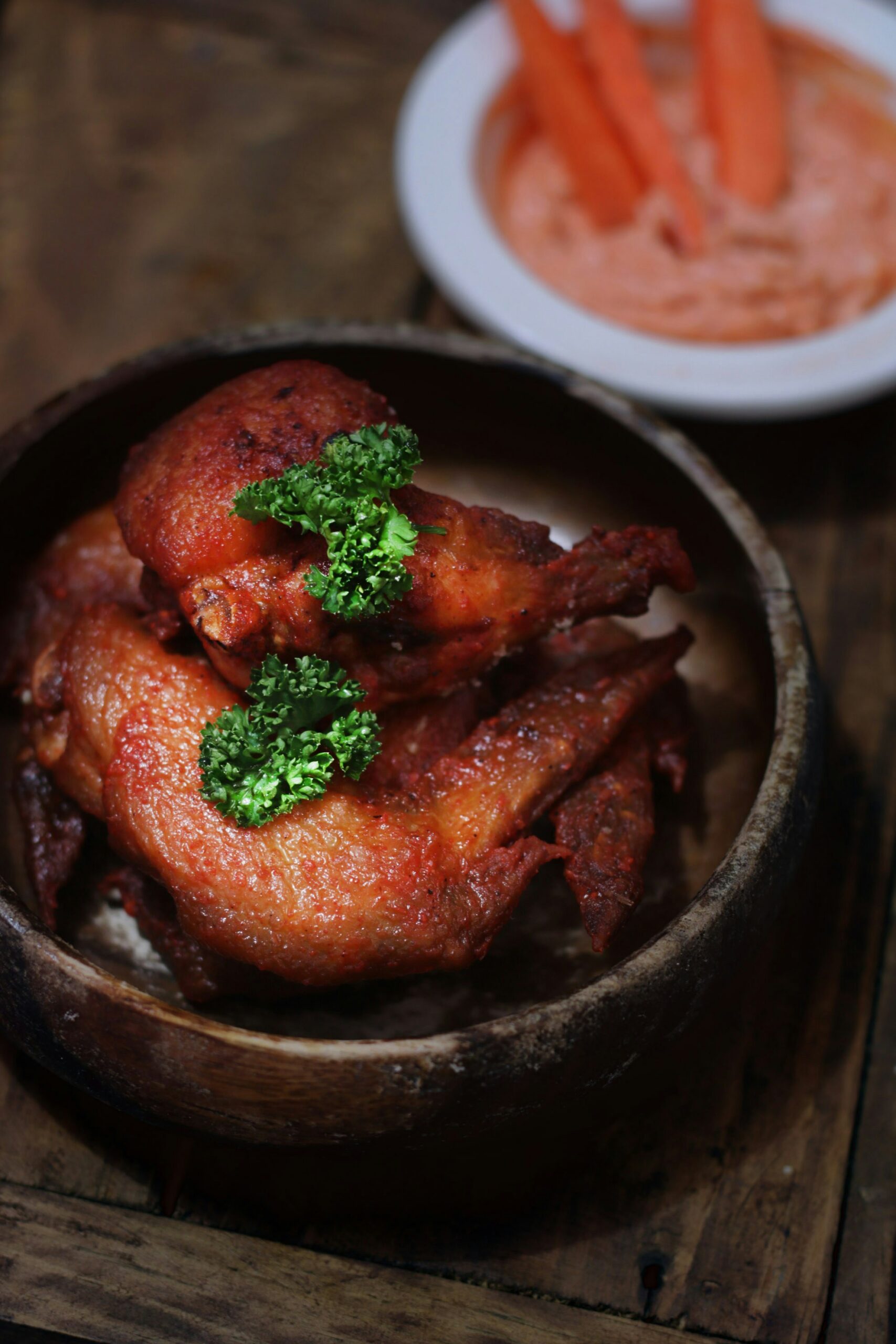
Furthermore, analysts will be scrutinizing the company’s supply chain commentary regarding bone-in wing prices. Wingstop’s ability to utilize its immense purchasing power to stabilize food costs will be the final variable determining if they can execute a Q2 beat. In a deflated consumer environment, operational discipline is the only reliable generator of alpha.