The era of unchecked, easy expansion for Western fast-food giants in China is definitively over. As we analyze the Q3 2026 landscape, the market has rapidly transitioned from an aggressive growth phase into a zero-sum ‘stock game.’ Brands like McDonald’s, despite operating over 7,700 locations domestically, are facing an unprecedented psychological and economic challenge from a new breed of hyper-local competitors. The primary threat isn’t just price; it’s a profound shift in consumer identity driven by the ‘guochao’ (national trend) movement.
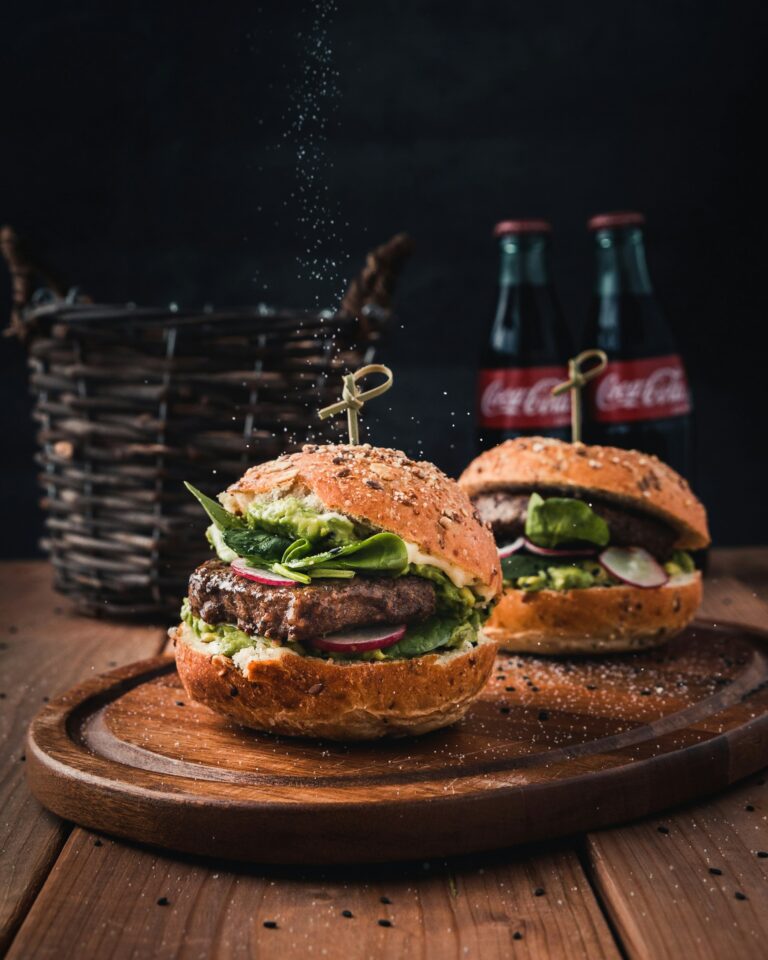
Incumbents are actively losing ground in lower-tier cities to aggressive local chains like Tastien. These domestic brands are weaponizing national pride by serving Chinese-style burgers—featuring Peking duck or mapo tofu inside hand-rolled buns—at a 30% to 40% discount compared to a Big Mac. Tastien has successfully positioned itself not as a cheap knockoff, but as an authentic expression of modern Chinese youth culture. For a younger demographic that views domestic brands as inherently equal, if not superior, to Western imports, the golden arches are rapidly losing their aspirational premium.
“The psychological moat that Western brands relied on in the 2000s has completely evaporated,” states Mei Lin, a retail brand strategist based in Shanghai. “You cannot simply sell ‘Americana’ to a consumer base that is fiercely proud of its own cultural renaissance. To compete with the guochao brands, McDonald’s is having to fundamentally re-architect its brand identity, leaning heavily into localized menus and regional supply chains to prove they actually belong in the modern Chinese cultural fabric.”
The response from Western operators involves massive capital expenditure into rural supply chains and hyper-localized marketing campaigns. However, the core challenge remains psychological: how does a legacy multinational brand authentically convince a highly nationalistic consumer base that it isn’t just there to extract capital?