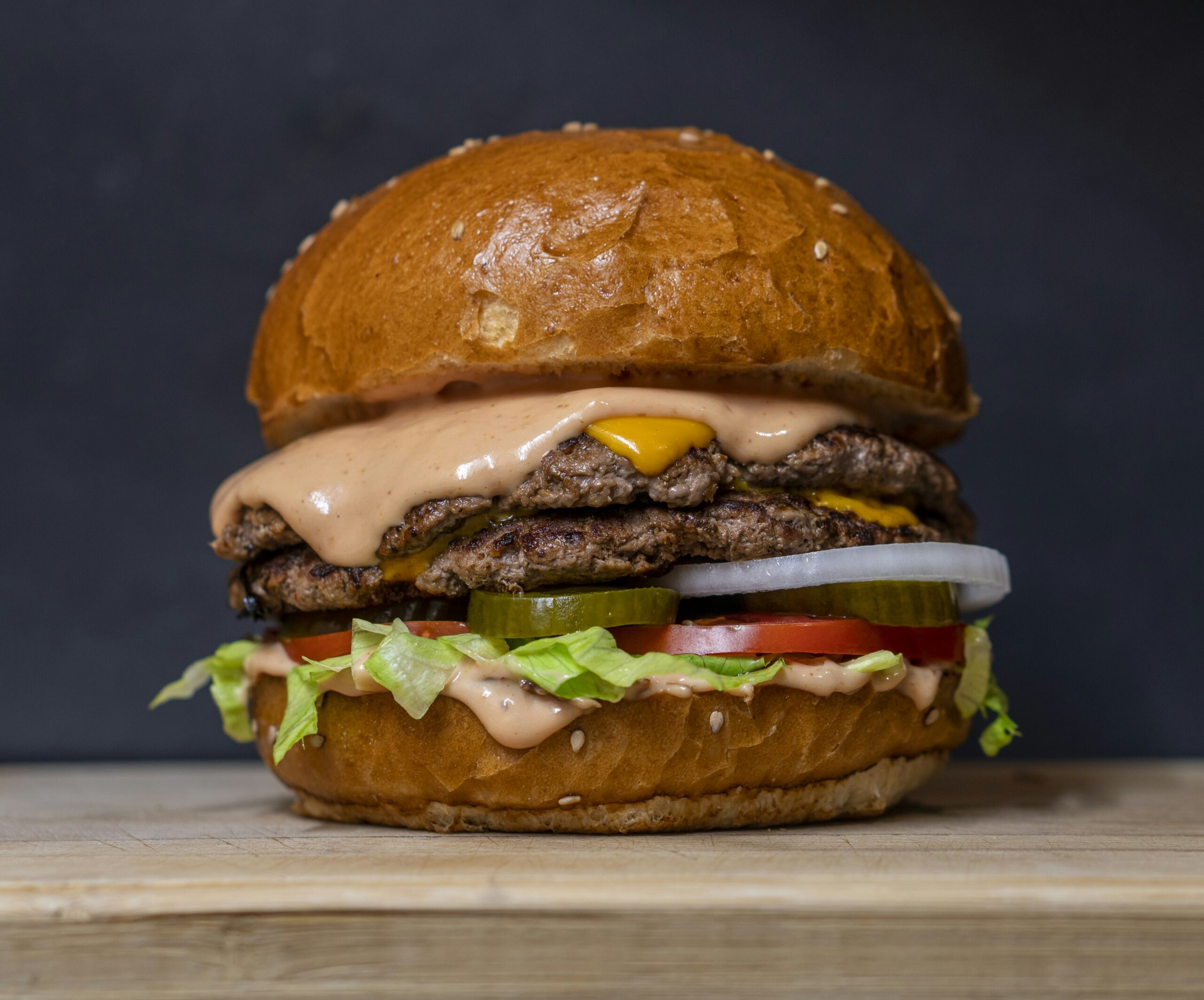
The American palate has fundamentally fractured, and the era of the generic, homogenous buffalo sauce is over. As we survey the 2026 fast-food landscape, the initial fascination with ‘swicy’ (sweet and spicy) hot honey has matured into a demand for hyper-regional, deeply complex global heat. We are witnessing the rise of ‘Borderless Cuisine’ in the drive-thru, where legacy brands are frantically overhauling their condiment stations to satisfy a Gen Z consumer base that demands highly textured, fermented flavor profiles.
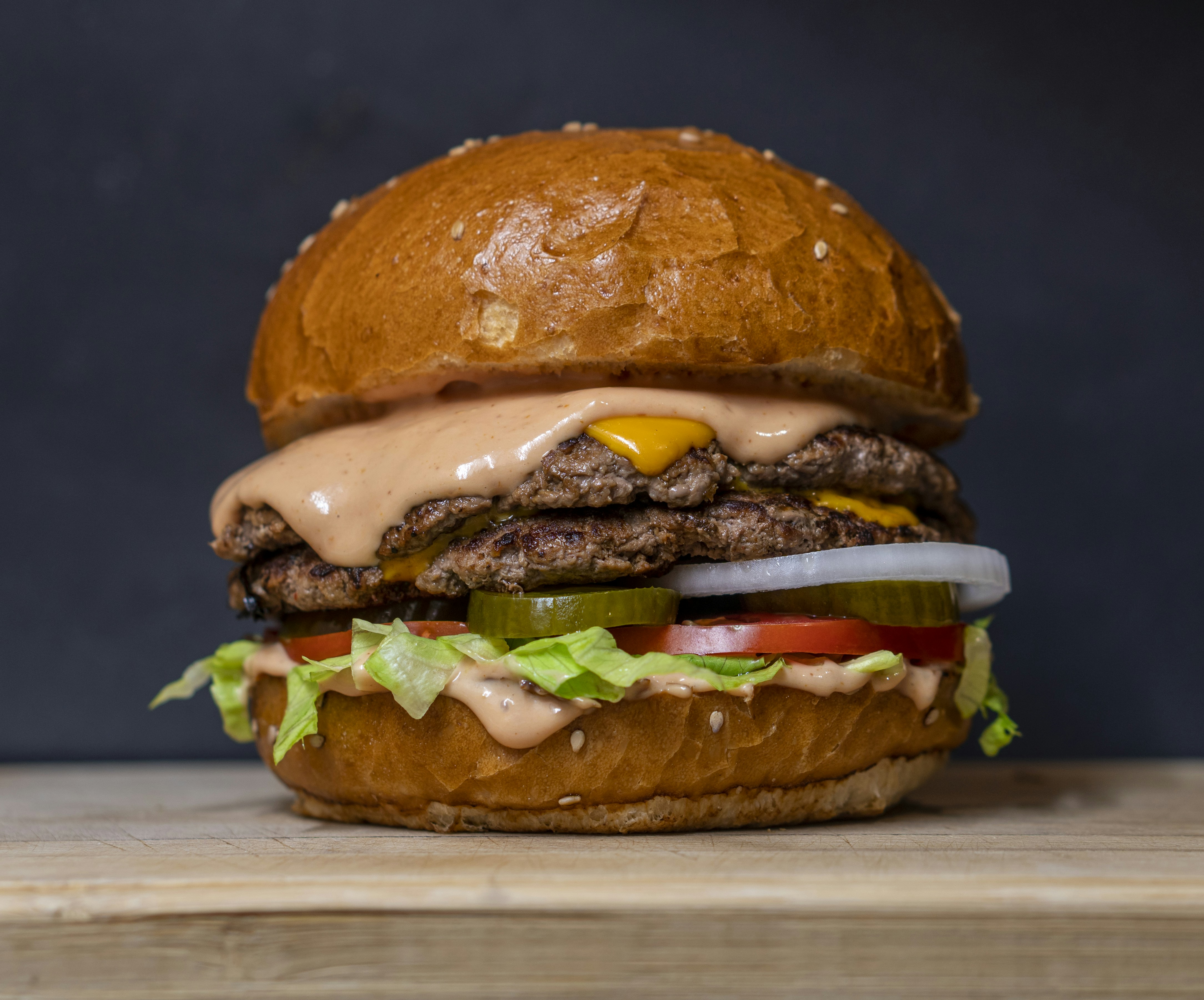
Shake Shack has been a notable pioneer in this space, effectively using its international footprint as an R&D lab for domestic menus. By introducing items like the Salsa Macha Burger—featuring the deeply roasted, nutty, and smoky heat of the classic Mexican chili oil—they are elevating the fast-casual burger experience from simple fast food to culinary exploration. Similarly, the pervasive integration of Gochujang (Korean fermented chili paste) across various chicken concepts proves that consumers are no longer satisfied with simple Scoville units; they want the deep umami and slight sweetness that only fermentation can provide.
“The modern consumer views flavor as a form of cultural currency,” notes culinary forecaster Julian Rossi. “When a brand incorporates a legitimate salsa macha or a balanced gochujang glaze, they are signaling authenticity. You cannot simply mix cayenne pepper into corn syrup anymore. The expectation in 2026 is that a fast-food chicken sandwich should offer the same layered, aromatic heat as a dish from a trending urban food truck.”

This shift toward aggressive, culturally specific flavors is not a fleeting limited-time offer; it is the new baseline. To remain relevant, quick-service restaurants must continuously adapt their flavor profiles to be as dynamic and diverse as the digital feeds of their customers.