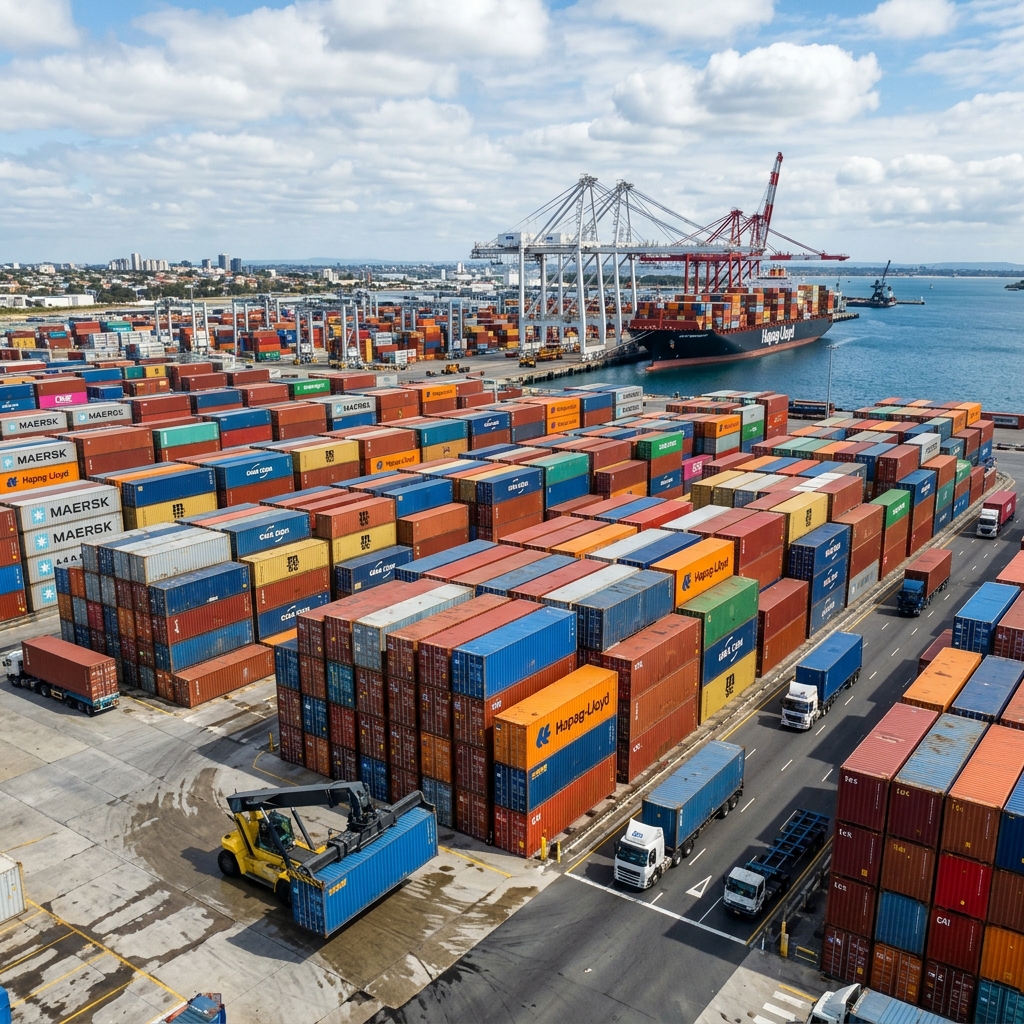
The global supply chain that quietly built the American fast-food boom has been decisively severed. As we enter the second half of 2026, quick-service restaurant (QSR) expansion targets are colliding violently with geopolitical realities. Stacked U.S. tariffs on Chinese imports continue to push effective duties on commercial kitchen equipment well past 30%. Furthermore, Mexico’s aggressive 2026 tariff hikes on non-FTA imports have effectively slammed the door on Chinese manufacturers attempting to use the country as a cheap pass-through. The result is a critical bottleneck: the cost to procure smart fryers, IoT inventory sensors, and basic stainless steel infrastructure has skyrocketed.

This isn’t merely an academic trade dispute; it’s halting real estate development. Major US franchises are frantically executing ‘nearshoring’ strategies, attempting to drag their entire equipment tech stacks from Shenzhen to manufacturing hubs in Monterrey and Querétaro. The logistical math is brutal but necessary: executives are willingly trading the pain of establishing entirely new, compliance-heavy supply chains in Mexico for the guarantee of 2-day overland transit and insulation from Pacific trade friction.
“We are currently tearing up development timelines across the board,” explains Marcus Lin, VP of Global Procurement for a top-ten US franchise group. “You cannot open a hyper-automated drive-thru if the automated fryers are stuck behind a 35% tariff wall and the IoT hardware is flagged in a forced-labor investigation. We are aggressively vetting facilities in Nuevo León right now. The era of frictionless, single-source procurement from Asia is dead; if your equipment isn’t USMCA-compliant, your rollout strategy is completely unviable.”

The immediate implication for the foodservice industry is massive capital expenditure reallocation. Brands that successfully navigate the nearshoring friction and secure priority manufacturing slots in Mexico will achieve an insurmountable speed-to-market advantage, while those still clinging to legacy Asian supply chains will face stagnant growth and spiraling unit build-out costs.