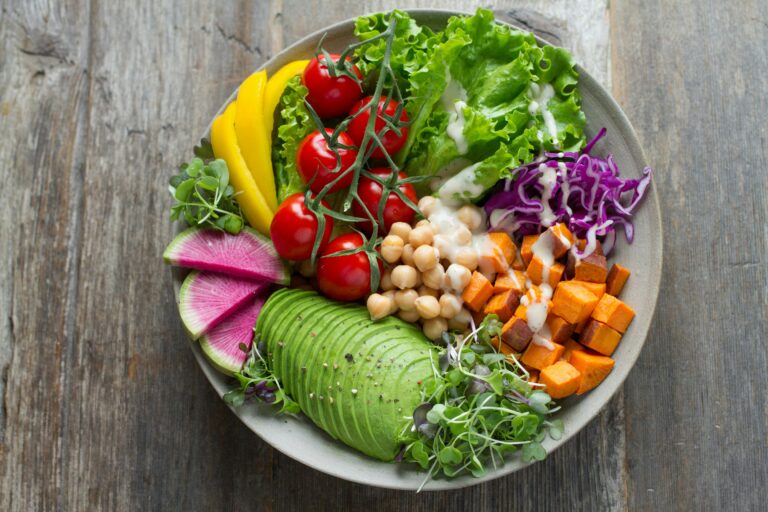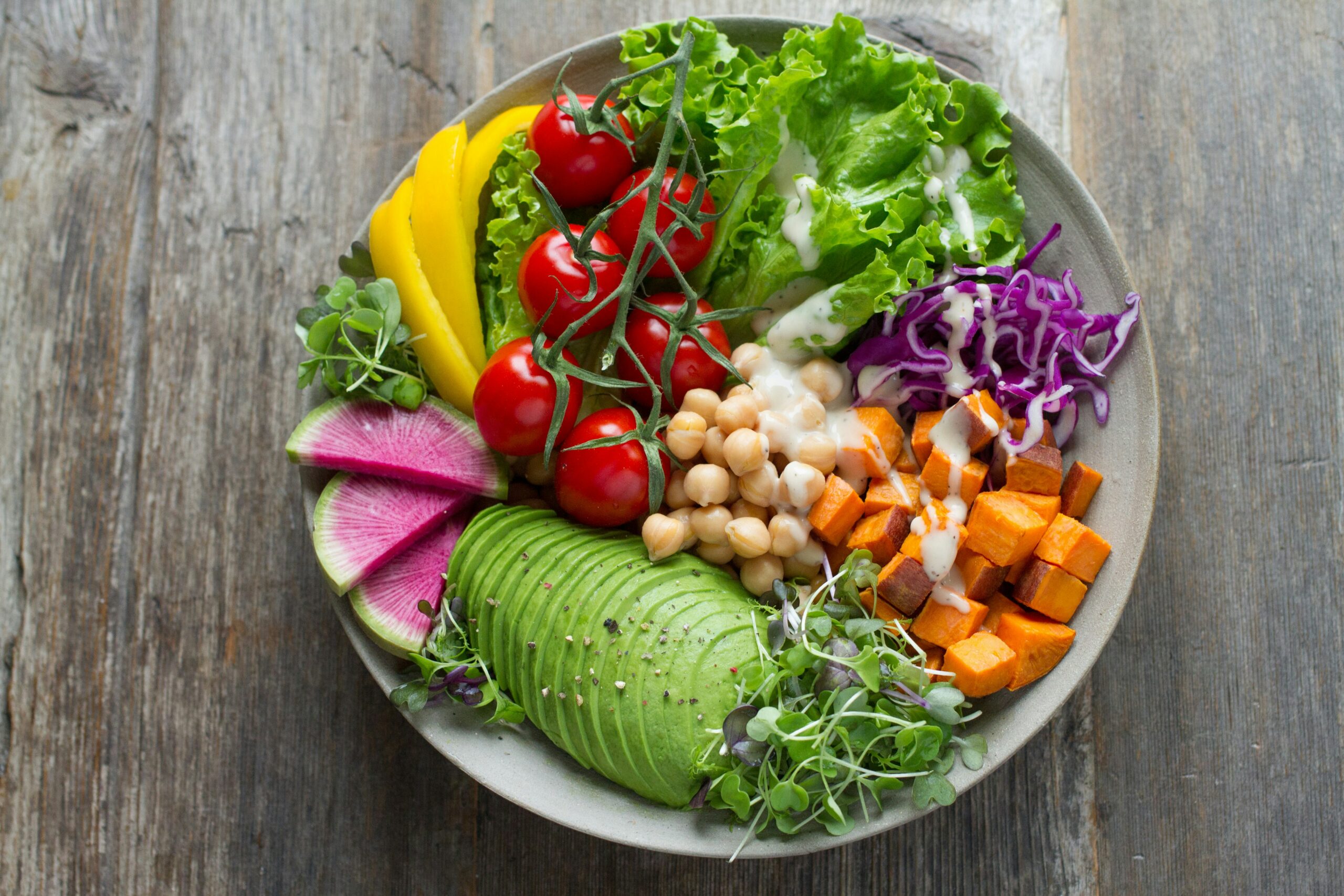
Let’s strip away the Silicon Valley PR fluff and look at the actual P&L. By mid-2026, operating a fast-casual joint in California with a baseline wage pushing $17 to $20 an hour is a straight-up margin killer. You either raise prices until customers revolt, or you slash labor hours. This is exactly why Sweetgreen’s ‘Infinite Kitchen’ automated makeline isn’t some futuristic gimmick—it is a mandatory survival mechanism yielding a massive 700 basis points in labor savings per equipped unit.
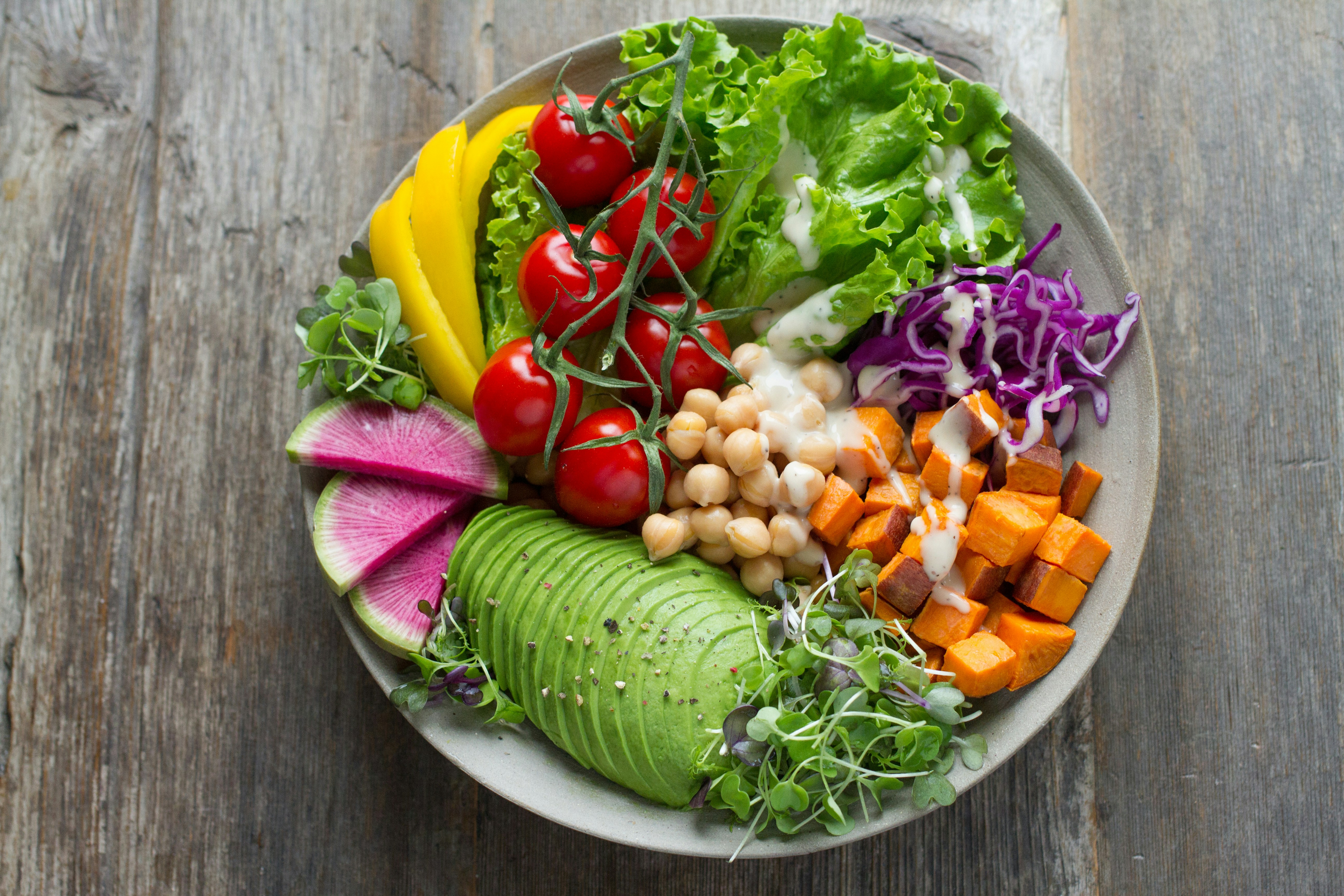
The unit economics of manual bowl assembly are broken. But here is the gritty reality that tech bros ignore: retrofitting older, smaller legacy restaurants with heavy robotics is a capital expenditure nightmare. That’s why Sweetgreen’s 2026 deployment strategy has aggressively pivoted. Rather than trying to jam a robotic arm into a tiny 2018-era footprint, they are forcing the Infinite Kitchen into roughly 50% of all *new* builds. They even unloaded the underlying robotics R&D arm to ‘Wonder’ late last year to stop burning corporate cash, locking in a licensing deal instead. It’s a ruthless, practical move to protect the core restaurant business.
“Look at the throughput numbers. During a Tuesday lunch rush in downtown LA, a human makeline maxes out and starts dropping order accuracy,” says Mark Torres, an independent multi-unit operator. “The Infinite Kitchen doesn’t take smoke breaks and it doesn’t over-portion the avocado. In a market where every basis point of COGS and labor dictates whether you make rent, you have to automate the friction points. Sweetgreen figured out that you keep the humans at the register to smile, and you let the machine build the bowl.”
If you’re an operator staring down the barrel of 2026 labor mandates, the lesson is clear. You don’t need a fully autonomous restaurant. You need targeted automation that shaves 5-7% off your prime costs. Anything less, and the math simply does not work.