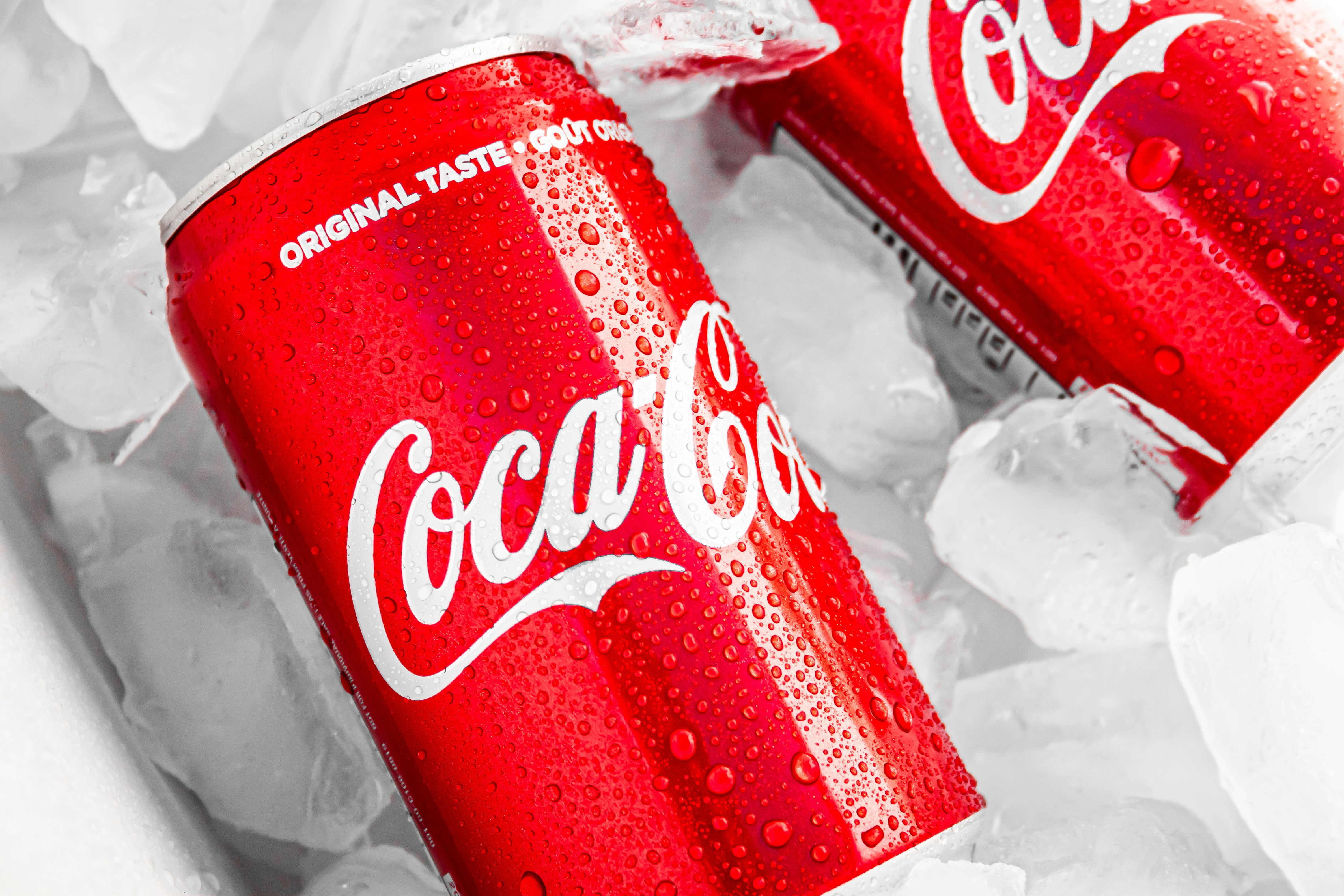
The mechanical hum of the traditional, syrup-heavy soda fountain is slowly being silenced across the American fast-casual landscape. As we navigate the culinary shifts of mid-2026, the pursuit of ‘proactive wellness’ has completely rewired consumer expectations. The modern diner is no longer satisfied with the hollow, aggressive sweetness of high-fructose corn syrup; they are seeking a sensory experience that offers a tangible, physiological return. In response, industry leaders are aggressively tearing out legacy carbonated dispensers in favor of vibrant, complex ‘functional beverages.’
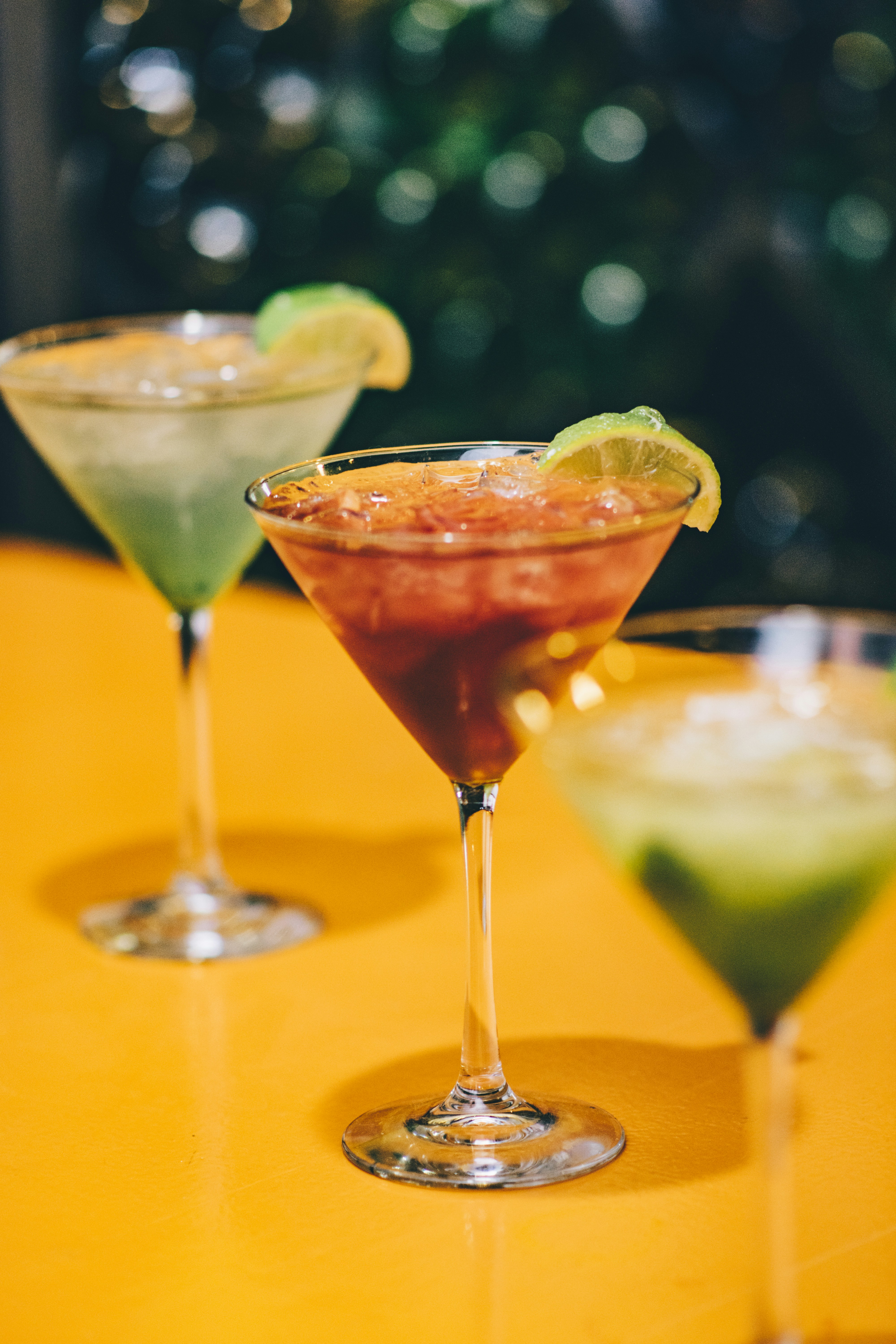
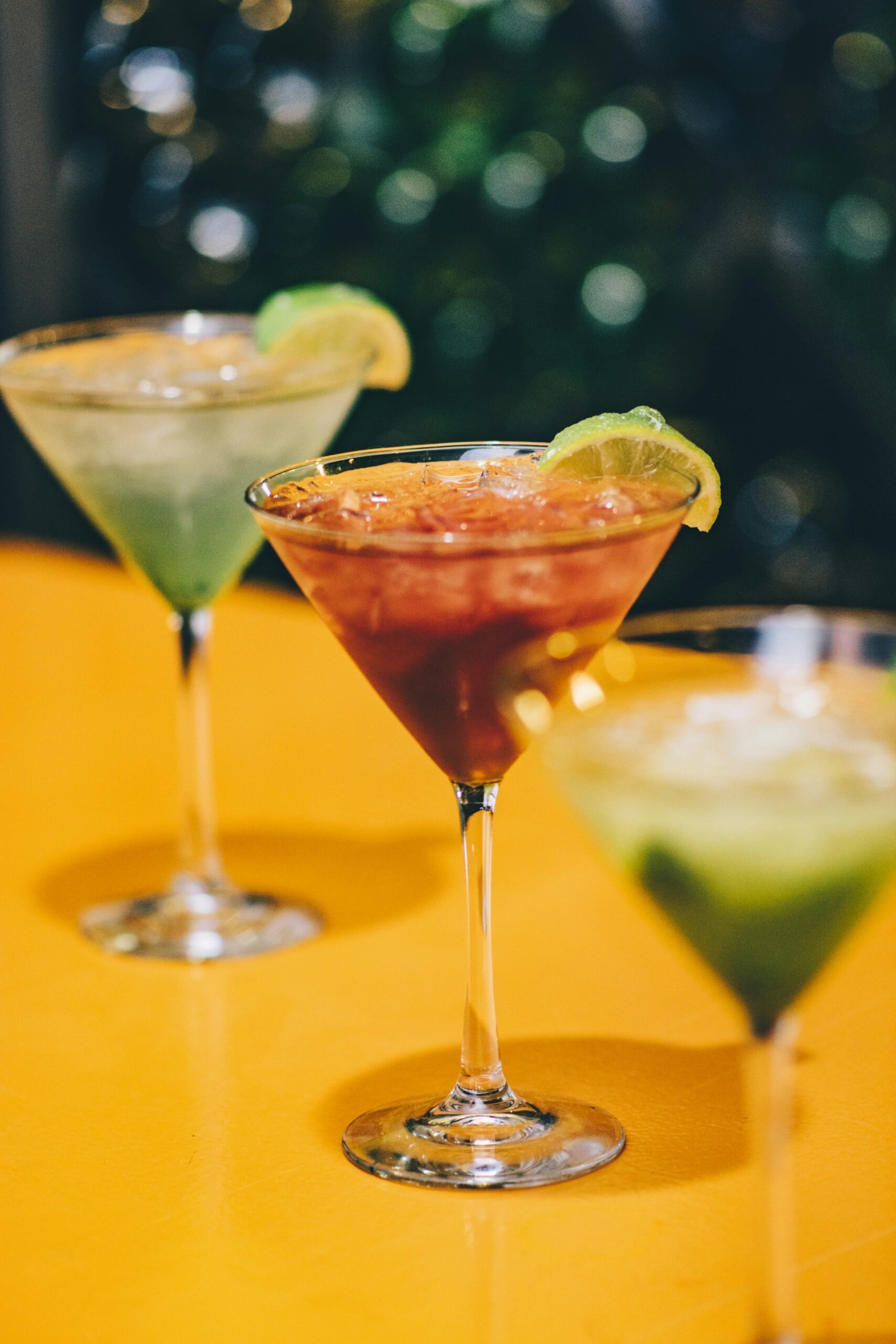
This is not merely a substitution of liquids; it is a profound evolution in flavor architecture. The new wave of prebiotic sodas, adaptogenic elixirs, and nootropic teas relies on a radically different palate. We are seeing the rise of earthy, grounding notes from ashwagandha and the sharp, acidic bite of fermented botanicals, completely replacing the one-dimensional sugar profiles of the past. Brands like Sweetgreen and Panera are leaning heavily into this space, understanding that when a beverage is perceived as ‘brain fuel’ or a ‘stress-relieving ritual,’ it immediately justifies a premium price point.
“The modern consumer expects their beverage to perform a specific biological task,” explains Dr. Aris Thorne, a culinary formulator specializing in plant-based menus. “When you infuse a drink with L-theanine or lion’s mane mushroom, you are introducing inherently bitter, earthy flavors. The culinary genius lies in balancing those complex, medicinal notes with bright citrus or natural fruit nectars, creating a drink that is both incredibly functional and deeply refreshing.”
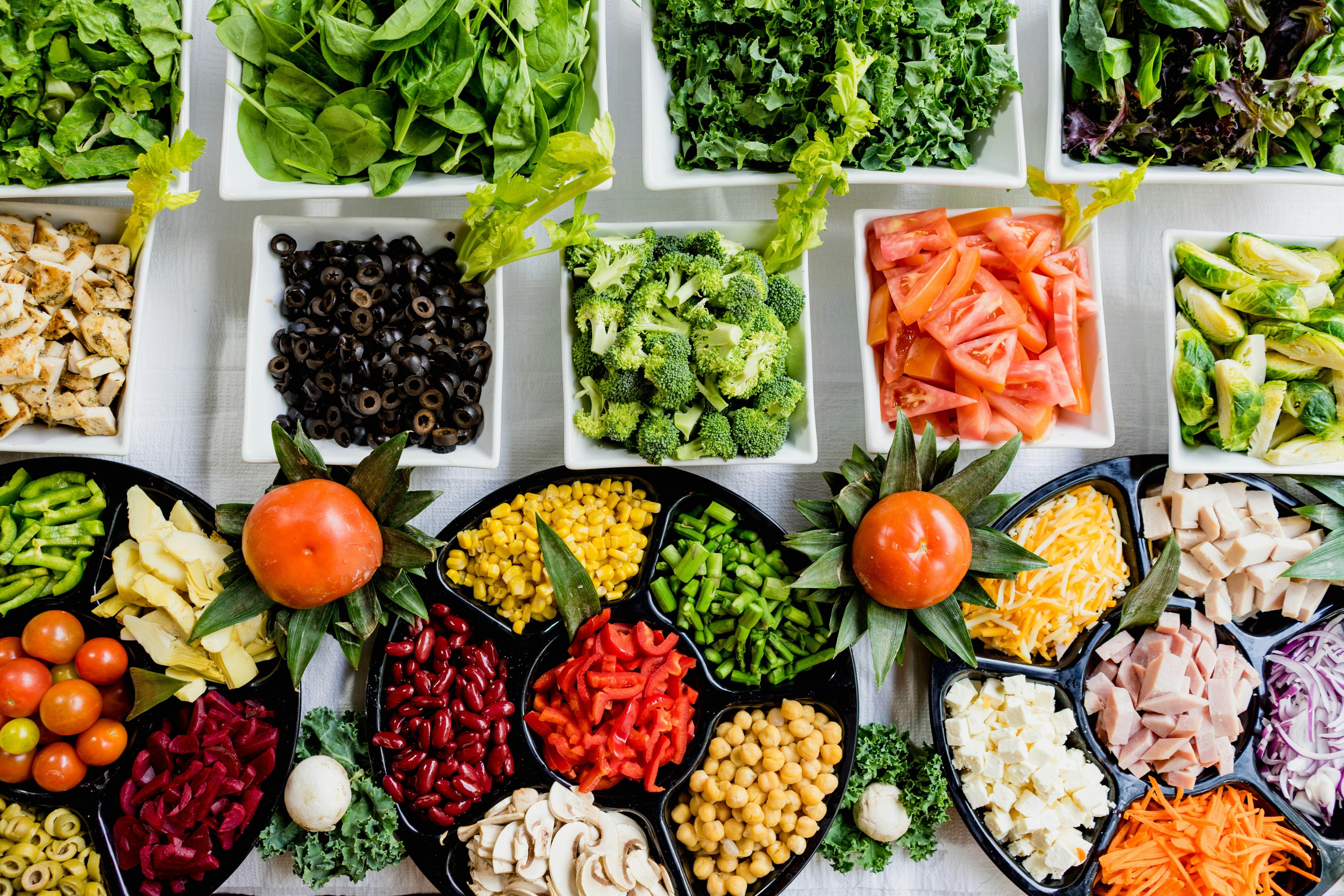
The financial implication for the QSR sector is massive. By transforming a passive, high-volume commodity (cola) into a curated, health-focused experience, operators are elevating their entire brand narrative while successfully masking the inherently high margins of the beverage category.