Archer Daniels Midland (NYSE:ADM) recently reported earnings that not only surpassed analyst expectations but also defied the pervasive macroeconomic headwinds challenging numerous sectors across the S&P 500. This stellar performance is far from a mere market anomaly; it represents a profound case study in sophisticated geopolitical supply chain management, integrated technology utilization, and disciplined global hedging strategies within the volatile agri-food complex. For discerning executives in the food and beverage industry, ADM’s trajectory offers critical insights into building resilience and extracting value in an increasingly fractured and unpredictable global landscape.
ADM’s robust results underscore its strategic mastery over the intricate web of global commodity flows. In an era marked by persistent geopolitical tensions, supply dislocations, and climate-induced volatility, the company has adeptly navigated these treacherous waters, transforming potential vulnerabilities into competitive advantages. This is not just about moving products; it is about a granular understanding of every node in the supply chain, from farm gate to consumer, fortified by proactive risk mitigation and data-driven decision-making.
Geopolitical Headwinds: From Disruption to Strategic Advantage
The global agri-food supply chain remains a primary theater for geopolitical friction. Conflicts, trade disputes, and protectionist policies inherently fragment traditional routes and elevate operational costs. ADM’s ability to thrive amidst these conditions points to several critical capabilities. Firstly, its **diversified global footprint**—spanning sourcing, processing, and distribution across continents—provides inherent optionality. When one region faces disruption, ADM possesses the infrastructure and market intelligence to pivot towards alternative origins or destinations, minimizing exposure and maintaining continuity of supply for its industrial customers.
Secondly, ADM’s **proactive market intelligence** gathering has proven invaluable. This isn’t merely about tracking commodity prices; it encompasses deep-dive analysis into regulatory shifts, political stability indicators, and regional crop outlooks. By anticipating potential choke points or supply surges, ADM can pre-position inventory, secure favorable freight terms, and adjust its trading strategies well in advance of widespread market reaction. This foresight acts as a powerful buffer against sudden shocks, insulating margins and ensuring reliable delivery to its vast B2B clientele.
The Logistics Nexus: Data-Driven De-Risking and Operational Excellence
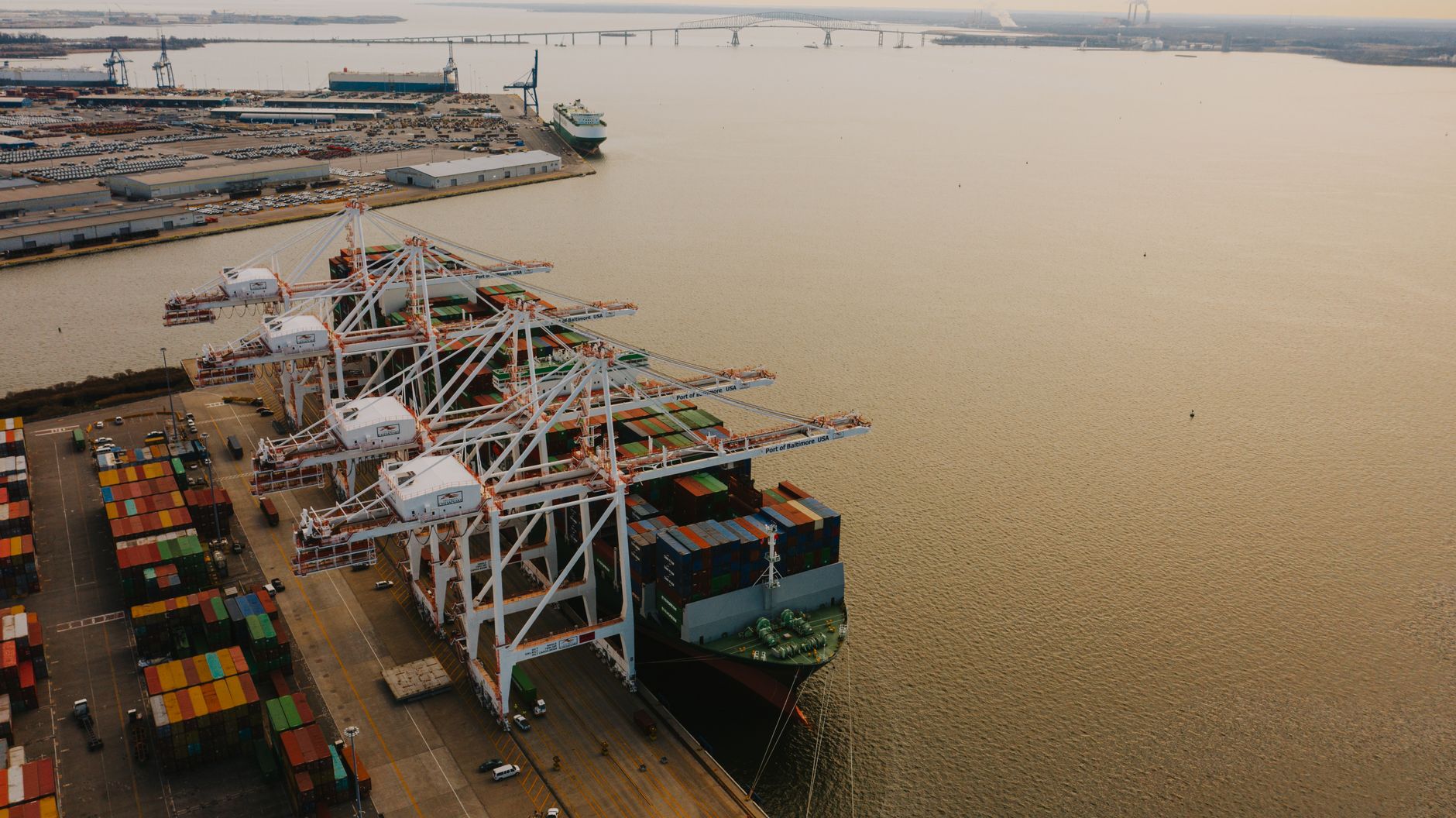
Logistics risk has emerged as a paramount concern in global commerce, with soaring freight costs, port congestion, and labor shortages plaguing sectors worldwide. ADM’s success narrative is deeply intertwined with its exceptional command over its vast and complex logistics network. The company operates an extensive asset base, including barges, railcars, trucks, and strategically located port facilities, offering a level of control and flexibility many competitors lack.
Crucially, this operational prowess is amplified by **advanced data analytics and real-time visibility**. ADM leverages sophisticated platforms to optimize shipping routes, predict maintenance needs for its fleet, and manage inventory across its global network with pinpoint accuracy. This **data pipeline integration** allows for dynamic adjustments to transportation modes and storage locations in response to real-time events, from severe weather to labor strikes. For instance, anticipating bottlenecks at a specific port can trigger rerouting to an alternative, often less congested, facility, thereby sustaining throughput and avoiding costly demurrage charges. This granular control over the physical movement of goods is a strategic differentiator, providing a competitive edge in delivery reliability and cost efficiency.
Technology Integration: The Central Nervous System of a Global Giant
At the heart of ADM’s resilience is its aggressive integration of technology across its operations. This extends beyond basic digitalization; it’s about creating an intelligent, interconnected enterprise. The company’s investments in **AI-driven forecasting models** are particularly noteworthy. These models ingest vast datasets—from satellite imagery providing crop yield estimates to real-time weather patterns and macroeconomic indicators—to generate highly accurate predictions for supply and demand dynamics.
Furthermore, ADM has significantly enhanced its internal **data pipeline infrastructure**, ensuring seamless flow of critical information from its trading desks to processing plants and logistics hubs. This end-to-end visibility empowers faster, more informed decision-making. For example, machine learning algorithms analyze historical trade flows and current geopolitical events to identify emerging market opportunities or imminent supply constraints, allowing ADM to adjust its procurement and sales strategies with unparalleled agility. This technological backbone transforms raw data into actionable intelligence, enabling proactive responses rather than reactive adjustments, a crucial advantage in fast-moving commodity markets.
Global Hedging Strategies: Mitigating Volatility, Preserving Margins
In commodity trading, price volatility is a constant. ADM’s consistently strong earnings are a testament to its highly sophisticated and disciplined global hedging strategies. The company employs a comprehensive suite of financial instruments, including futures, options, and forward contracts, to mitigate exposure to fluctuations in commodity prices, freight rates, and currency exchange rates.
This isn’t speculative trading but a calculated risk management approach designed to protect profit margins and ensure predictable financial performance for its shareholders and stability for its customers. By locking in prices for inputs and outputs, ADM can offer greater price stability to its B2B customers, who themselves face pressure to manage their own cost structures. Their hedging prowess is supported by superior market intelligence, derived from their extensive data pipelines and global presence, providing them with a clearer, earlier view of market direction than many competitors.
Strategic Implications for the Food & Beverage Sector
ADM’s exemplary performance offers crucial lessons for the broader food and beverage industry. Firstly, it underscores the imperative of **proactive risk assessment and diversification** in an era of persistent geopolitical and climatic uncertainty. Relying on single-source suppliers or inflexible logistics pathways is no longer viable.
Secondly, the case for **digital transformation and data pipeline investment** has never been stronger. Companies that fail to harness real-time data, AI, and predictive analytics risk being outmaneuvered by more agile, data-driven competitors. Investing in robust systems for end-to-end supply chain visibility and market intelligence is no longer a luxury but a strategic necessity.
Finally, the ability to integrate **operational and financial hedging strategies** is paramount. Protecting margins against commodity and currency volatility requires sophisticated financial engineering married with deep market understanding. For F&B manufacturers, this means building more resilient procurement strategies that incorporate financial tools to buffer against price shocks.
In conclusion, ADM’s recent earnings surge is more than a financial triumph; it is a masterclass in navigating the complexities of the 21st-century global agri-food economy. Its strategic acumen in geopolitical supply chain management, integrated logistics, advanced technology adoption, and robust hedging provides a compelling blueprint for other industry players striving for sustained success amidst an increasingly dynamic and challenging operating environment. As geopolitical currents intensify and climate impacts deepen, the lessons from ADM’s operational playbook will only grow in relevance.