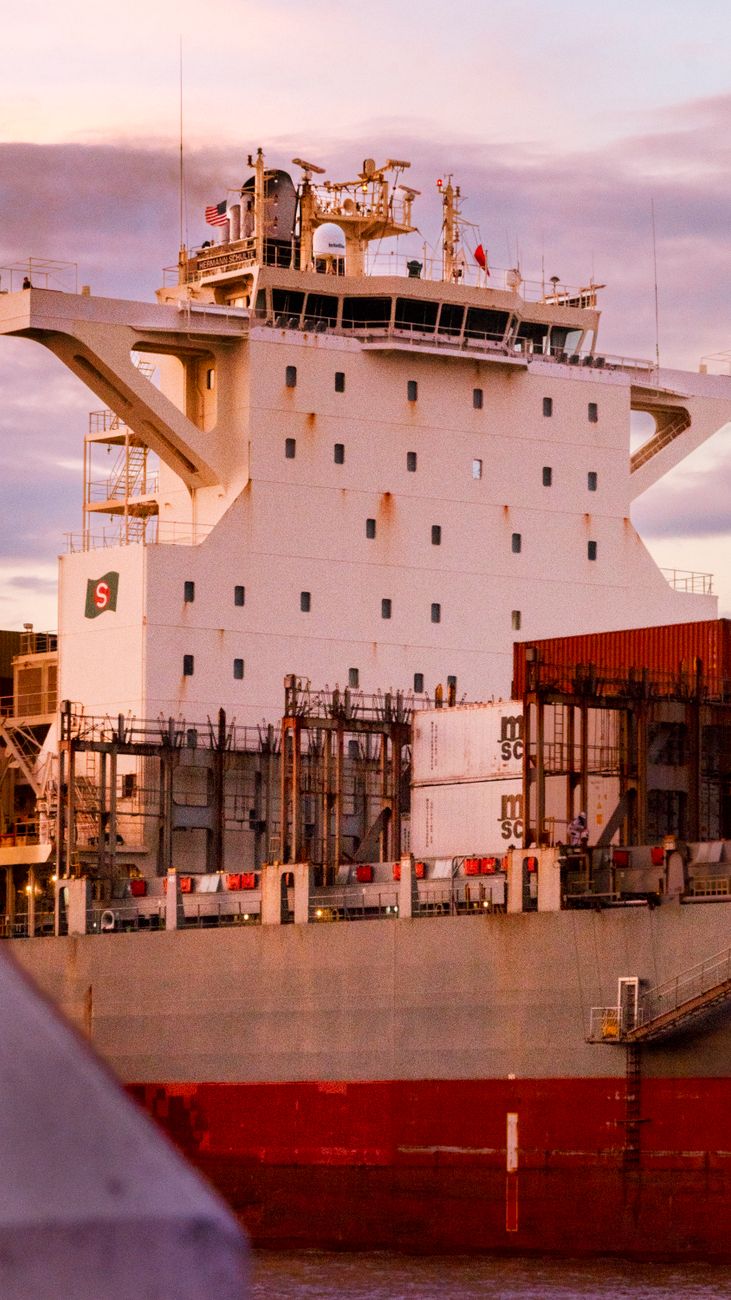
In an era defined by persistent geopolitical volatility, climate-induced disruptions, and the lingering aftershocks of a global pandemic, the fortification of national supply chains has ascended to a critical strategic imperative. Farms.com’s recent spotlight on nine firms actively strengthening the Canadian supply chain is not merely a regional news item; it represents a significant pivot towards enhanced resilience, technological integration, and systemic de-risking within the crucial food and beverage (F&B) sector. For F&B executives navigating a complex global landscape, this concerted domestic effort signals both mitigation of extant vulnerabilities and the cultivation of new operational efficiencies and competitive advantages.
The global F&B supply chain has, in recent years, demonstrated its fragility. From port backlogs and labor shortages to escalating freight costs and geopolitical trade disputes, the pathways from farm to table have been repeatedly tested. Canada, as a major agricultural producer and exporter, is not immune. The strategic identification and empowerment of these nine firms underscores a proactive national strategy to insulate its vital F&B ecosystem from external shocks and to ensure the consistent, reliable flow of goods both domestically and internationally. This initiative is a clear strategic hedge against the unpredictable variables that continue to define the 21st-century global economy.
Strategic Pillars of Enhanced Resilience
While the specific identities and individual contributions of the nine firms remain proprietary to the original report, a macro-level analysis suggests their collective impact will likely span several critical areas: advanced logistics and transportation, agri-tech innovation, cold chain optimization, data-driven supply chain management, and sustainable infrastructure development. Each of these pillars is foundational to constructing a supply chain that is not only robust but also agile and adaptable.
Logistics and Transportation Enhancement: Given Canada’s vast geography and reliance on efficient transport networks, these firms are likely investing in multi-modal solutions – optimizing rail, road, and port efficiencies. This includes improving last-mile delivery capabilities for perishable goods, reducing transit times, and minimizing spoilage. For F&B operators, this translates directly into fresher produce, reduced operational losses, and potentially lower transportation costs through economies of scale and optimized routing algorithms.
Agri-Tech and Precision Agriculture: Modernizing the agricultural base is paramount. Firms in this space are likely deploying advanced technologies such as IoT sensors for soil health monitoring, drone-based crop management, AI-driven yield forecasting, and automated harvesting systems. These innovations not only boost productivity but also enhance the predictability and quality of inputs entering the F&B supply chain. The data generated provides critical intelligence for demand planning and inventory management, significantly reducing waste and improving resource allocation.
Cold Chain Optimization: A robust cold chain is non-negotiable for Canada’s diverse F&B industry, particularly for exports. Investment in state-of-the-art cold storage facilities, real-time temperature monitoring, and energy-efficient refrigeration technologies will minimize spoilage, extend shelf life, and ensure product integrity from farm to consumer. This is a direct de-risking strategy against product loss, enhancing food safety compliance and market access for high-value perishable goods.
Technological Integration: The Data Pipeline as a Strategic Asset
The true power of this supply chain fortification effort lies in its emphasis on technological integration. The modern supply chain is increasingly a data pipeline, and these firms are likely at the forefront of leveraging sophisticated digital tools:
- Artificial Intelligence (AI) and Machine Learning (ML): For predictive analytics, demand forecasting, optimal inventory positioning, and identifying potential bottlenecks before they materialize. This enables F&B companies to shift from reactive problem-solving to proactive risk management.
- Internet of Things (IoT): Sensors deployed across farms, transport vehicles, and warehouses provide real-time data on everything from temperature and humidity to location and stock levels. This granular visibility is crucial for maintaining quality, ensuring traceability, and preventing costly disruptions.
- Blockchain Technology: While still evolving, blockchain offers unparalleled transparency and immutability for tracking products through the supply chain. For F&B, this translates into enhanced food safety, simplified recall procedures, and undeniable provenance—a significant competitive differentiator in consumer markets increasingly demanding ethical sourcing and transparency.
These integrated data pipelines are not just about efficiency; they are about generating actionable intelligence. F&B executives can leverage this enhanced data ecosystem for more accurate hedging strategies, whether it’s against commodity price fluctuations, logistical delays, or demand-supply imbalances. Access to superior domestic supply chain data reduces information asymmetry, allowing for more informed strategic decisions on sourcing, production scheduling, and market entry.
Geopolitical De-Risking and Global Hedging
From a geopolitical standpoint, strengthening the Canadian supply chain reduces the nation’s—and by extension, its F&B industry’s—vulnerability to external pressures. By fostering greater domestic capacity and efficiency, Canada can reduce its reliance on potentially unstable international routes or single-source foreign suppliers for critical inputs or market access.
This localized enhancement acts as a potent form of national hedging. When global shipping lanes are disrupted or international trade relations sour, a robust domestic network provides a critical safety net. For Canadian F&B companies, this means greater certainty in sourcing raw materials and delivering finished products, mitigating the financial and reputational risks associated with supply chain failures. It also positions Canada as a more reliable and resilient trading partner globally, potentially attracting further investment and bolstering its international competitiveness.
Operational and Financial Implications for the F&B Sector
The collective efforts of these nine firms promise tangible benefits for the broader F&B industry:
- Cost Efficiencies: Optimized logistics, reduced waste, and improved operational predictability can lead to significant cost reductions in transportation, storage, and inventory management.
- Enhanced Market Access: A more reliable and efficient supply chain can open new domestic and international markets, particularly for time-sensitive or highly regulated products.
- Improved Product Quality and Safety: Better cold chain management, traceability, and handling protocols directly translate into higher quality products and enhanced food safety compliance, bolstering consumer trust.
- Strategic Agility: With better data and more resilient infrastructure, F&B companies can respond more swiftly to shifts in consumer demand, market trends, or unforeseen disruptions.
- Sustainability Goals: Many of these initiatives—reduced waste, optimized transport routes, precision agriculture—also align with corporate sustainability and ESG (Environmental, Social, and Governance) objectives, offering both reputational and operational benefits.
In conclusion, the strategic investment in strengthening the Canadian supply chain, spearheaded by these nine pivotal firms, is far more than a localized effort; it is a blueprint for national economic resilience. For F&B executives, this development demands close attention. Understanding the evolving capabilities within Canada’s domestic supply network is crucial for recalibrating corporate hedging strategies, optimizing operational blueprints, and ensuring long-term competitiveness in a world where supply chain stability is increasingly the ultimate strategic asset. The shift is clear: from just-in-time efficiency to just-in-case resilience, underpinned by robust data pipelines and strategic technological integration.