In an era defined by persistent geopolitical flux, unprecedented climate disruptions, and rapidly evolving technological landscapes, Quality Assurance (QA) and Food Safety have transcended their traditional operational roles to become critical strategic imperatives for the global food & beverage industry. The very integrity of our food supply chains, from farm to fork, is being re-evaluated through the lens of macro-economic pressures, logistical vulnerabilities, and the imperative for data-driven precision.
Foodsatlas.com’s analysis reveals that the ‘8 Things to Know About the Food Supply Chain Right Now’ concerning QA and Food Safety are inextricably linked to the broader geopolitical and technological currents shaping our world. For any entity operating within this complex ecosystem, understanding these interdependencies is no longer optional; it is fundamental to operational resilience, brand reputation, and long-term financial viability. The challenges are multi-faceted, demanding sophisticated risk management strategies and a proactive embrace of integrated technology solutions, moving far beyond reactive compliance.
Geopolitical Instability: A New Paradigm for Sourcing Risk
The contemporary geopolitical landscape—marked by regional conflicts, protectionist trade policies, and shifting alliances—has fundamentally altered global sourcing strategies. For food manufacturers and retailers, this translates into elevated risks to ingredient provenance and safety. A conflict in a key agricultural region or a sudden trade embargo can disrupt the supply of critical raw materials, forcing companies to pivot to alternative suppliers whose QA and food safety standards may be less familiar or rigorously vetted. This creates immediate exposure to unknown risks, from novel contaminants to inadequate handling procedures.
The strategic imperative here is robust supply chain diversification and continuous geopolitical risk assessment. Companies must develop dynamic supplier matrices, accounting for regional political stability, regulatory adherence, and climate resilience. This operational hedging, analogous to financial portfolio diversification, mitigates the impact of single-point failures and safeguards the integrity of inputs, a foundational element of food safety.
Logistical Fragility: The Cold Chain’s Achilles’ Heel
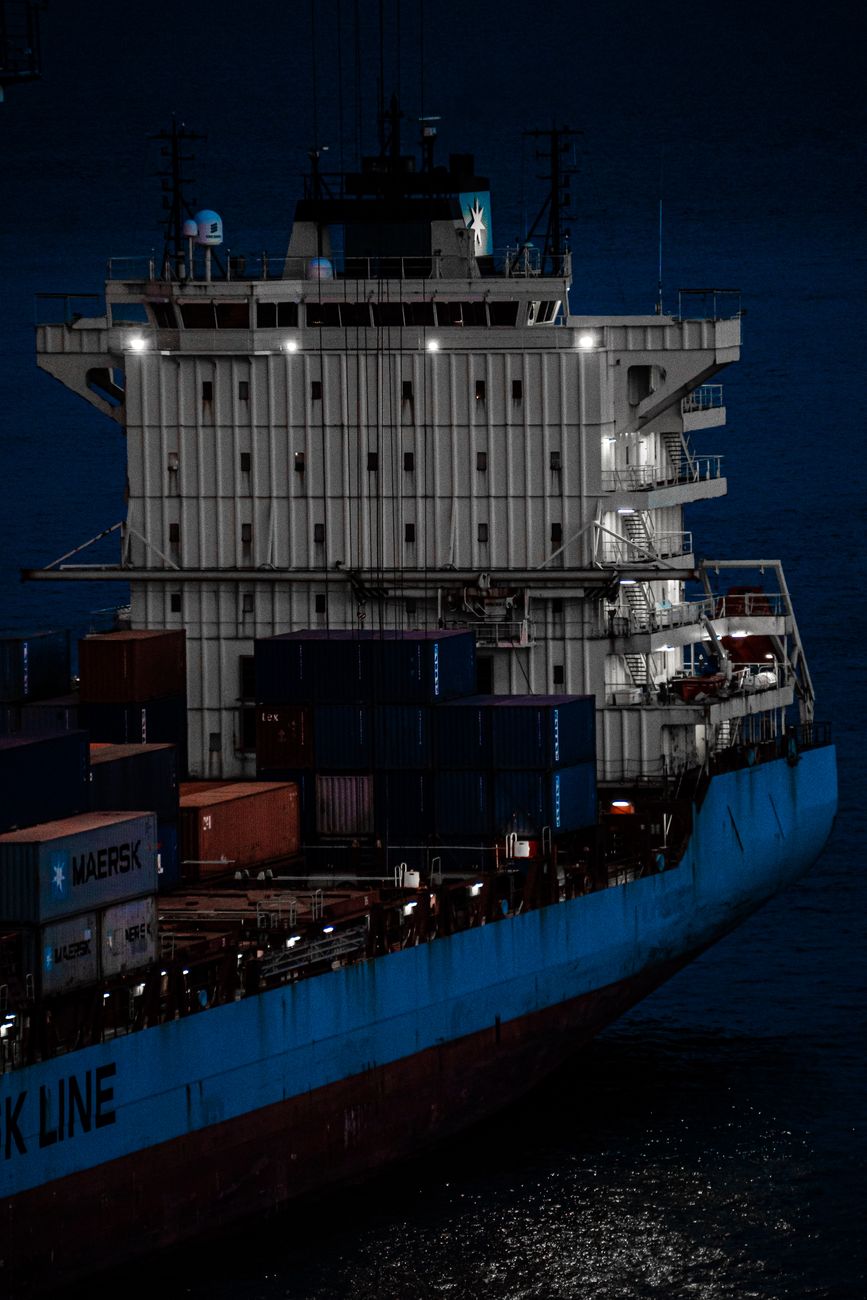
The global logistics network, already strained by pandemic-era disruptions, continues to grapple with port congestion, labor shortages, escalating fuel costs, and increasingly severe weather events. For temperature-sensitive food products, these logistical chokepoints present a direct threat to food safety. Delays in transit can compromise cold chain integrity, accelerating spoilage, encouraging microbial growth, and potentially rendering products unsafe for consumption. The financial implications of spoiled shipments are significant, but the reputational damage from a food safety incident can be catastrophic.
Advanced logistics visibility and redundancy are paramount. Investment in real-time IoT sensors for temperature and humidity monitoring, combined with predictive analytics, can provide early warnings of potential cold chain breaches. Furthermore, establishing multi-modal transport options and identifying alternative routing strategies serve as critical operational hedges against unforeseen disruptions, ensuring that products reach their destination under optimal conditions.
The Digital Mandate: Data Pipelines for Predictive QA/FS
Traditional, siloed QA and food safety protocols are increasingly insufficient to manage the complexity of modern food supply chains. The true competitive advantage lies in the integration of robust data pipelines that provide end-to-end visibility and predictive capabilities. This involves leveraging technologies like IoT for environmental monitoring (e.g., farm soil conditions, processing plant air quality), AI and machine learning for predictive spoilage analysis, and advanced analytics for identifying contamination patterns.
The goal is to move beyond reactive testing to a proactive, preventative posture. Imagine AI models processing data from countless historical incidents, weather patterns, and supplier performance metrics to flag high-risk batches before they even leave the processing facility. This level of data-driven insight transforms QA/FS from a cost center into a strategic asset, enabling faster decision-making, minimizing waste, and bolstering consumer trust.
Blockchain: Immutability for Ultimate Traceability
Blockchain technology, often lauded for its role in finance, is proving to be a game-changer for food supply chain transparency and traceability. Its immutable ledger provides an unalterable record of every step a product takes, from its origin at the farm to its final sale. This granular, tamper-proof data is invaluable for verifying ethical sourcing, proving organic claims, and, most critically, facilitating rapid and precise recalls in the event of a food safety incident.
For businesses, integrating blockchain offers a powerful mechanism for demonstrating accountability and building consumer confidence. It allows for pinpoint accuracy in identifying affected batches, reducing the scope and cost of recalls, and protecting brand equity. The investment in such infrastructure is not merely for compliance but for embedding systemic trust within the supply chain.
Cybersecurity: Protecting the Digital Food Chain
As food supply chains become increasingly digitized and interconnected, they simultaneously become more vulnerable to cyber threats. A sophisticated cyberattack can compromise critical operational technology (OT) systems, disrupt processing plants, tamper with data records, or even sabotage automated food safety controls. The implications for food integrity and public health are profound.
Companies must treat cybersecurity as an integral component of their food safety strategy. This includes robust network segmentation, continuous threat monitoring, regular penetration testing of OT systems, and comprehensive incident response plans. Protecting the digital backbone of the food supply chain is now as critical as safeguarding physical assets.
Regulatory Divergence: Navigating a Patchwork of Standards
While food safety is a global concern, regulatory frameworks remain largely national or regional. This divergence creates a complex compliance burden for international operators, as standards for contaminants, labeling, and processing can vary significantly. Managing this patchwork requires agile compliance systems capable of adapting to multiple jurisdictional requirements, often under tight deadlines.
Failing to navigate these regulatory complexities can lead to costly fines, product recalls, and market access restrictions. Strategic investment in legal and regulatory intelligence, coupled with flexible operational protocols, is essential for mitigating these risks and maintaining global market reach.
Climate Change: New Contaminants and Agricultural Shifts
Climate change is not just impacting yields; it is fundamentally altering the risk profile of food safety. Extreme weather events (droughts, floods) can promote the growth of mycotoxins in crops, increase pathogen prevalence, and stress agricultural systems in ways that compromise food quality and safety. Rising temperatures also affect storage conditions and can extend the geographic range of certain pests and diseases.
The industry must invest in climate-resilient agricultural practices, develop enhanced monitoring for novel contaminants, and adapt storage and processing techniques to changing environmental conditions. This requires scientific foresight and a proactive stance on managing emerging food safety threats driven by ecological shifts.
Human Capital: The Unsung Pillar of Food Safety
Despite the proliferation of advanced technologies, the human element remains a critical component of robust QA and food safety. Skilled personnel are needed to operate sophisticated equipment, interpret complex data, conduct sensory evaluations, and respond effectively to incidents. A lack of trained staff or inadequate understanding of new technologies can undermine even the most advanced systems.
Continuous investment in training and development is paramount. This includes upskilling staff in data analytics, cybersecurity protocols, and the application of AI and blockchain in food safety contexts. A well-trained workforce is the ultimate operational hedge, ensuring that technological investments translate into tangible improvements in food integrity.
Conclusion: A Holistic Approach for Future Resilience
The contemporary food supply chain operates at a precarious intersection of geopolitical instability, logistical fragility, and rapid technological evolution. For David Chen, the message is clear: Quality Assurance and Food Safety are no longer isolated functions but integrated components of a macro-level risk management strategy. Companies that proactively invest in diverse sourcing, resilient logistics, advanced data pipelines, immutable traceability, robust cybersecurity, and continuous human capital development will not only mitigate critical risks but also forge a significant competitive advantage. The future of food security and consumer trust hinges on a holistic, technologically astute, and geopolitically aware approach to every aspect of the supply chain.