The escalating ‘Super El Niño’ phenomenon is poised to unleash a cascading array of disruptions across global agricultural output and maritime logistics, directly threatening the operational continuity and price stability within UK food supply chains. As the world braces for intensified climatic volatility, this analysis delves into the macro-economic and micro-operational implications for the food and beverage industry, urging stakeholders to recalibrate hedging strategies and leverage advanced data pipelines to mitigate the impending turbulence.
Forecasts from the UK Met Office and international climate agencies confirm a strong El Niño event, expected to persist well into 2024. Its far-reaching consequences extend beyond localized weather anomalies, impacting major food-producing regions globally. For a nation as import-reliant as the UK, which sources approximately 46% of its total food supply from abroad – including a significant portion from regions highly susceptible to El Niño’s influence – the implications are profound and immediate. The challenge is not merely about adapting to unusual weather; it is about anticipating systemic shocks to an interconnected global food architecture.
The Global Agricultural Shockwave
El Niño’s signature weather patterns, characterized by altered ocean temperatures in the Pacific, trigger a domino effect of droughts in some regions and excessive rainfall in others. For the UK, the agricultural ramifications are particularly acute across its primary sourcing geographies. Southern Europe and North Africa, critical suppliers of fresh produce, olive oil, and certain grains, face intensified heatwaves and prolonged droughts, severely impacting crop yields and quality. Spain, a key producer of olive oil and soft fruits, is already grappling with record-low harvests, sending global prices soaring and forcing UK importers to seek alternative, often more expensive, sources.
Further afield, Southeast Asia and Latin America, supplying commodities such as rice, palm oil, coffee, and cocoa, are also on high alert. Vietnam and Thailand, major rice exporters, anticipate reduced outputs due to drought conditions, potentially tightening the global rice market – a staple for millions. Brazil’s coffee belt could experience shifts in rainfall, affecting arabica yields, while West African cocoa-producing nations face the specter of dry spells impacting their critical harvests. These localized climate events translate into global commodity price spikes, input cost inflation for processors, and ultimately, higher retail prices for UK consumers. The challenge lies in predicting the precise timing and severity of these impacts, requiring sophisticated meteorological and agricultural data integration into supply chain planning.
Navigating Logistical Chokepoints
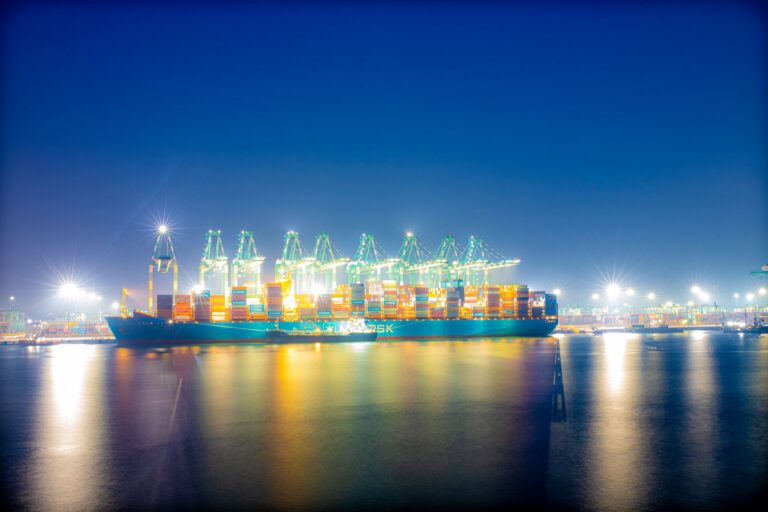
Beyond crop failures, El Niño exacerbates existing fragilities in global logistics networks. Extreme weather events – from intensified storms disrupting port operations to widespread flooding impeding road and rail transport – create significant bottlenecks. Key maritime arteries, such as the Panama Canal, are already experiencing drought-induced water level restrictions, leading to reduced vessel transit capacity, increased waiting times, and higher surcharge fees. This directly impacts transit times and costs for goods originating from the Americas destined for UK ports.
The cumulative effect is a surge in freight rates, extended lead times, and increased risks of spoilage for perishable goods. For UK importers, this means navigating a complex web of potential delays and cost escalations. The ‘just-in-time’ inventory models prevalent across the grocery sector, designed for efficiency under stable conditions, become dangerously exposed to these volatile logistical chokepoints. Robust derisking strategies must now incorporate scenarios where average transit times lengthen by weeks, demanding greater buffer stock considerations and flexible routing options, often at a premium.
Financial Hedging in a Volatile Market
The financial implications for UK food businesses are substantial. The confluence of diminished supply, disrupted logistics, and sustained demand fuels commodity price volatility, directly impacting procurement costs and profit margins. Retailers and manufacturers face the unenviable task of absorbing these shocks or passing them onto consumers, a dilemma with significant inflationary pressures and competitive ramifications. Futures contracts and options, traditionally deployed for managing price risk, become even more critical but also more challenging to calibrate accurately in an environment of unprecedented uncertainty.
Strategic financial hedging extends beyond mere commodity procurement. It encompasses currency risk management, particularly for imports denominated in USD or EUR, which can see their effective costs inflate further amidst market anxiety. Businesses must develop advanced models to simulate various El Niño scenarios, stress-testing their balance sheets against potential price surges of 20-30% across multiple key ingredients. This necessitates a proactive approach to liquidity management and the establishment of contingency funds to navigate prolonged periods of elevated costs and potential supply scarcity.
Technological Imperatives for Resilience
In this era of climatic disruption, technological integration is no longer a luxury but an existential necessity for safeguarding UK food supply chains. Data-driven intelligence, powered by advanced analytics and artificial intelligence (AI), offers a crucial advantage. Real-time weather pattern analysis, satellite imagery for crop health monitoring, and predictive yield forecasting models allow businesses to anticipate impacts with greater precision, enabling proactive sourcing adjustments.
Furthermore, AI-driven logistics platforms can optimize shipping routes, predict port congestion, and suggest alternative transport modalities to circumvent disruptions. Blockchain technology, while still maturing, promises enhanced traceability and transparency from farm to fork, offering immediate visibility into supply chain integrity and allowing for rapid identification of bottlenecks or quality issues. The implementation of digital twins for entire supply networks enables sophisticated scenario planning, stress-testing various disruption vectors, and refining response protocols without physical trial and error. Investment in these data pipelines and AI capabilities is paramount for developing adaptive, resilient supply chain control towers capable of real-time responsiveness.
Strategic Reorientation and Long-Term Adaptation
The ‘Super El Niño’ serves as a stark reminder that the traditional paradigms of global sourcing require fundamental re-evaluation. For UK food businesses, strategic reorientation must encompass multi-pronged approaches:
- Diversification of Sourcing: Actively exploring new, geographically diverse suppliers less prone to El Niño’s specific climatic impacts. This might involve investing in partnerships across different continents or exploring lesser-known agricultural regions.
- Near-shoring/Re-shoring Debates: While not feasible for all commodities, a renewed focus on domestic or closer-to-home production for certain goods can reduce exposure to long-haul logistical risks and geopolitical uncertainties.
- Dynamic Inventory Management: Shifting from pure ‘just-in-time’ to ‘just-in-case’ for critical raw materials, while leveraging data to optimize buffer stocks, preventing both overstocking and debilitating shortages.
- Collaborative Ecosystems: Fostering deeper collaboration and information sharing across the value chain – from farmers and growers to logistics providers, manufacturers, and retailers – to build collective resilience and coordinate responses.
- Investment in Climate-Resilient Agriculture: Supporting R&D into drought-resistant crop varieties, precision farming techniques, and sustainable water management practices globally, ensuring long-term supply stability.
The current El Niño cycle is not an isolated event but a bellwether for increased climate volatility. UK food supply chains must evolve from reactive troubleshooting to proactive, predictive resilience. This demands a holistic approach, integrating geopolitical risk assessment, advanced technological solutions, and a fundamental shift towards more adaptive and geographically diversified sourcing strategies. Only through such comprehensive strategic reorientation can the UK food sector effectively hedge against the deepening risks posed by a changing global climate.