The re-emergence of El Niño, a formidable climate phenomenon characterized by warming Pacific Ocean surface temperatures, has unequivocally placed global food supply chains on high alert. For the food and beverage industry, this is not merely a meteorological event; it is a critical operational and financial nexus, portending amplified commodity risks, logistical disruptions, and potential inflationary pressures that demand immediate and sophisticated strategic responses. As commodity markets brace for an unpredictable harvest cycle, the imperative for data-driven risk management, advanced hedging strategies, and integrated technological solutions has never been more acute.
Unpacking the Immediate Commodity Impact
El Niño’s footprint is global, yet its agricultural ramifications are acutely regional and commodity-specific. Southeast Asia, a linchpin in global rice, palm oil, and sugar production, faces the specter of severe drought conditions. Reduced rainfall and elevated temperatures are poised to curtail yields of these staple crops, potentially triggering export restrictions—as seen historically and recently with India’s rice export ban—and driving up international prices. Similarly, key agricultural regions in Australia, particularly its eastern wheat belt, are vulnerable to significant harvest reductions due to sustained dry spells. Analysts at leading commodity trading houses are already modeling scenarios that project upwards of 15-20% yield reductions for certain crops in impacted zones, translating directly into tighter supply curves and upward price trajectories on futures exchanges.
Conversely, parts of the Americas, notably the southern United States and certain regions of South America, are susceptible to increased rainfall and flooding. While some areas may benefit from enhanced irrigation, excessive precipitation can lead to waterlogging, disease outbreaks, and impede harvesting operations for crops like corn, soybeans, and coffee. The nuanced geographical variance demands granular, localized data pipelines for F&B firms to accurately assess regional supply vulnerabilities and pre-position inventory or adjust sourcing strategies. Cocoa-producing regions in West Africa, already contending with market volatility, could also face climate-induced disruptions impacting global chocolate prices.
Logistical Chokepoints and Operational Headwinds
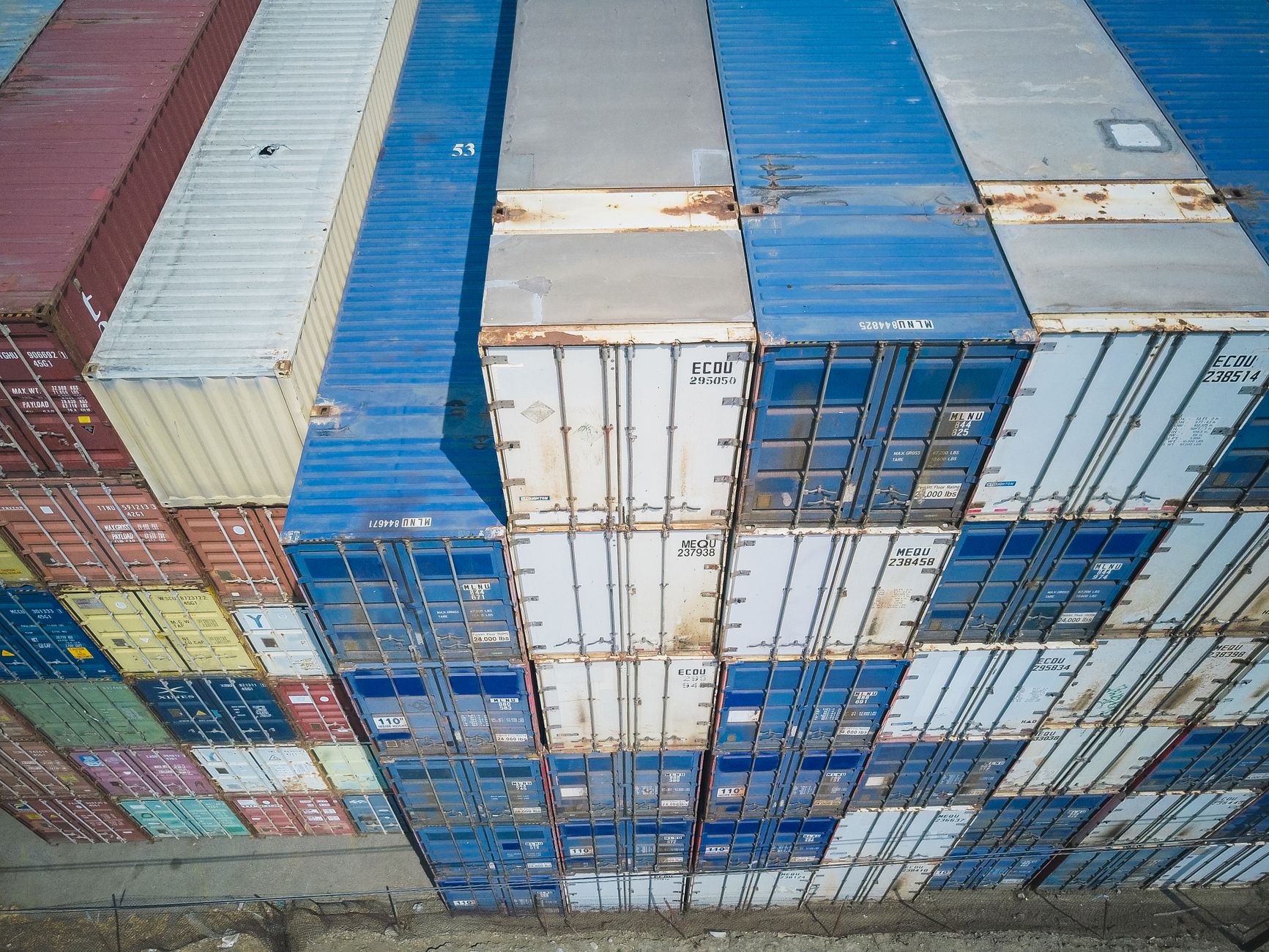
Beyond direct agricultural output, El Niño exacerbates a range of logistical and operational risks. Extreme weather events, whether droughts or floods, impede transportation infrastructure. Low water levels in crucial inland waterways, such as the Mississippi River or the Panama Canal—a critical conduit for global maritime trade—can restrict vessel traffic, increase transit times, and elevate shipping costs. Conversely, torrential rains can damage road networks and rail lines, disrupting last-mile delivery and delaying shipments of raw materials and finished goods. The integrity of the cold chain, vital for perishable food items, becomes particularly vulnerable under conditions of extreme heat or extended transit, increasing spoilage rates and quality control challenges.
Furthermore, energy markets are intrinsically linked. El Niño can impact hydropower generation in regions dependent on it, potentially leading to increased reliance on fossil fuels, higher energy costs, and consequently, elevated operational expenditures for energy-intensive food processing and logistics operations. These cascading effects underscore the systemic vulnerability of highly optimized, just-in-time supply chains to macro-climatic shocks.
Strategic Imperatives: Data, Hedging, and Technological Integration
In this heightened risk environment, food businesses must move beyond reactive measures to embrace proactive, data-driven strategies. The cornerstone of resilience lies in robust data pipeline integration. This involves leveraging real-time satellite imagery, advanced meteorological forecasting models, and AI/ML algorithms to predict localized weather patterns and their potential impact on specific agricultural yields and logistics corridors. Firms that can integrate these data streams into their enterprise resource planning (ERP) and supply chain management (SCM) systems will gain a critical advantage in preemptive decision-making.
Geographic and Supplier Diversification is no longer a strategic luxury but an operational necessity. Companies must audit their current sourcing matrices, identifying single points of failure in El Niño-prone regions and actively pursuing alternative suppliers in climatically diverse geographies. This might involve cultivating relationships with nascent agricultural markets or investing in contract farming arrangements across different continents, thereby distributing climate-related risk.
Financial Hedging Strategies are paramount for mitigating commodity price volatility. Utilizing futures and options contracts for critical raw materials—wheat, corn, sugar, coffee, palm oil—allows firms to lock in prices or establish price ceilings, protecting profit margins from sudden market spikes. This requires a sophisticated understanding of derivatives markets and disciplined execution, often necessitating collaboration with financial services firms specializing in commodity risk management. Beyond direct commodity hedging, companies should explore currency hedging strategies, given that climate-induced trade shifts can impact foreign exchange rates, adding another layer of cost variability.
The integration of advanced logistics technology is also non-negotiable. IoT sensors can provide real-time monitoring of cargo conditions (temperature, humidity), enabling immediate intervention in case of deviations. Blockchain technology offers enhanced traceability, providing immutable records of product origin and journey, which becomes invaluable when navigating complex supply chains under stress. Predictive logistics platforms, powered by AI, can optimize routing to circumvent weather-affected areas, minimize delays, and reduce fuel consumption.
Finally, inventory optimization and strategic stockpiling warrant re-evaluation. While lean inventory models offer cost efficiencies, El Niño’s prolonged uncertainty demands a balanced approach. Strategically positioned buffer stocks of critical ingredients can provide a crucial cushion against short-term supply disruptions, though this must be weighed against associated carrying costs and shelf-life considerations. Collaborative agreements with logistics partners for flexible warehousing and expedited transport options become essential.
Conclusion: Building Resilience in a Volatile Climate
El Niño serves as a potent reminder of climate change’s increasing influence on global economic stability, particularly within the food sector. The confluence of meteorological anomalies, geopolitical dynamics, and economic pressures creates a complex risk landscape. For Foodsatlas.com’s readership—the strategists and decision-makers within the global food and beverage industry—the message is clear: passive observation is not an option. Building long-term resilience requires a proactive, multi-faceted strategy integrating granular data intelligence, robust financial hedging, aggressive supply chain diversification, and cutting-edge technological adoption. Only through such comprehensive, forward-looking approaches can businesses navigate the coming waves of commodity volatility and secure the stability of the global food supply in an era of unprecedented climatic uncertainty.