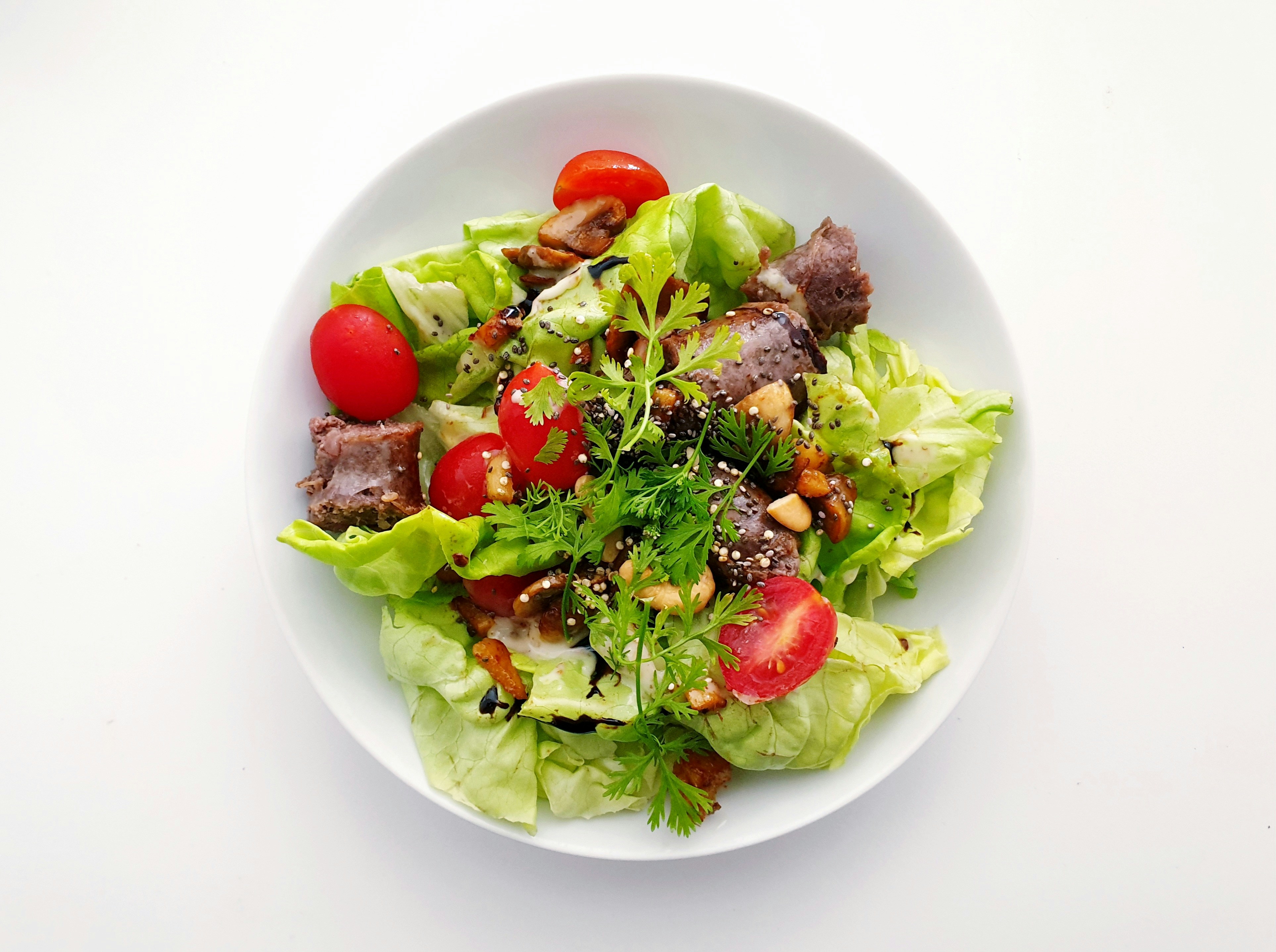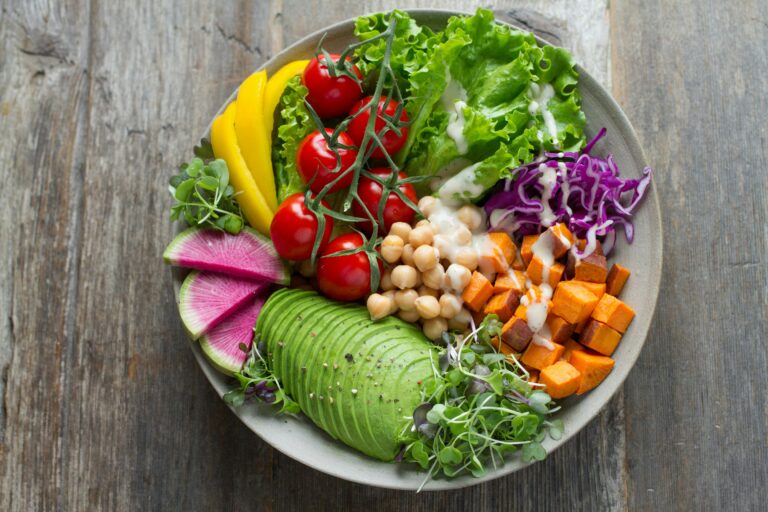
The era of relying purely on a chef’s culinary instinct to dictate seasonal menus has officially ended. As the third quarter of 2026 begins, national restaurant chains are abandoning gut feelings in favor of evidence-based commercialization, using granular consumer data to engineer hyper-targeted flavor profiles. The clear winner emerging from this analytical approach is the “swavory” category—a meticulously calculated collision of sweet and savory notes designed to trigger specific multisensory consumer responses.

Operators are facing unprecedented pressure to deliver memorable dining experiences that justify rising menu prices. To achieve this, supply chain partners are innovating rapidly to provide agile ingredient solutions. Solina’s recent acquisition of Epicurean Butter highlights a major industry shift toward premium, ready-to-deploy compound ingredients. These components allow high-volume kitchens to execute complex, global flavor profiles—such as miso-glazed proteins or Filipino-inspired pork—without adding labor overhead or complicating the prep line.
“Diners today are chasing flavor-escapism, demanding complex, layered bites that feel impossible to replicate in their own home kitchens,” notes Julian Mercer, Head of Culinary Strategy at a national fast-casual group. “If you launch a new item that lacks textural tension or a surprising flavor contrast, the data shows it will flatline within two weeks. ‘Swavory’ hits that exact neuro-gastronomic sweet spot.”
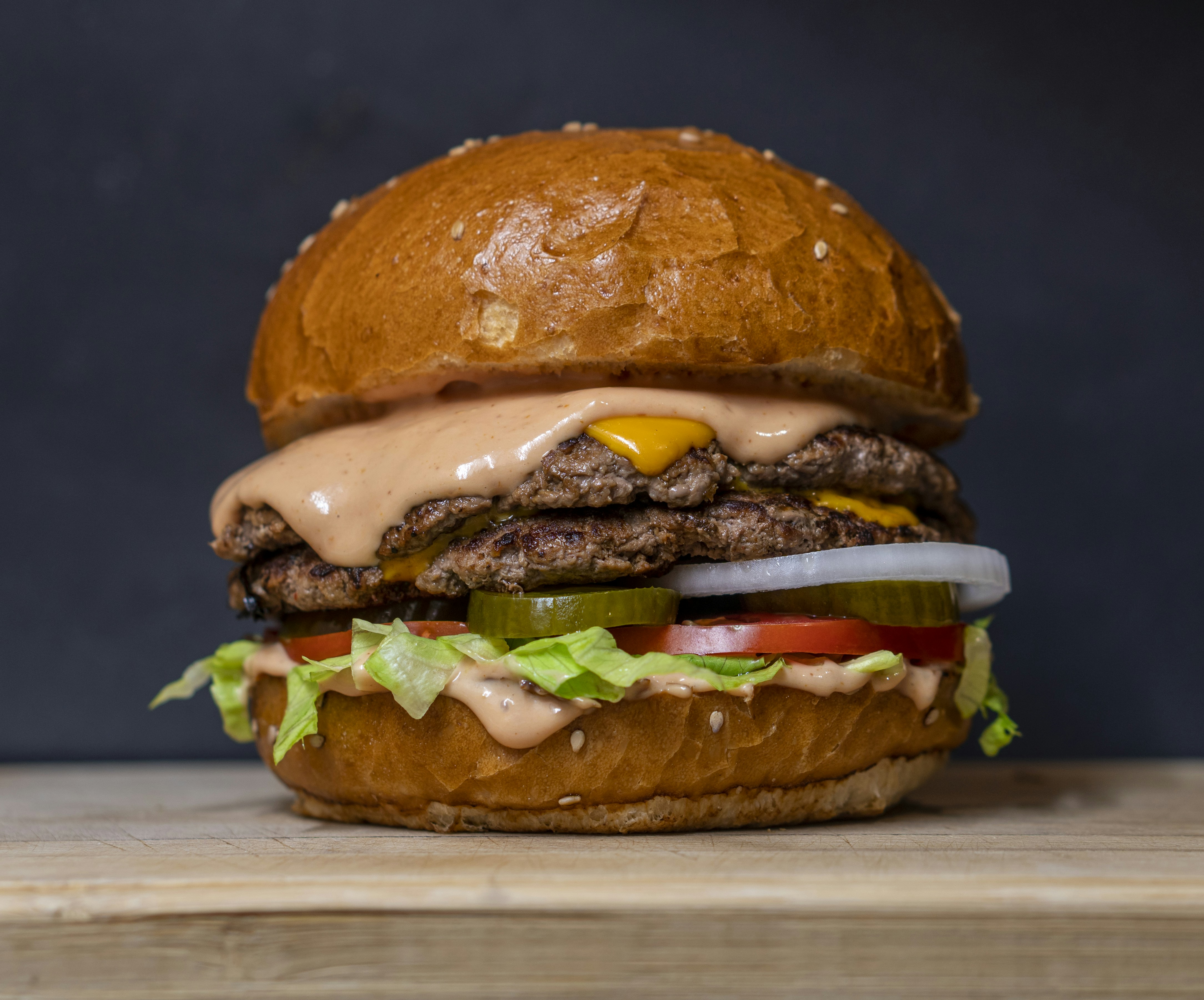
The most successful menu updates currently rely on limited-time “guest ingredients” that introduce global spices into familiar comfort food formats. This strategy allows operators to test boundary-pushing concepts without disrupting core operational flow. As the remainder of the year unfolds, menus will likely feature shorter, more aggressive rotation cycles, heavily dependent on pre-mixed glazes, fermented sauces, and specialized compound butters that deliver high-impact flavor at scale.