The global food supply chain, a complex tapestry of interconnected operations, faces an escalating and increasingly sophisticated adversary: fraud. Far from being isolated incidents, food fraud represents a systemic threat, eroding billions in revenue annually, devastating brand equity, and, critically, endangering public health. As highlighted by industry risk analyses, including perspectives from firms like Lockton, the battle against illicit actors demands a multi-faceted approach, integrating cutting-edge technology with astute geopolitical and logistical risk management strategies to secure the integrity of our food systems.
The sheer scale and globalized nature of modern food supply chains create myriad vulnerabilities that fraudsters expertly exploit. From deliberate mislabeling and substitution with cheaper ingredients to outright counterfeiting and sophisticated cargo theft, the methods are diverse and continually evolving. These illicit activities are not merely opportunistic; they are often perpetrated by organized criminal networks leveraging porous borders, regulatory arbitrage, and the inherent opacity of fragmented supply chains. The economic implications are staggering, estimated by some reports to cost the global industry upwards of $40 billion annually. Beyond the immediate financial drain, the long-term damage to consumer trust and brand reputation can be irreparable, leading to market share erosion and costly product recalls.
The Evolving Geopolitical Risk Landscape
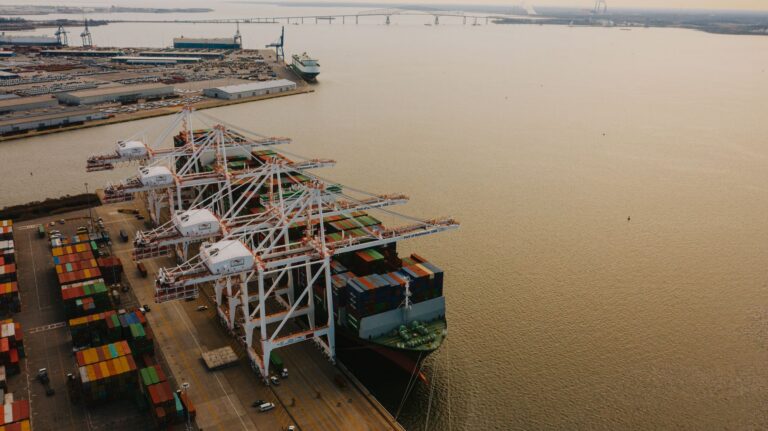
Geopolitical instability directly exacerbates the risk of food fraud. Shifting trade alliances, regional conflicts, and the politicization of logistics corridors create disruptions that criminal enterprises are quick to capitalize on. Diversions in established shipping routes, sudden changes in customs procedures, or the emergence of new, less scrutinized transit points offer fertile ground for illicit operations. Nations grappling with economic stress or weak governance structures often become unwitting hubs for counterfeiters and smugglers. For food businesses, this necessitates a macro-level understanding of global trade dynamics and an active geopolitical hedging strategy that extends beyond currency and commodity markets to encompass operational and logistical resilience. Companies must map potential chokepoints, analyze geopolitical risk scores for critical sourcing regions, and develop redundant supply pathways to mitigate exposure to volatile environments.
Technological Imperatives: Building Data Pipelines for Integrity
Combating this pervasive threat demands a significant leap in technological adoption and integration. The future of food supply chain security lies in real-time, transparent, and immutable data. Here, several technologies are proving indispensable:
- Blockchain and Distributed Ledger Technology (DLT): Offering an indelible, transparent record of every transaction and movement, blockchain can provide irrefutable proof of provenance. From farm to processing plant, through distribution and retail, each step is logged, making it virtually impossible to falsify origins or adulterate products without detection. This cryptographic traceability builds an audit trail that disincentivizes fraud by significantly increasing the risk of exposure.
- Artificial Intelligence (AI) and Machine Learning (ML): These technologies are critical for proactive anomaly detection. By analyzing vast datasets—including procurement records, quality control reports, logistics data, and even social media sentiment—AI algorithms can identify unusual patterns indicative of fraudulent activity. For instance, an AI might flag an unexpected increase in a particular ingredient’s purchase from an unusual supplier, or a discrepancy between stated origin and typical shipping times, long before human auditors could.
- Internet of Things (IoT) Sensors: Integrated throughout the supply chain, IoT devices provide real-time environmental monitoring and location tracking. Temperature, humidity, pressure sensors, and GPS trackers attached to cargo or individual products can ensure integrity from farm to shelf. Any deviation from prescribed conditions or unauthorized route changes triggers immediate alerts, indicating potential tampering or compromised conditions that could lead to spoilage or adulteration.
- Advanced Data Analytics and Integration Platforms: The power of these individual technologies is amplified when their data streams are consolidated and analyzed holistically. Robust data pipelines are essential for aggregating disparate data points—from supplier certifications and laboratory test results to shipping manifests and customs declarations—into a single, coherent operational picture. This integrated view allows for predictive analytics, enabling companies to anticipate vulnerabilities and fortify defenses before fraud occurs.
The Role of Risk Transfer and Strategic Advisory
While preventative measures are paramount, the reality is that no system is entirely impervious. This underscores the critical role of robust risk transfer mechanisms. Specialized insurance solutions, often championed by risk advisory firms, offer a financial safety net against the repercussions of fraud. This includes product recall insurance, cargo insurance covering theft or contamination, and even cyber insurance to protect against data breaches that could compromise traceability systems. However, effective risk transfer goes beyond simply purchasing policies; it involves a sophisticated understanding of a firm’s unique risk profile, necessitating detailed due diligence and the establishment of comprehensive crisis management protocols. Strategic advisory in this domain helps companies understand their residual risk and develop tailored solutions that align with their enterprise-wide risk management framework.
A Strategic Imperative for Resilience
Ultimately, combating fraud in the global food supply chain is not merely a compliance burden but a strategic imperative for long-term business resilience and market leadership. The sophisticated nature of modern fraud demands a shift from reactive problem-solving to proactive, data-driven security architectures. Food and beverage industry leaders must champion the integration of advanced technologies, foster cross-sector collaboration for intelligence sharing, and develop agile risk management strategies that account for geopolitical volatility. Only through such a comprehensive and forward-looking approach can the industry safeguard its products, protect its consumers, and ensure the enduring integrity of the food we consume in an increasingly complex world.