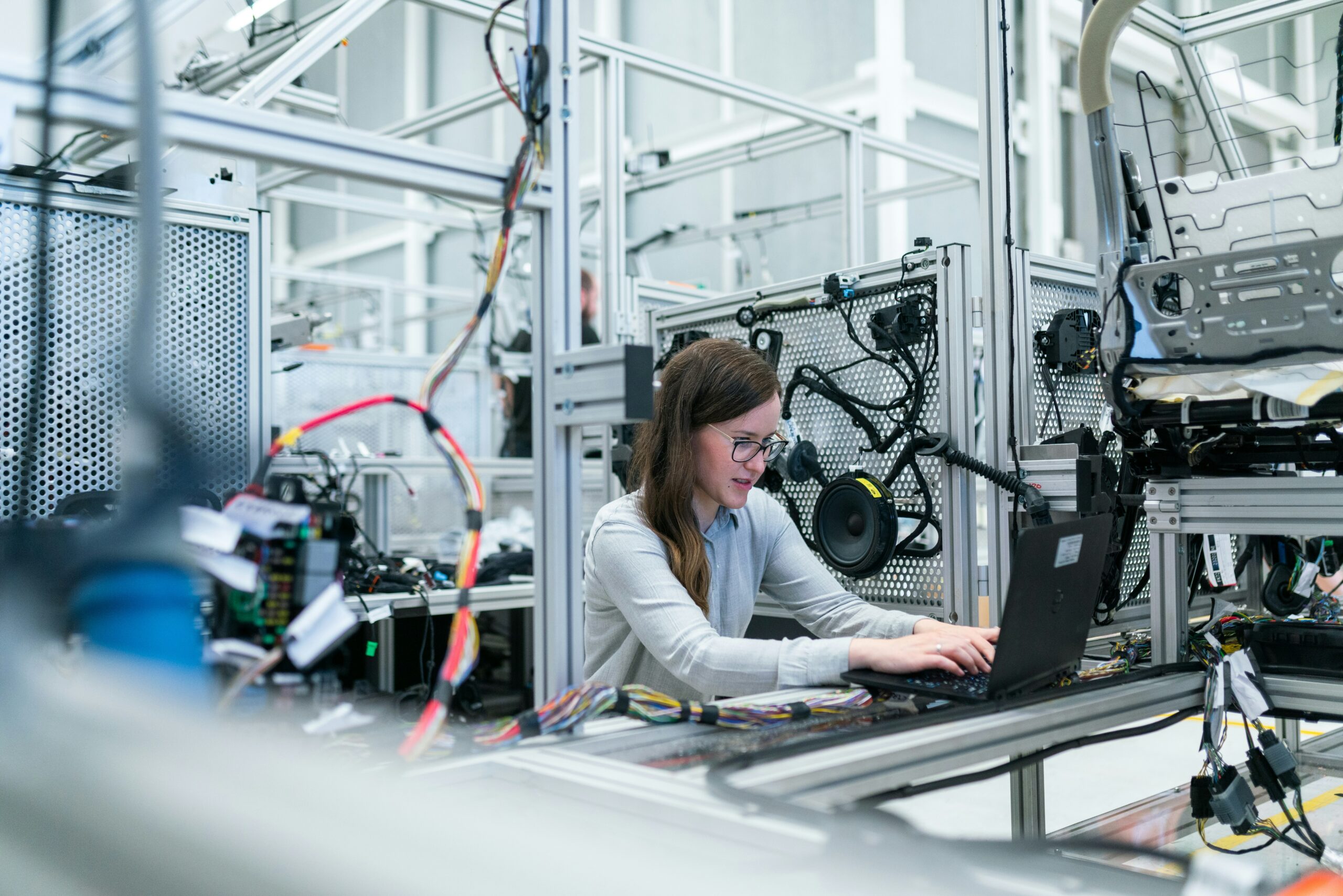
The narrative around kitchen automation has completely flipped. We are officially out of the gimmicky, ‘R&D sandbox’ phase. As we move into Q3 2026, robotics are no longer a futuristic PR stunt; they are the fundamental baseline for QSR scalability. The massive catalyst driving this adoption curve is the explosive rise of the ‘cobot’—collaborative robots engineered not to replace human workers entirely, but to augment them by stripping out the most dangerous, high-turnover friction points in the commercial kitchen.
The economics driving this shift are undeniable. With human labor floors stabilizing well above the $18-per-hour mark in major urban markets, the ROI threshold for hardware deployment has been permanently crossed. We are seeing a massive 61% year-over-year surge in automated frying stations, robotic pizza assembly matrices, and AI-vision QA scanners across the US, Japan, and South Korea. These systems do not require breaks, they do not call out sick, and most importantly, they execute the exact same algorithmic recipe with zero variance, protecting the brand’s core product consistency.
“The tipping point wasn’t just the hardware getting cheaper; it was the software getting exponentially smarter,” explains David Kross, Founder of a San Francisco-based food-robotics startup. “A fry-cook robot in 2022 was basically a pre-programmed mechanical arm. Our 2026 models utilize real-time computer vision and machine learning to analyze the thermal decay of the oil and the exact moisture content of the fries, adjusting cook times dynamically. We aren’t just saving the operator labor hours; we are objectively cooking a better, more consistent product than a human ever could.”
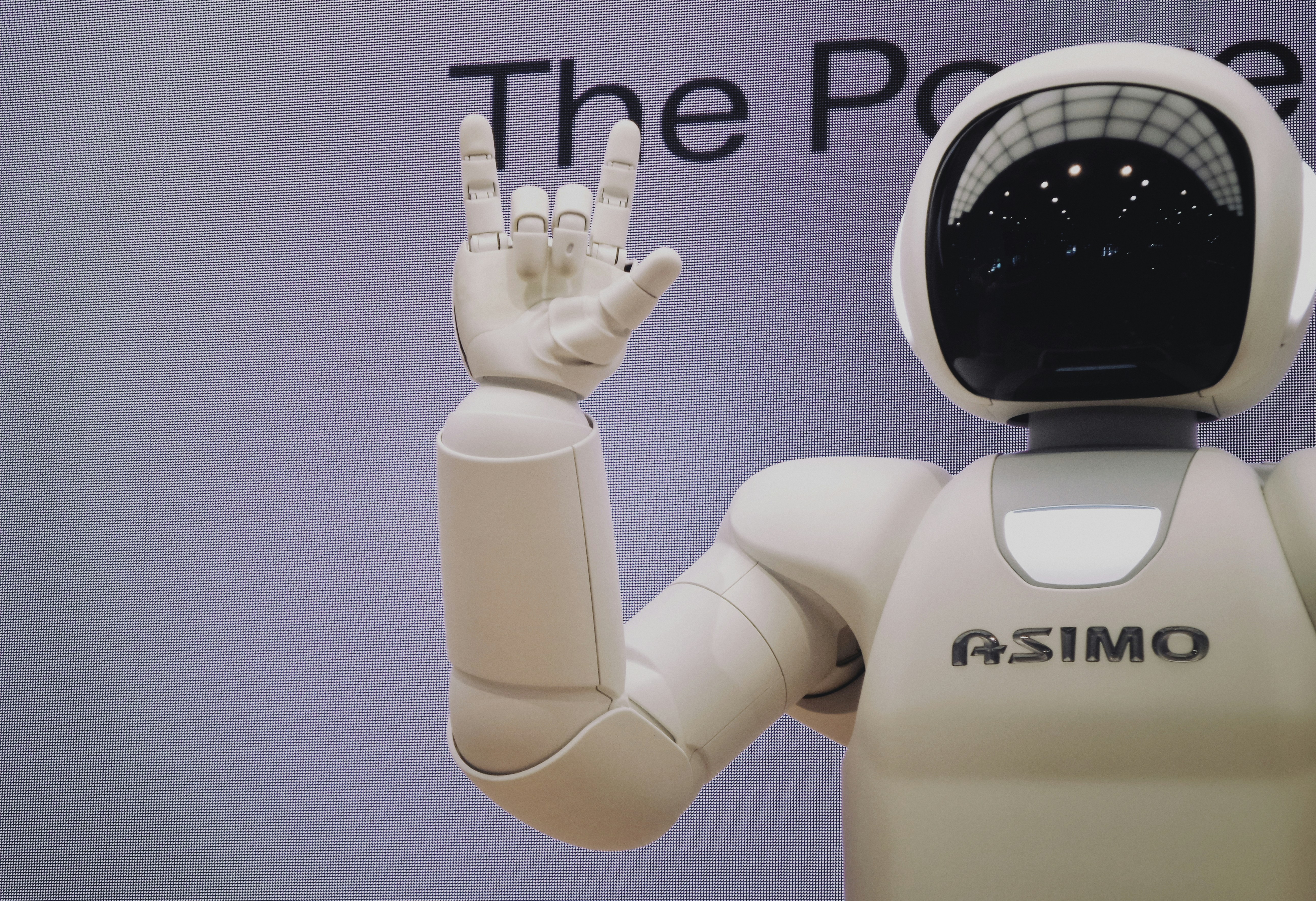
For forward-thinking franchise operators, deploying a cobot fleet is the ultimate moat. The tech stack is seamlessly integrated: the AI drive-thru takes the order, the predictive analytics engine routes it to the automated makeline, and the cobot executes the heavy lifting, leaving the human staff to focus entirely on quality control and high-touch customer hospitality. If you are operating a legacy kitchen in 2026 relying entirely on manual, repetitive human labor, your unit economics are already obsolete.