We’ve officially crossed the chasm. The foodservice sector has spent the last few years playing in the sandbox with artificial intelligence, deploying flashy gimmicks that looked great in a pitch deck but rarely moved the needle. As we surge through Q3 of 2026, the narrative has violently shifted: AI in the restaurant space is no longer about novelty—it’s strictly about hard financial outcomes and massive ROI.

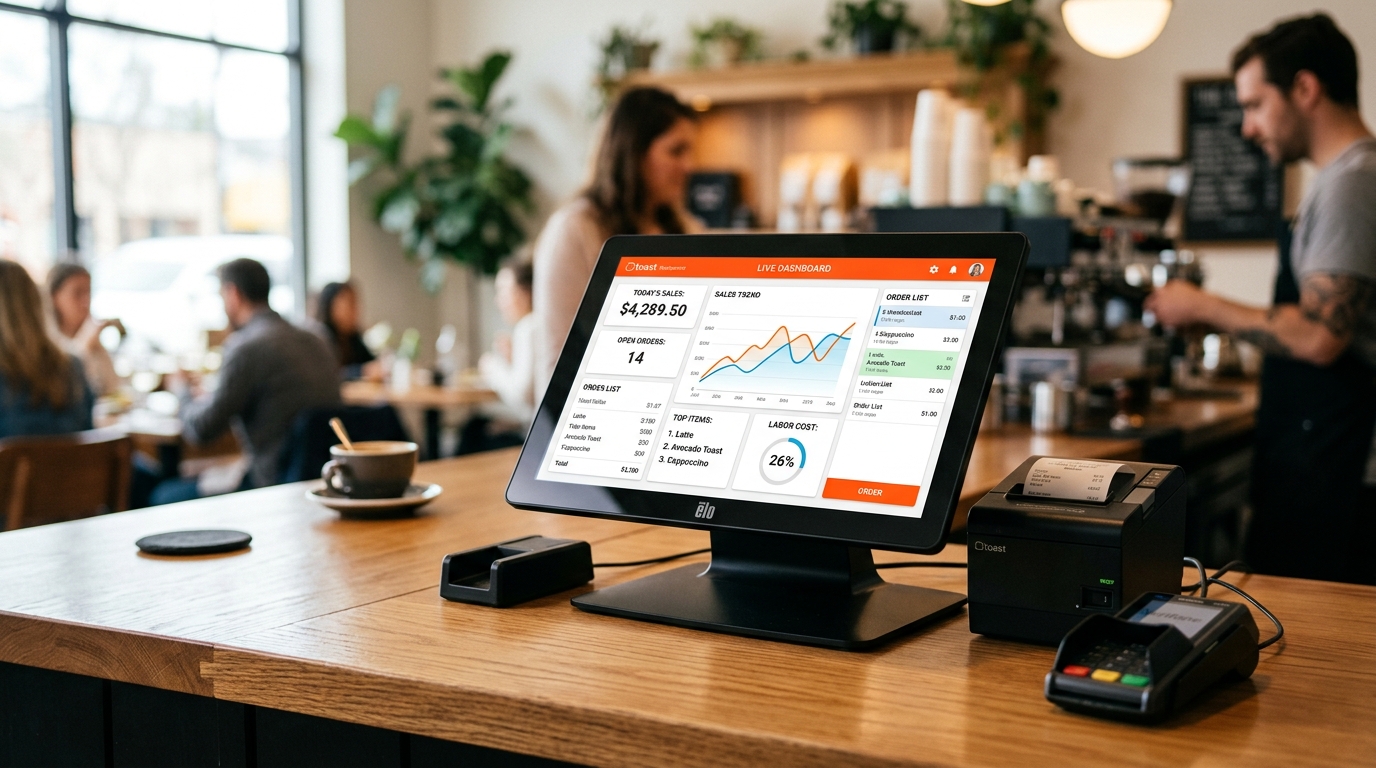
The smartest franchise operators are treating automation as an operational copilot rather than a futuristic threat to human capital. Instead of replacing the front-of-house hospitality experience, tech stacks are ruthlessly optimizing the back-office. Platforms like Toast and Restaurant365 are evolving into end-to-end operating systems that leverage machine learning for predictive labor scheduling, dynamic demand forecasting, and automated invoice scanning via computer vision. It’s all about eliminating the friction of manual data entry so managers can actually manage.

“We stopped asking what AI could do for our marketing and started asking what it could do for our EBITDA,” shared the CTO of a rapidly scaling fast-casual syndicate. “By deploying predictive prep-level algorithms, we’ve slashed our food waste by 18% while simultaneously reducing our kitchen labor hours during low-volume sprints. It’s a game-changer for unit economics.”

For mid-market players and emerging syndicates, this democratization of enterprise-grade analytics means the playing field is leveling out. You no longer need a hundred-person engineering squad to operate like a national giant. As we look toward major industry summits like Transform 2026, the mandate is clear: adopt a unified, AI-driven operating system or get left in the dust by competitors who are quietly optimizing their way to record profitability.