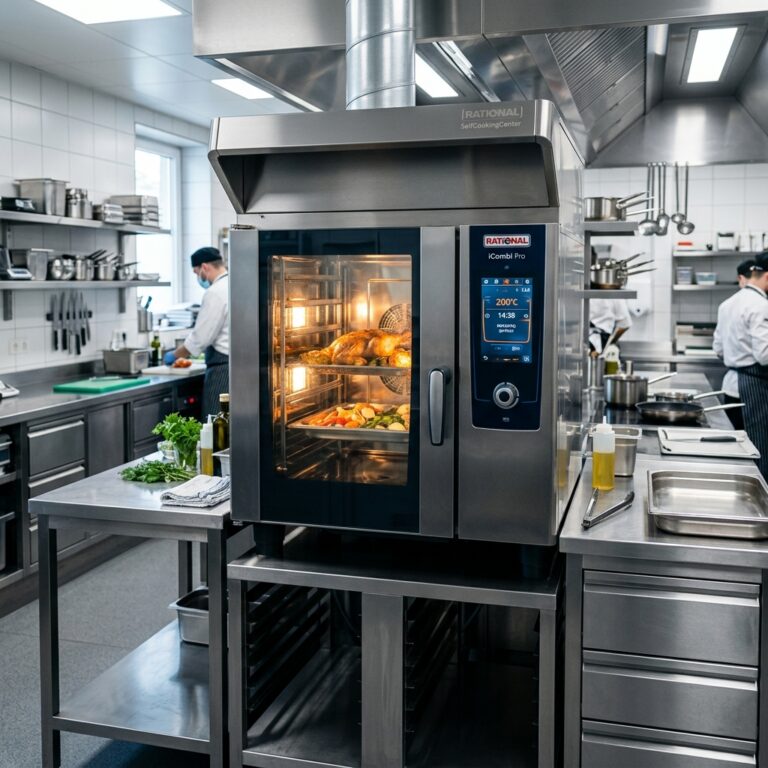
The transition of the Quick-Service Restaurant (QSR) sector’s menu infrastructure is largely complete. As of mid-2026, an estimated 82% of fast-food menu boards are fully digitized. While publicly positioned as a tool for visual enhancement and operational efficiency, the primary financial function of this infrastructure is clear: it acts as a real-time, algorithmic pricing engine designed to defend gross margins against structural inflation.
The industry learned a severe public relations lesson in early 2024 following consumer backlash over the explicit mention of ‘surge pricing.’ Consequently, the current implementation of dynamic pricing is executed with surgical discretion. Operators are utilizing integrated Point of Sale (POS) and inventory management systems to deploy ‘time-of-day’ pricing algorithms. These systems subtly adjust the cost of high-demand items during peak dayparts (e.g., the breakfast-to-lunch transition) while dynamically generating promotional combos during off-peak hours to stimulate traffic.
“The data confirms that broad, across-the-board menu price increases are toxic to traffic volume in the current macroeconomic environment,” states an equity analyst covering the restaurant sector. “By utilizing machine learning to forecast localized demand patterns, operators can execute micro-adjustments—adding 15 cents to a premium sandwich during a rush while maintaining a heavily advertised $5 value bundle. It effectively subsidizes the loss-leaders without triggering consumer price fatigue.”

The financial modeling supports this strategy. Chains leveraging AI-driven pricing algorithms report a measurable reduction in food waste and a stabilization of net margins, proving that when executed quietly and combined with perceived value, dynamic pricing is the definitive financial stabilizer for the 2026 QSR landscape.