LOS ANGELES, CA – California’s much-touted minimum wage increase for fast food workers, elevating pay to a hefty $20 per hour, has swiftly ushered in a brutal reality check for the industry. A recent report by the California Business and Industrial Alliance (CABIA), amplified by KRCR, claims a staggering 10,000 fast food jobs have been eliminated across the state since Governor Newsom signed AB 1228 into law. This isn’t just a political talking point; it’s a direct operational gut punch to businesses already running on razor-thin margins, forcing an immediate and drastic re-evaluation of staffing models, automation strategies, and the very definition of ‘lean’ operations.
Let’s be clear: when labor costs jump by a quarter or more overnight, businesses don’t absorb it out of the goodness of their hearts. They react. And in the high-volume, low-margin world of quick-service restaurants, that reaction is often swift, calculated, and painful for the workforce. The premise was noble—to provide a living wage. The consequence, however, is a colder, harder truth: fewer jobs for more money, shifting the operational burden squarely onto the shoulders of remaining staff and accelerating the push towards a more automated, less human-centric future.
The Immediate Aftermath: A Souring Labor Market
The numbers, if accurate, paint a grim picture. Ten thousand jobs isn’t a rounding error; it’s a significant segment of the fast food labor force. These aren’t corporate titans making abstract cuts; these are often small business franchisees, local entrepreneurs whose entire livelihood depends on balancing the books. They operate on tight budgets, and a sudden, mandated 25% increase in their primary variable cost—from the previous state minimum of $16/hour to $20/hour—leaves precious little room for maneuver. For many, the only viable option for margin defense has been the immediate reduction of headcount, a freeze on new hires, or a drastic curtailment of hours for existing employees. The data suggests that for every dollar added to the wage, a job somewhere in the system became untenable.
This isn’t about anti-worker sentiment; it’s about cold, hard economics. Every operator I speak with understands the pressure to provide fair compensation. But when the jump is this steep, this sudden, it breaks the back of existing business models. Many establishments simply cannot generate enough additional revenue to cover such a dramatic cost increase without fundamentally altering their operational structure or pricing themselves out of their market.
Operational Pivot: The Unavoidable March Towards Leaner Models
The mandate has effectively accelerated a trend that was already underway: the adoption of lean operational strategies and automation. For years, we’ve preached the gospel of efficiency, cross-training, and technology integration. Now, it’s not a recommendation; it’s an imperative for survival. Operators are no longer just considering self-ordering kiosks; they’re installing them. They aren’t merely contemplating robotic fryers; they’re actively sourcing them. Drive-thru automation, AI-powered scheduling, sophisticated inventory management that minimizes waste—these are no longer ‘nice-to-haves’ but ‘must-haves’.
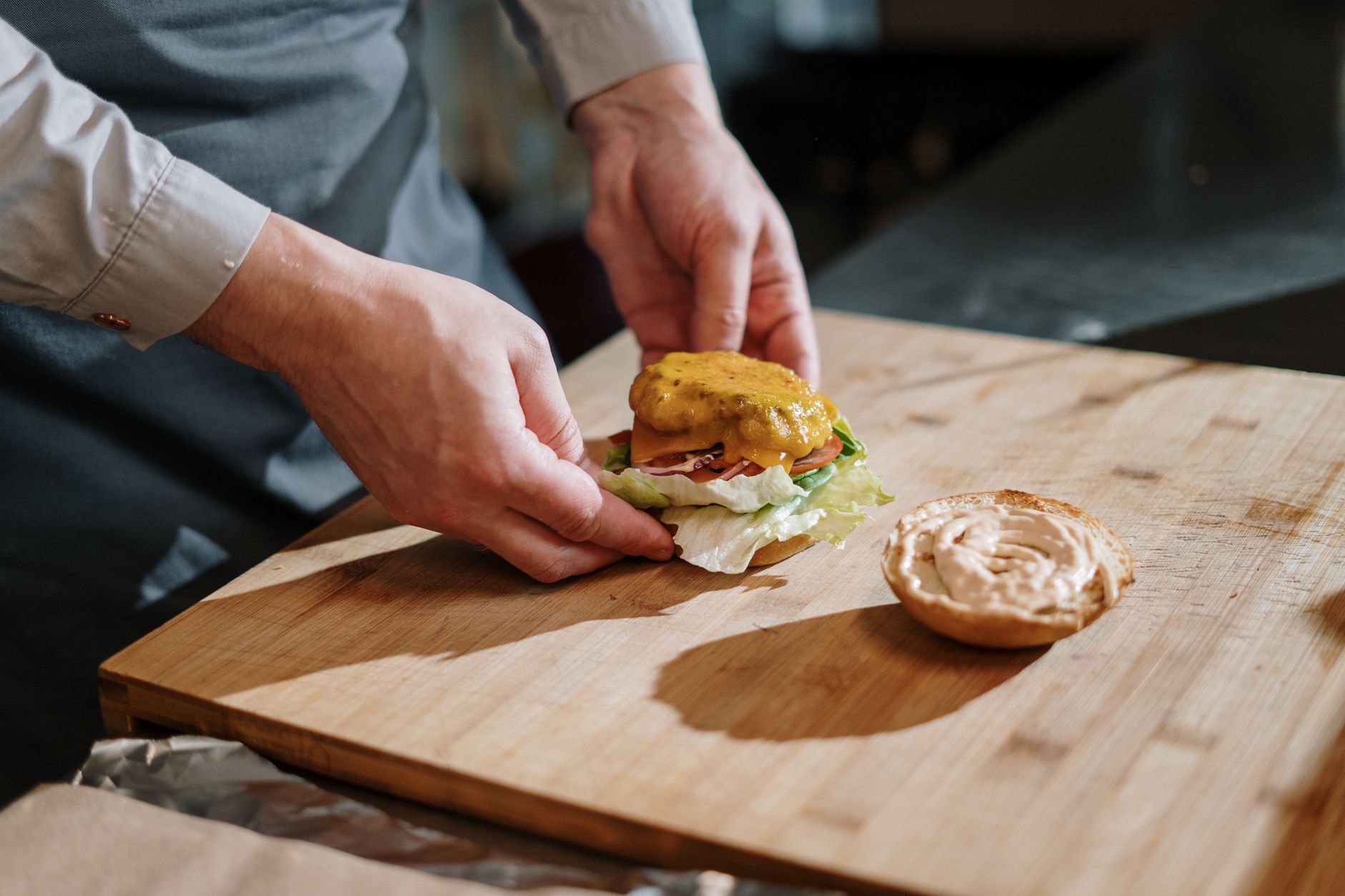
The impact on kitchen labor costs is particularly acute. Back-of-house operations, traditionally labor-intensive, are being scrutinized with an intensity unseen before. How many prep cooks do you truly need if ingredients arrive pre-portioned? Can a single multi-tasking worker manage both fry station and grill during off-peak hours? These are not hypothetical questions; these are daily dilemmas being solved with an eye toward brutal efficiency. This means fewer hands on deck, requiring the remaining staff to be more highly skilled, more versatile, and capable of handling greater workloads. The “unskilled” labor pool is shrinking, not by choice, but by economic necessity.
Margin Defense: A Battle for Survival
The fast food industry typically operates on net profit margins ranging from 3% to 7%. A 25% surge in labor costs directly attacks the core of that profitability. For many, it’s not a question of reducing profit but preventing losses. This leaves operators with a few unpalatable choices, none of which are easy:
- Price Hikes: Pass the cost onto the consumer. But how much can the market bear before customers simply stop coming or opt for cheaper alternatives? We’re already seeing menu prices creep up, adding to inflationary pressures for the very consumers these policies aimed to help.
- Reduce Portions/Quality: A dangerous game that quickly erodes brand loyalty and customer satisfaction.
- Cut Non-Labor Costs: Scrutinize every line item, from utility usage to ingredient sourcing. Demand better deals from suppliers. Optimize energy consumption.
- Increase Volume: Drive more sales. Easier said than done in a saturated, competitive market.
The most immediate and controllable lever, regrettably, is labor. This isn’t some abstract concept for corporate bean counters; it’s the daily reality for franchisees trying to keep their doors open. Every payroll cycle becomes a direct confrontation with the new economic model, demanding that every dollar spent on labor generates demonstrable, immediate value.
The Broader Implications: A Warning for the Industry
California, often a trendsetter, is providing a stark blueprint for what happens when policy outpaces economic reality. This isn’t just a West Coast problem; it’s a bellwether for any state contemplating similar legislative moves. The lesson is clear: increasing minimum wages without a corresponding increase in productivity or a viable economic model for businesses to absorb the shock will inevitably lead to job displacement and an accelerated shift towards automation.
For food and beverage operators nationwide, this report should serve as a wake-up call. It’s time to rigorously stress-test your own operational models against hypothetical wage increases. Invest in technology now, not later. Train your existing staff to be multi-faceted and highly efficient. Analyze every single task in your kitchen and front-of-house for opportunities to streamline and automate. Your ability to defend your margins, and indeed your very existence, may depend on how aggressively you embrace lean principles and technological adaptation.
The future of fast food labor, at least in California, is becoming clearer: higher wages for fewer, more skilled, and often tech-supported jobs. For those who remain, the work will be more demanding. For those who don’t, the path to re-employment in this sector will be harder. This isn’t a judgment; it’s the brutal, undeniable truth of market forces reacting to legislative intervention. Operators who ignore these signals do so at their peril.