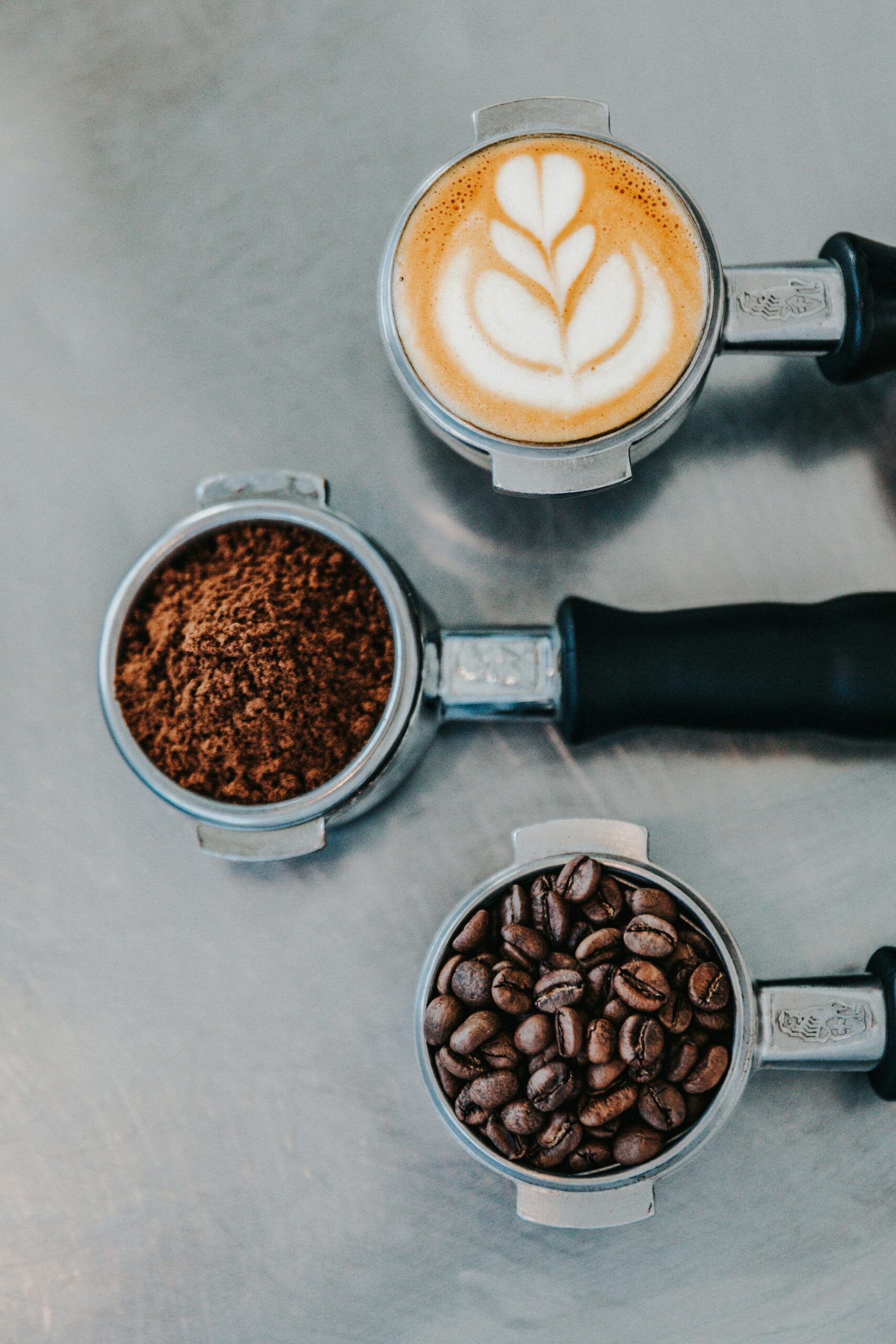
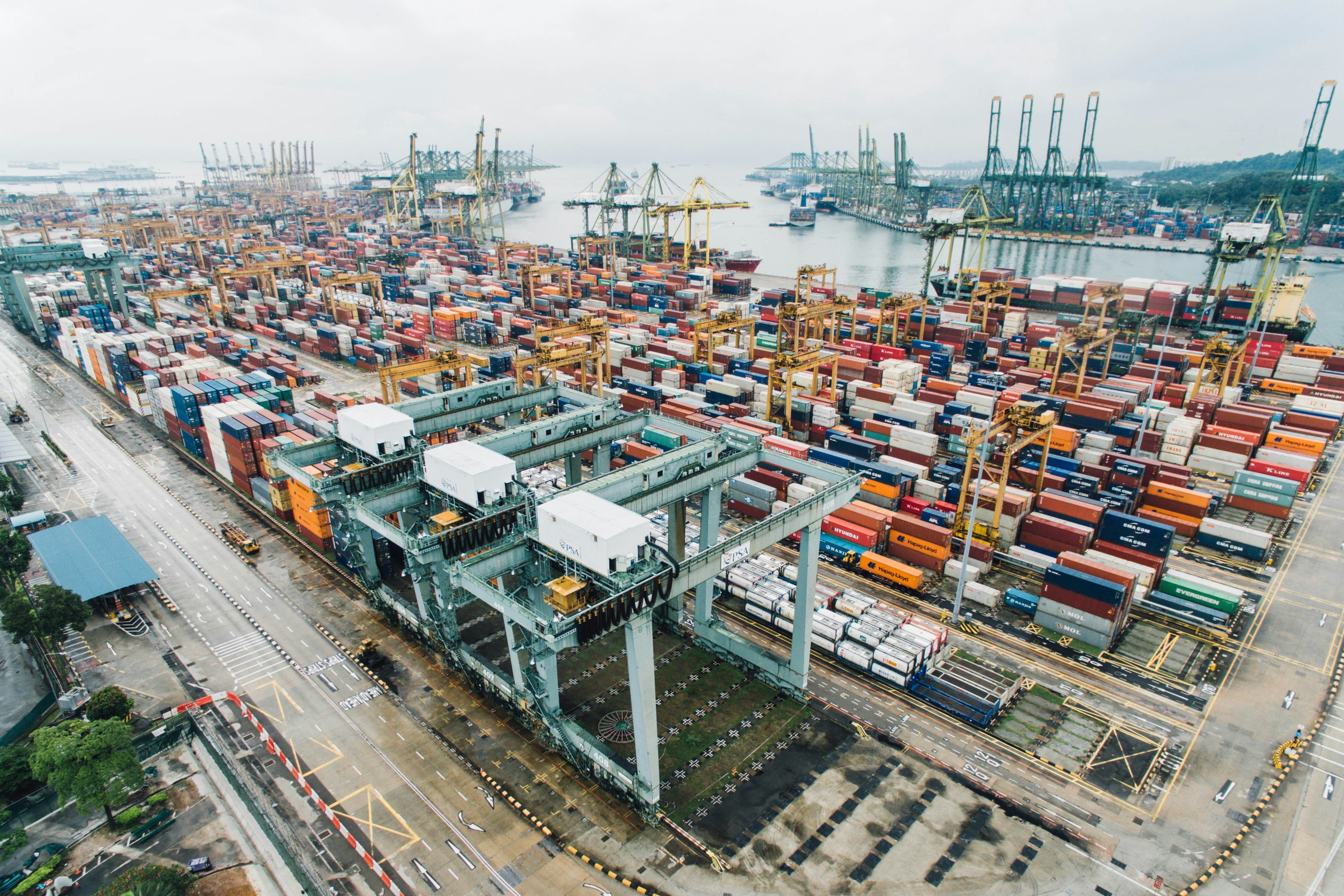
On paper, the mid-2026 global coffee market is projecting a surplus heading into the 2026/27 harvest season. But looking at the spot market, the reality for global Quick-Service Restaurant (QSR) chains is one of persistent, high-wire volatility. Between ongoing geopolitical shipping blockades in the Red Sea and an extreme market sensitivity to minor weather anomalies in Brazil, the traditional Arabica supply chain remains incredibly fragile. In response, massive corporate capital is aggressively seeking ways to decouple the morning cup from the whims of international geopolitics and climate collapse.
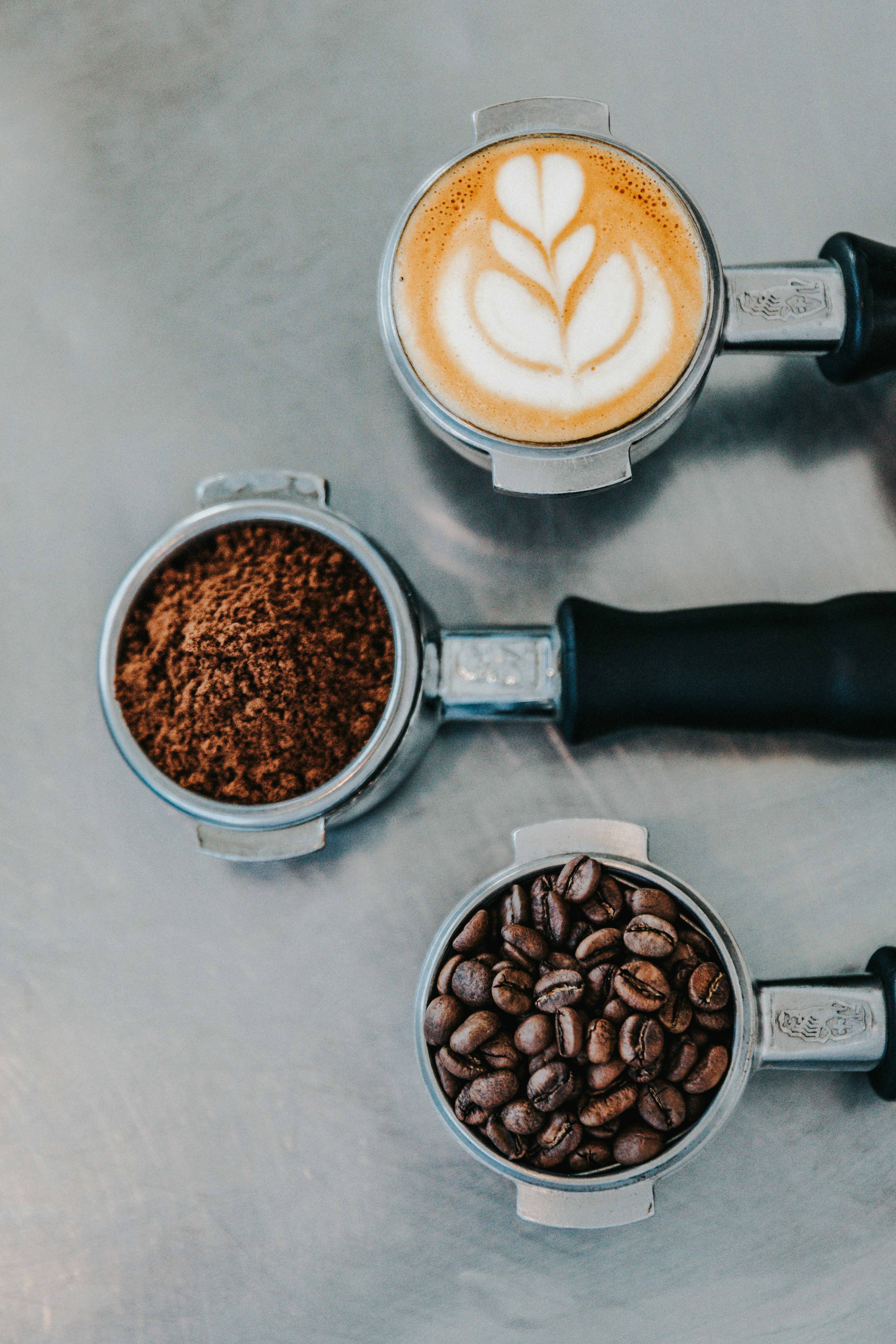
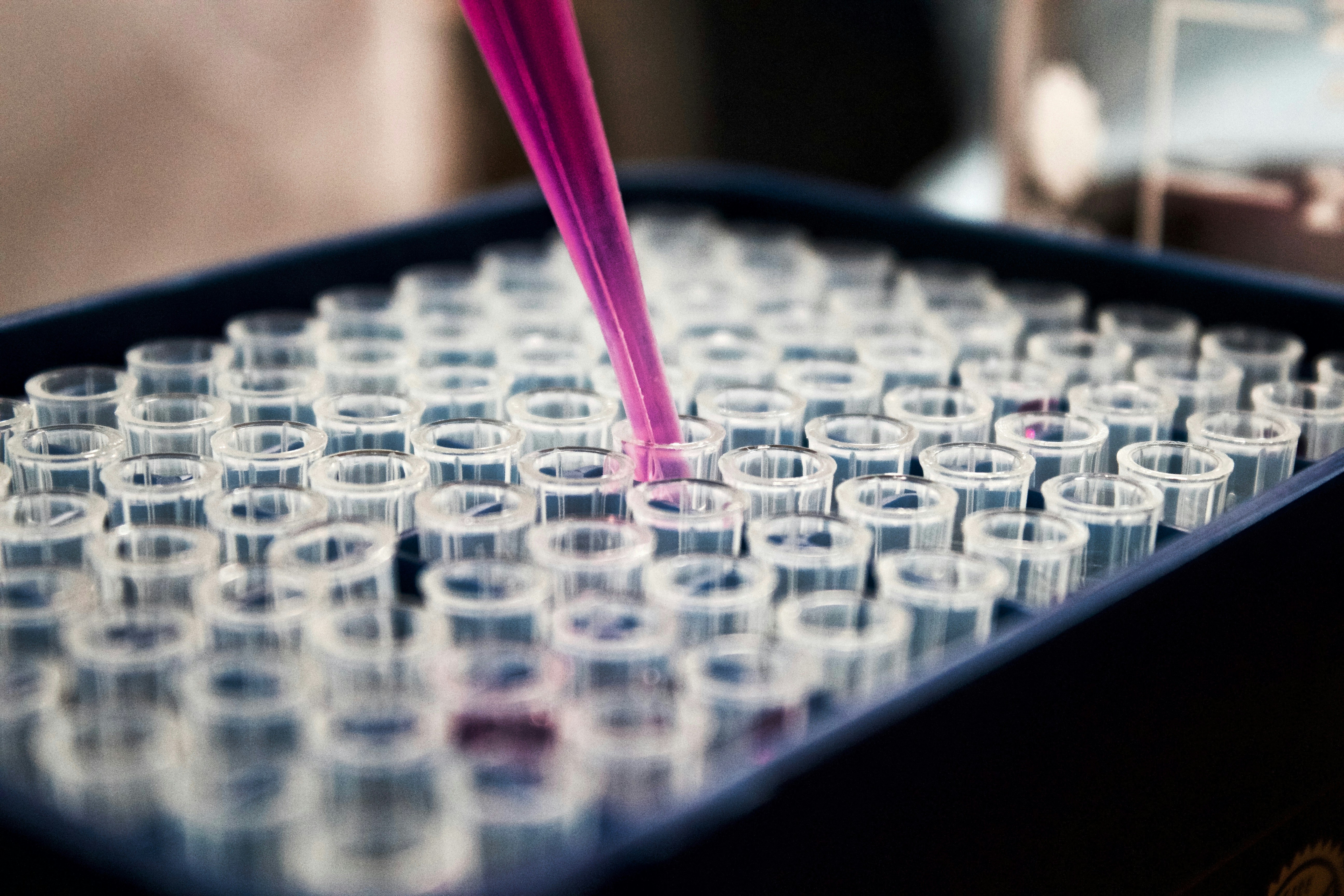
The immediate mitigation strategy has involved planting climate-resistant tree variants and shifting blend ratios to heavily favor robusta. However, a far more radical fail-safe is gaining traction in corporate boardrooms: synthetic, ‘beanless’ coffee. Food-tech startups utilizing biotechnology to upcycle agricultural waste—such as date seeds and chicory—into high-fidelity, lab-formulated coffee are no longer viewed as niche sustainability plays. They are being evaluated as strategic hedges against future supply shocks.
“We cannot run a global beverage empire when a localized frost in Minas Gerais or a drone strike in a global shipping lane threatens to wipe out our quarterly margins,” states a procurement director for a top-tier international coffee chain. “Investing in biotech solutions that reverse-engineer the molecular profile of coffee without the underlying agricultural risk is not science fiction. It is a necessary defensive posture to ensure supply chain continuity over the next decade.”
While consumer adoption of ‘synthetic’ coffee remains a hurdle, the integration is happening covertly. Chains are actively testing these lab-formulated compounds as functional additives in heavily flavored, high-margin iced beverages, masking the synthetic origin while slowly desensitizing the supply chain to traditional agricultural constraints. The race to engineer a disruption-proof cup of coffee has officially accelerated.