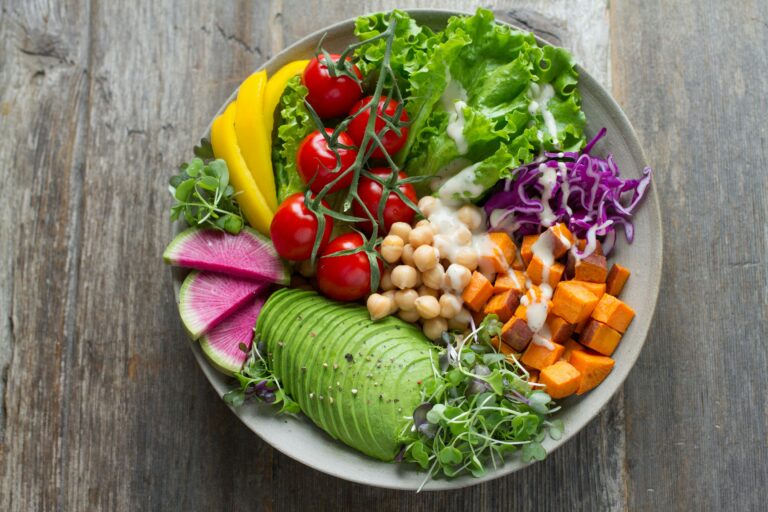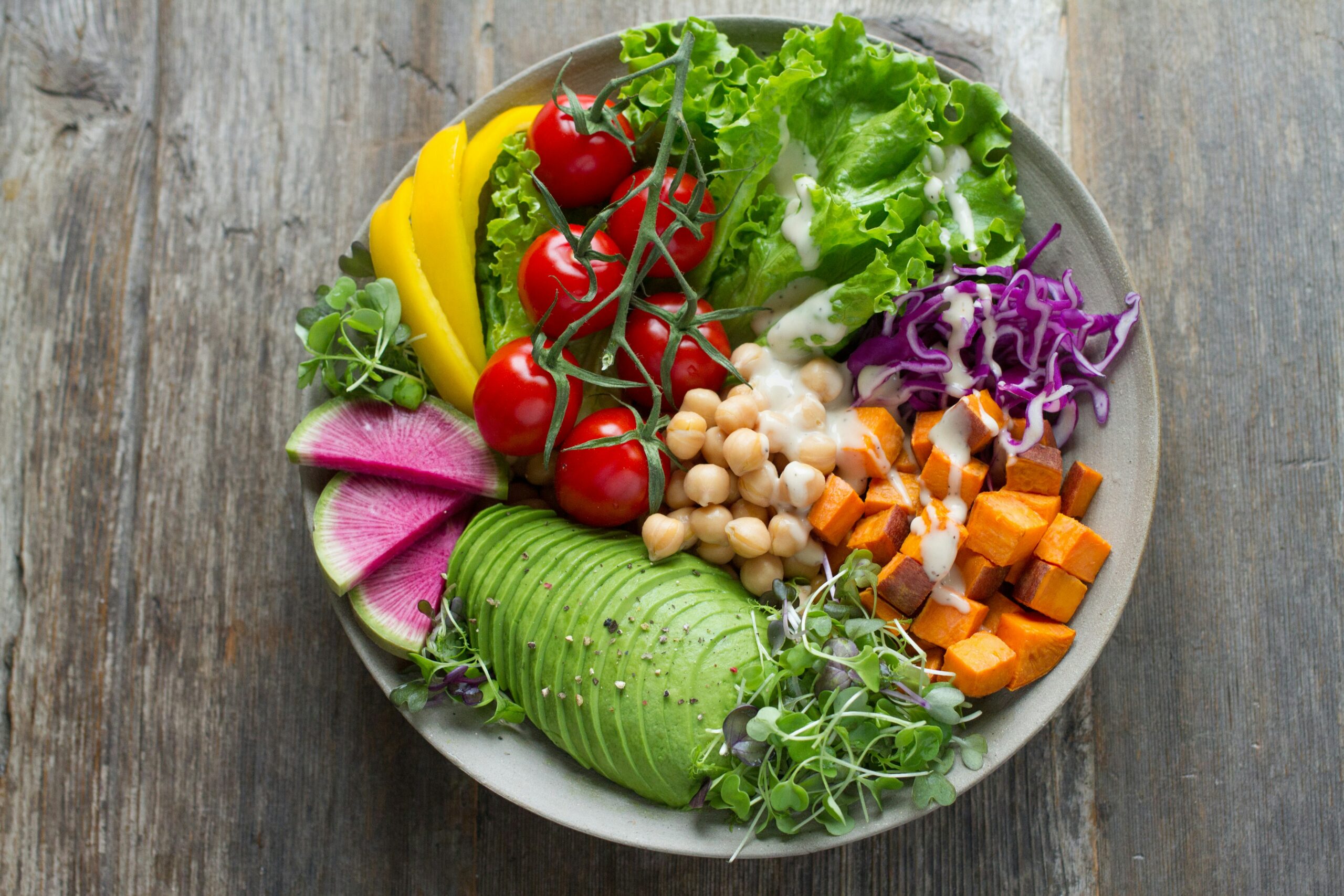
The fast-casual salad sector has historically been plagued by high labor friction and bottlenecked makelines. But in 2026, Sweetgreen is aggressively re-architecting the very concept of restaurant throughput. The core engine driving this operational pivot is the ‘Infinite Kitchen’—a fully automated, robotic assembly system that is currently being deployed in roughly 50% of all new Sweetgreen retail builds. This is not just an incremental kitchen upgrade; it is a fundamental leap toward treating food assembly like a high-speed, precision manufacturing process.
What makes Sweetgreen’s 2026 automation strategy so fascinating is their agile capital pivot. Late last year, the company made the incredibly savvy decision to divest Spyce, their robotics hardware division, to the food delivery platform Wonder for $186.4 million. Rather than burning cash on R&D and hardware manufacturing, Sweetgreen flipped to a licensing model. They secured the capital injection while simultaneously securing the rights to deploy the technology across their footprint. It is a textbook ‘asset-light’ software-as-a-service (SaaS) mindset applied to heavy kitchen robotics, allowing them to scale the Infinite Kitchen rapidly without the drag of hardware overhead.
“The Infinite Kitchen isn’t replacing the human element; it’s optimizing the entire operating system of the restaurant,” argues venture capitalist and FoodTech analyst Maya Lin. “By offloading the repetitive, low-margin task of tossing lettuce and dispensing dressing to a robotic arm, the human crew is freed up to focus on hospitality, prep quality, and high-touch customer interactions. Sweetgreen is effectively doubling their throughput capacity during peak lunch hours while stabilizing their labor ratios. It’s a massive unlock for their unit economics.”

As Sweetgreen executes its ‘Sweet Growth Transformation Plan’ throughout 2026, the Infinite Kitchen serves as the ultimate competitive moat. Competitors still relying entirely on manual assembly simply will not be able to match the speed, portion consistency, and margin profile of a tech-enabled, automated food factory.