The restaurant industry, a bastion of human touch and culinary artistry, is on the precipice of its most profound transformation yet. Fuelled by relentless innovation from the startup ecosystem and the rapid maturation of AI technologies, intelligent tools are no longer a futuristic fantasy but a present-day imperative. From optimizing intricate back-of-house logistics to revolutionizing personalized customer engagement, Artificial Intelligence is swiftly becoming the bedrock for operational excellence and unprecedented scalability across the Food & Beverage landscape. This isn’t merely an incremental upgrade; it’s a fundamental paradigm shift, demanding strategic foresight and agile adoption from every player aiming for sustained growth and competitive advantage in the digital age.
Unlocking Unprecedented Operational Efficiency with Intelligent Automation
At the heart of AI’s ascendance in restaurants lies its unparalleled ability to streamline operations, transforming bottlenecks into smooth, data-driven workflows. Forget manual inventory counts and reactive scheduling; we’re talking about predictive intelligence that anticipates demand with astonishing accuracy. AI-powered inventory management systems analyze historical sales data, seasonal trends, and even local events to optimize purchasing, drastically reducing waste and spoilage – a significant blow to bottom-line profitability in a notoriously high-margin industry. This precision extends to the supply chain, where AI algorithms identify optimal delivery routes and potential disruptions, ensuring freshness and continuity.
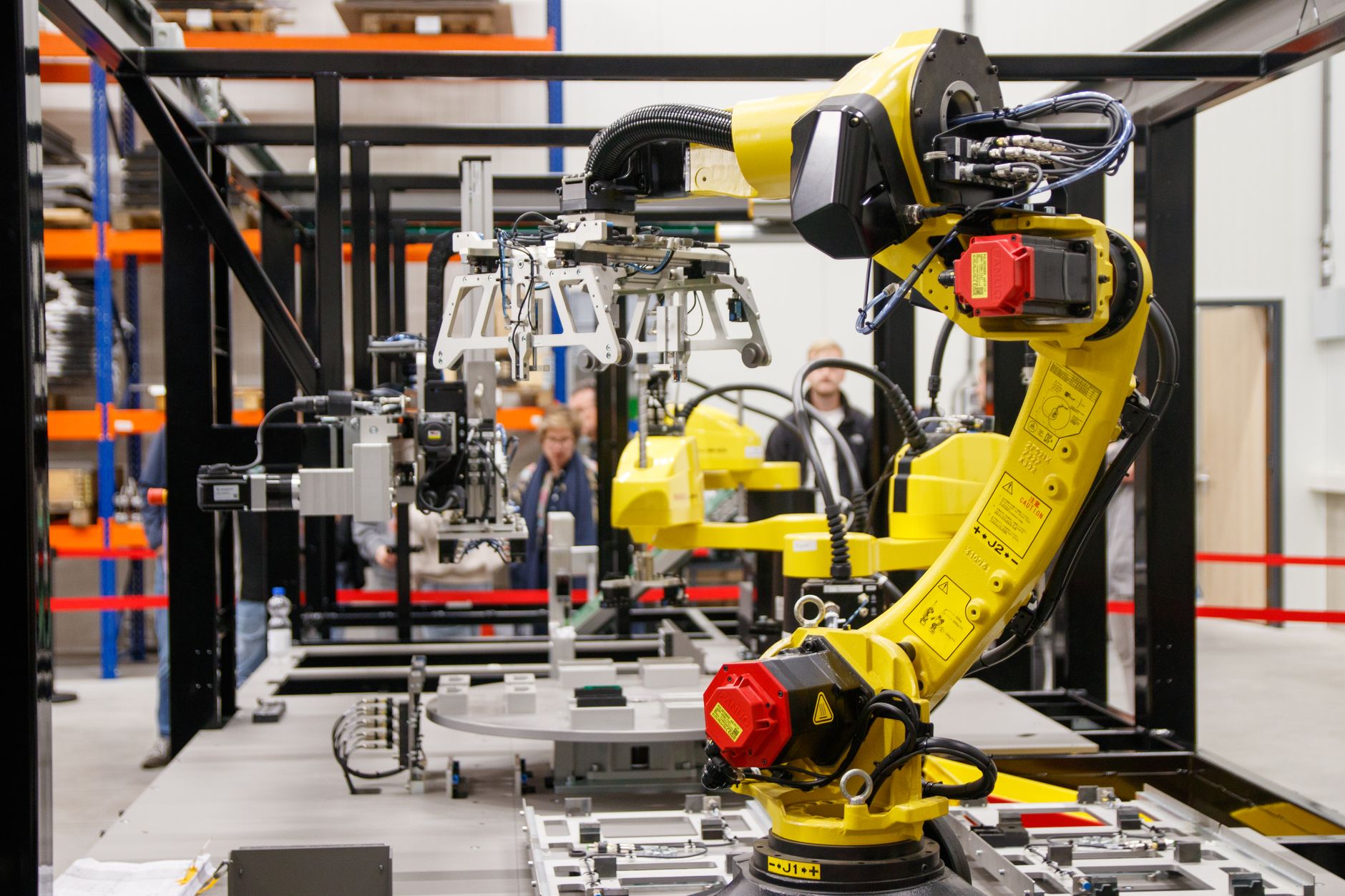
Beyond the storeroom, AI is reshaping the very fabric of kitchen operations. Computer vision systems monitor food quality and preparation standards, flagging inconsistencies in real-time. Robotics, powered by sophisticated AI, are tackling repetitive tasks from flipping burgers to pouring perfectly calibrated coffee, liberating human staff to focus on higher-value tasks: creativity, customer interaction, and complex problem-solving. This isn’t about replacing humans wholesale; it’s about augmenting human potential, creating an ecosystem where efficiency and innovation thrive symbiotically.
The front-of-house is equally ripe for disruption. Voice AI-driven ordering systems in drive-thrus are eliminating human error and speeding up service, directly impacting throughput and customer satisfaction. Chatbots and AI assistants handle routine customer queries, booking reservations, and providing instant support, ensuring a seamless digital experience. This automation frees up precious human capital, allowing staff to deliver the authentic, personalized service that builds loyalty.
Redefining Customer Experience through Hyper-Personalization
In today’s hyper-connected world, the customer experience is paramount. AI empowers restaurants to move beyond generic service to deliver a deeply personalized journey at scale – a capability once reserved for high-end bespoke experiences. By analyzing vast datasets of customer preferences, purchase history, and even real-time sentiment from social media and reviews, AI platforms can construct incredibly detailed customer profiles.
Imagine a loyal customer walking into their favorite cafe, and before they even reach the counter, an AI-powered POS system suggests their usual order, perhaps with a new pastry recommendation tailored to their past choices. This is the power of AI-driven personalization. Dynamic pricing models, informed by demand fluctuations and customer segments, optimize revenue while offering perceived value. Loyalty programs become truly intelligent, delivering bespoke offers that genuinely resonate, fostering deeper engagement and repeat business.
Furthermore, AI is transforming feedback loops. Natural Language Processing (NLP) algorithms can rapidly analyze hundreds or thousands of customer reviews across multiple platforms, identifying recurring themes, urgent issues, and areas for improvement with unparalleled speed and accuracy. This translates into actionable insights, allowing restaurant owners and managers to iterate on their service and product offerings with agility, ensuring a consistently superior experience that breeds brand advocacy.
The Strategic Imperative: Scaling and Sustainable Growth in the AI Era
For ambitious restaurant groups and burgeoning startups, AI represents the ultimate scaling engine. Silicon Valley’s mantra of “automate everything that can be automated” finds its perfect application here. By standardizing processes and optimizing decision-making through AI, multi-unit operators can replicate success across diverse locations, ensuring consistent quality and efficiency without a proportional increase in human oversight. This hyper-scalable architecture is crucial for rapid expansion and market dominance.
Financially, the ROI case for AI adoption is compelling. While initial investments in technology can be significant, the long-term gains from reduced waste, optimized labor scheduling, increased order accuracy, and enhanced customer lifetime value are substantial. Predictive analytics mitigates risks, allowing for data-backed decisions on menu engineering, promotional strategies, and even new location scouting. This shift from reactive guesswork to proactive, intelligent strategy is a game-changer for profitability and investor confidence.
Moreover, the data accumulated by AI systems creates a powerful moat. Proprietary insights into customer behavior, operational bottlenecks, and market trends become invaluable assets, further solidifying competitive advantage. Early adopters are not just gaining efficiency; they are building intelligent infrastructure that will accelerate their growth trajectory far beyond their less agile competitors. This isn’t just about catching up; it’s about leading the charge, defining the future of dining.
Navigating the Future: Challenges and the Path Forward
While the opportunities are immense, adopting AI in the restaurant sector is not without its challenges. The initial capital outlay for advanced systems, the complexity of integrating diverse technologies, and the need for a data-fluent workforce are real hurdles. Data privacy and security remain paramount, demanding robust frameworks to protect sensitive customer information. Furthermore, there’s the critical task of managing workforce transition – retraining employees for new, AI-augmented roles rather than simply replacing them. The focus must be on elevating human capabilities, not diminishing them.
Yet, these challenges are surmountable, particularly for innovators with a clear vision and a willingness to invest in future-proof infrastructure. The startup ecosystem is rapidly addressing these pain points, developing modular, user-friendly AI solutions tailored specifically for the F&B industry. Partnerships with food tech specialists and embracing a culture of continuous learning and adaptation will be key.
The rise of AI tools in restaurants is not merely a trend; it is the genesis of a new era for the food service industry. For owners, operators, and investors, this is the definitive moment to assess, strategize, and integrate intelligent automation into the very core of their business model. Those who embrace this transformation with vigor and foresight will not just survive but thrive, scaling new heights and truly owning the future of dining. The table is set; it’s time to act.