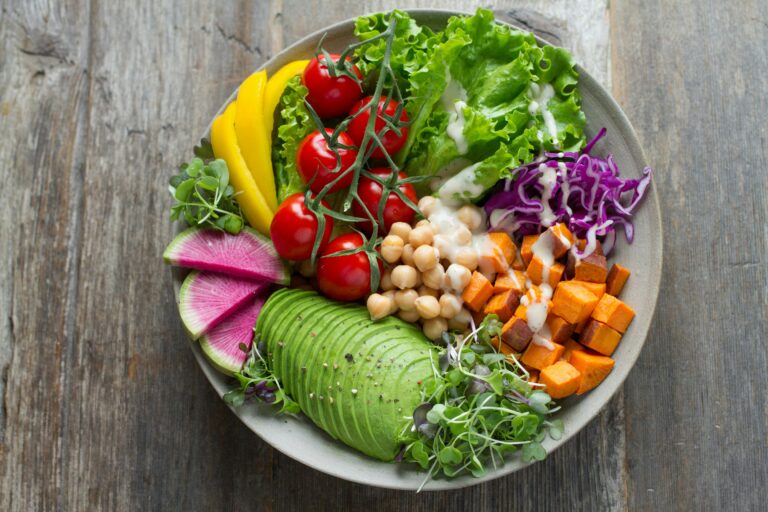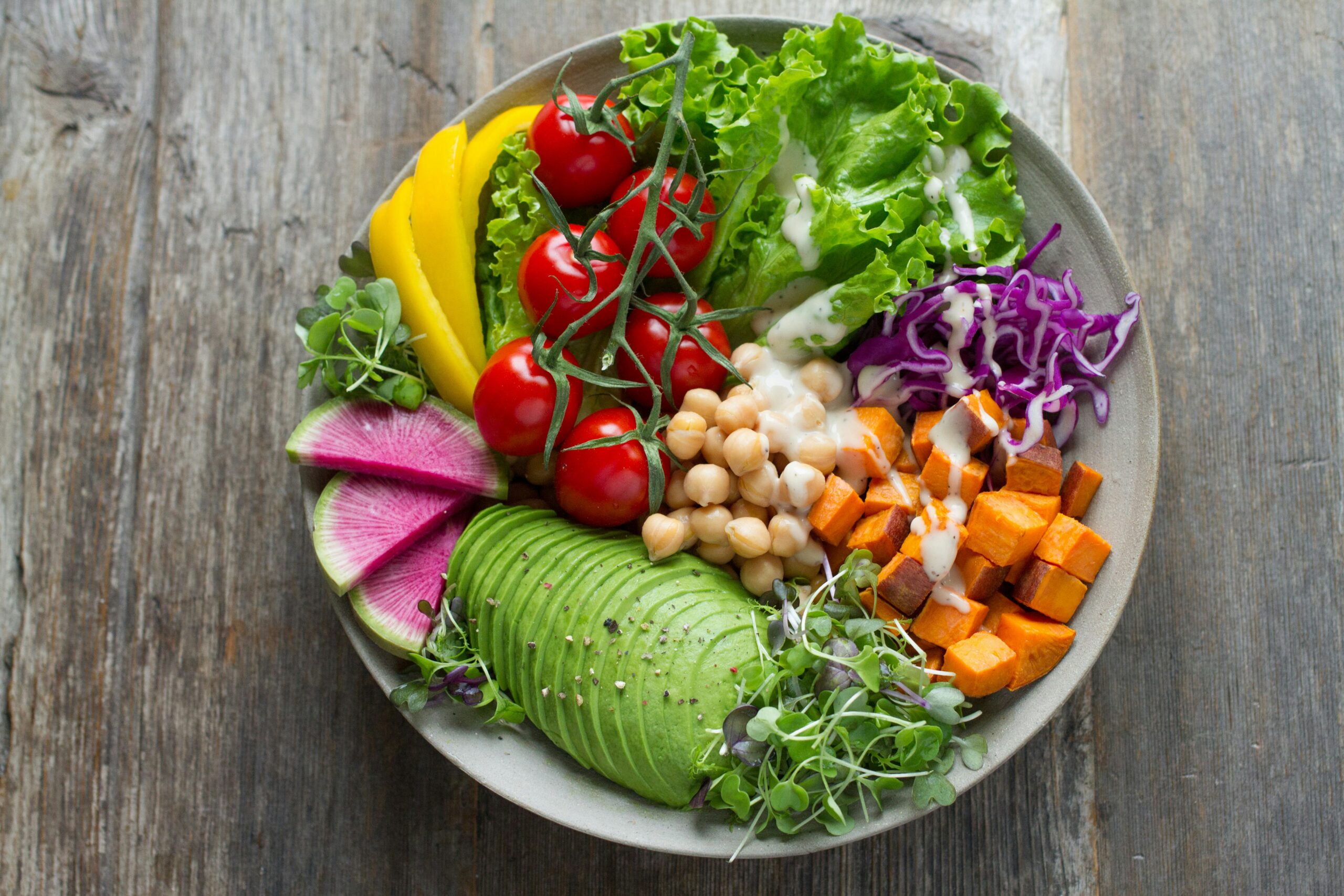
The fast-casual robotics sector is officially graduating from the pilot phase into aggressive commercial deployment. As of Q3 2026, Sweetgreen is aggressively scaling its ‘Infinite Kitchen’ automated makelines, integrating the frictionless technology into roughly half of all new store builds. By offloading the highly repetitive, friction-heavy task of bowl assembly to a mechanized pipeline, Sweetgreen is demonstrating how QSRs can achieve hyper-speed throughput while simultaneously lowering unit-level labor costs and completely eliminating portion variance.
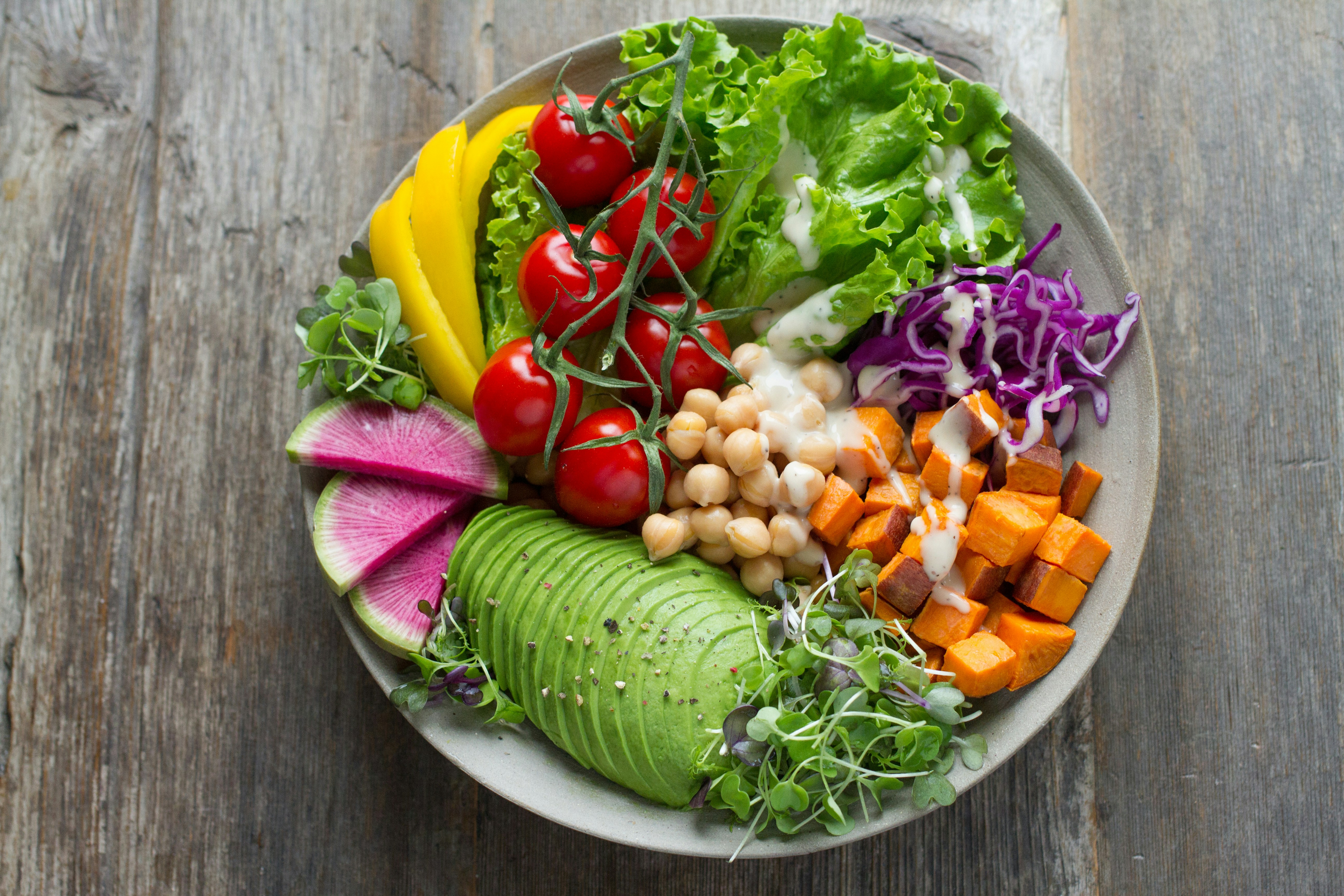
The financial engineering behind this rollout is as fascinating as the hardware itself. Following the strategic $186 million sale of its Spyce robotics division to Wonder in late 2025, Sweetgreen transitioned from a hardware developer into a licensee. They are effectively utilizing a ‘Hardware-as-a-Service’ model, purchasing the roughly $500,000 Infinite Kitchen units on a cost-plus basis. This incredibly smart pivot allows Sweetgreen to blanket its suburban expansion with high-tech infrastructure without carrying the immense R&D and manufacturing overhead on its own balance sheet.
“This is a masterclass in capital-efficient scaling,” explains Marcus Thorne, a partner at a prominent food-tech VC fund. “Sweetgreen realized they didn’t need to be a robotics manufacturer; they just needed the operational leverage that robotics provide. By deploying the Infinite Kitchen, they are dramatically increasing digital order velocity and reducing back-of-house headcount. Crucially, they are reallocating that human capital to the front-of-house to provide high-touch hospitality, which is the ultimate differentiator in modern retail.”
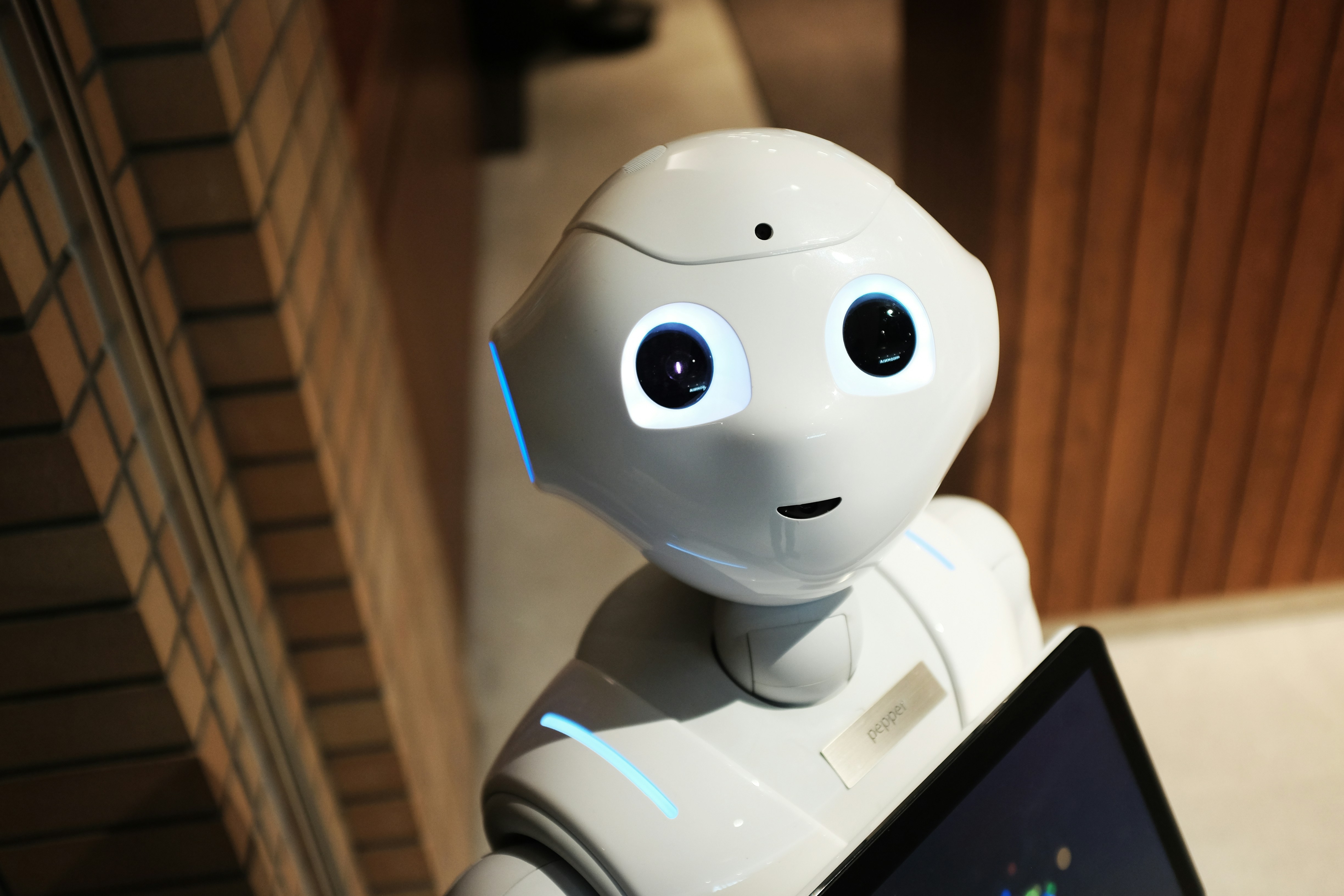
The 2026 rollout of the Infinite Kitchen is the definitive proof-of-concept the industry has been waiting for. We are finally moving past gimmicky robot servers and entering an era where the actual core production engine of the restaurant is fully automated.