A rigorous analysis of mid-2026 financial disclosures reveals a stark bifurcation in the American restaurant consumer base. The industry is no longer operating under a unified macroeconomic cycle; it has fractured into two distinct realities. While legacy Quick Service Restaurant (QSR) operators compress their restaurant-level margins to subsidize aggressive value wars, premium fast-casual operators are posting outsized gains driven by pure volume, rather than inflationary pricing.
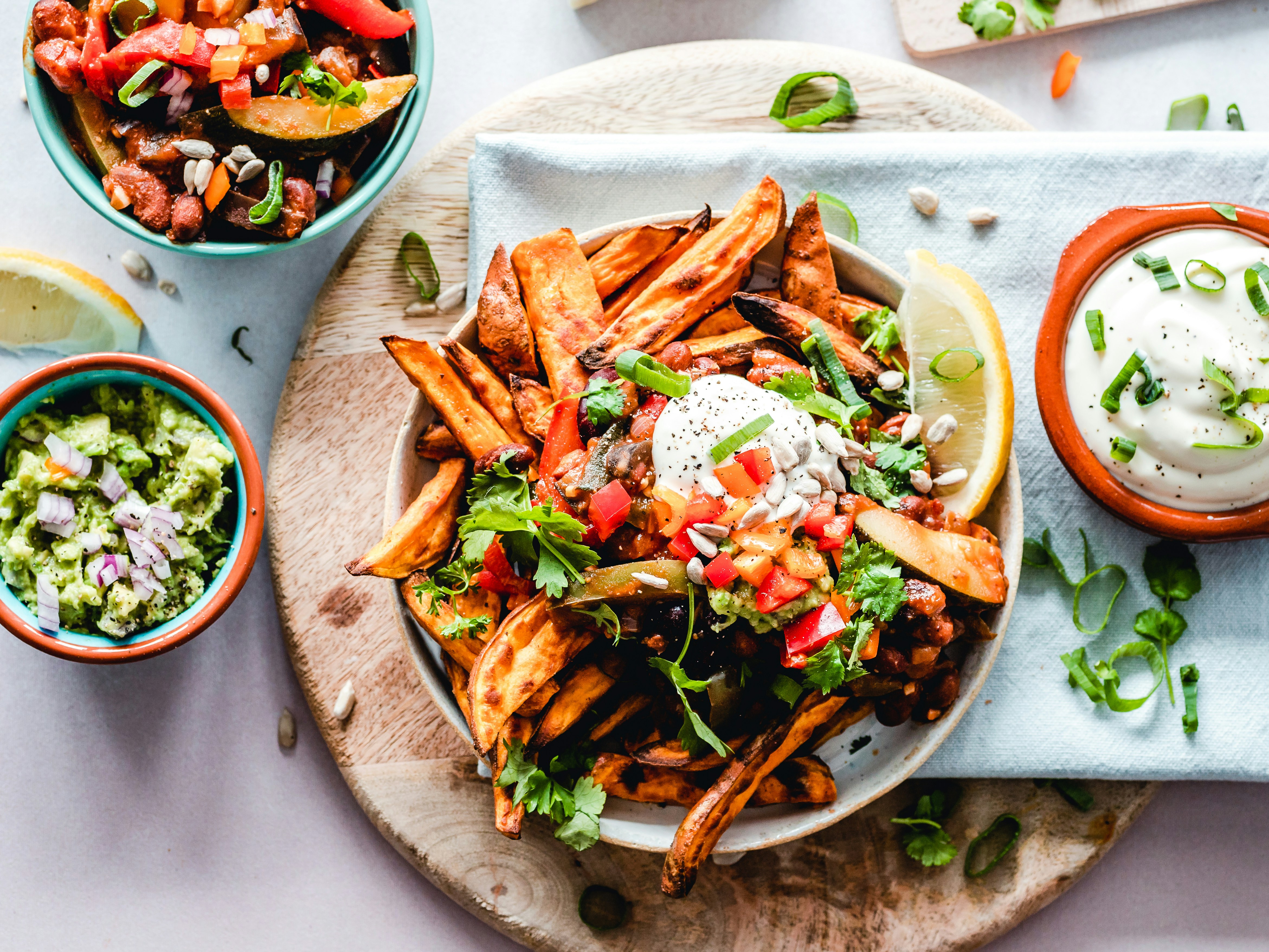
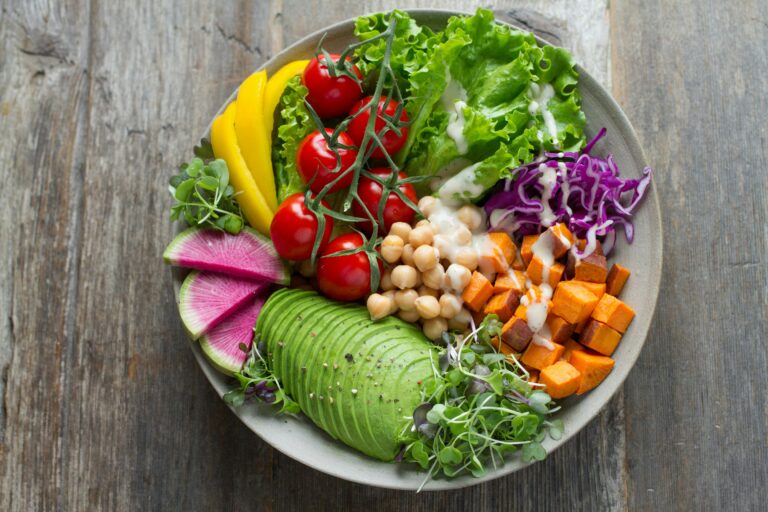
The divergence is most explicitly illustrated by contrasting CAVA Group Inc. (NYSE: CAVA) against the broader QSR index. CAVA recently reported a staggering 32.2% year-over-year revenue increase. The critical metric, however, is the composition of their 9.7% same-restaurant sales growth: it was propelled by a 6.8% expansion in actual guest traffic. This indicates that higher-income cohorts remain highly resilient, displaying a sustained willingness to pay a premium for perceived quality and health-conscious ingredients. Conversely, operators like McDonald’s are leaning heavily into sub-$5 promotional platforms to combat softening traffic among lower-income households, who are increasingly trading down to prepared grocery options.
“The data suggests that the lower quartile of the consumer base has effectively been priced out of the traditional drive-thru,” notes Sarah Jenkins, a retail equities analyst. “McDonald’s is executing a defensive strategy to retain market share, which inherently pressures margins. CAVA, on the other hand, is executing an offensive strategy. They have demonstrated that if you provide a highly differentiated product to a resilient demographic, you can completely sidestep the QSR value war.”

For institutional investors, the thesis is clear. Revenue growth achieved through aggressive price hikes has reached its absolute ceiling. The equities poised for sustained outperformance in late 2026 are those capable of generating authentic traffic volume in a highly constrained consumer environment.