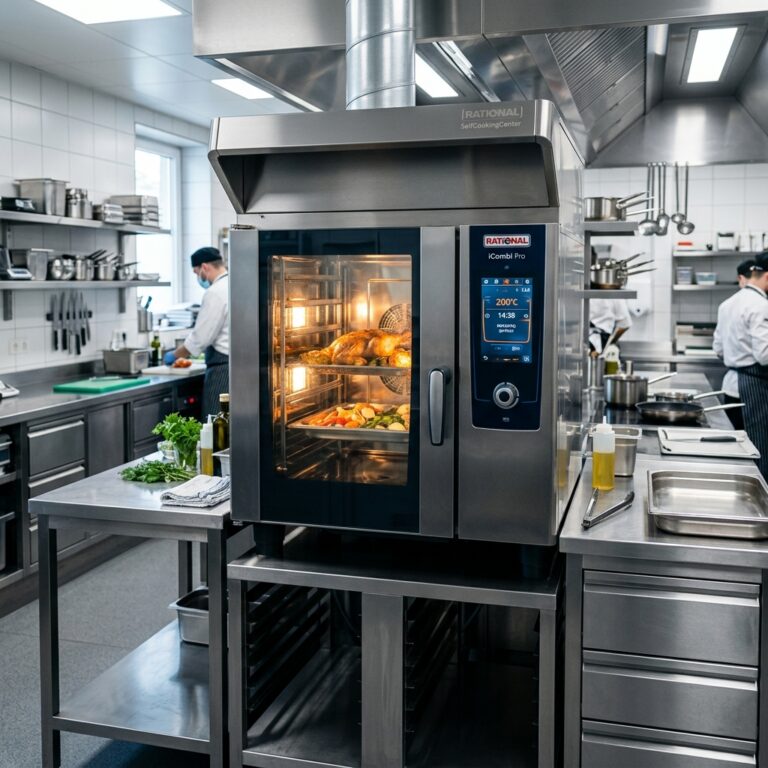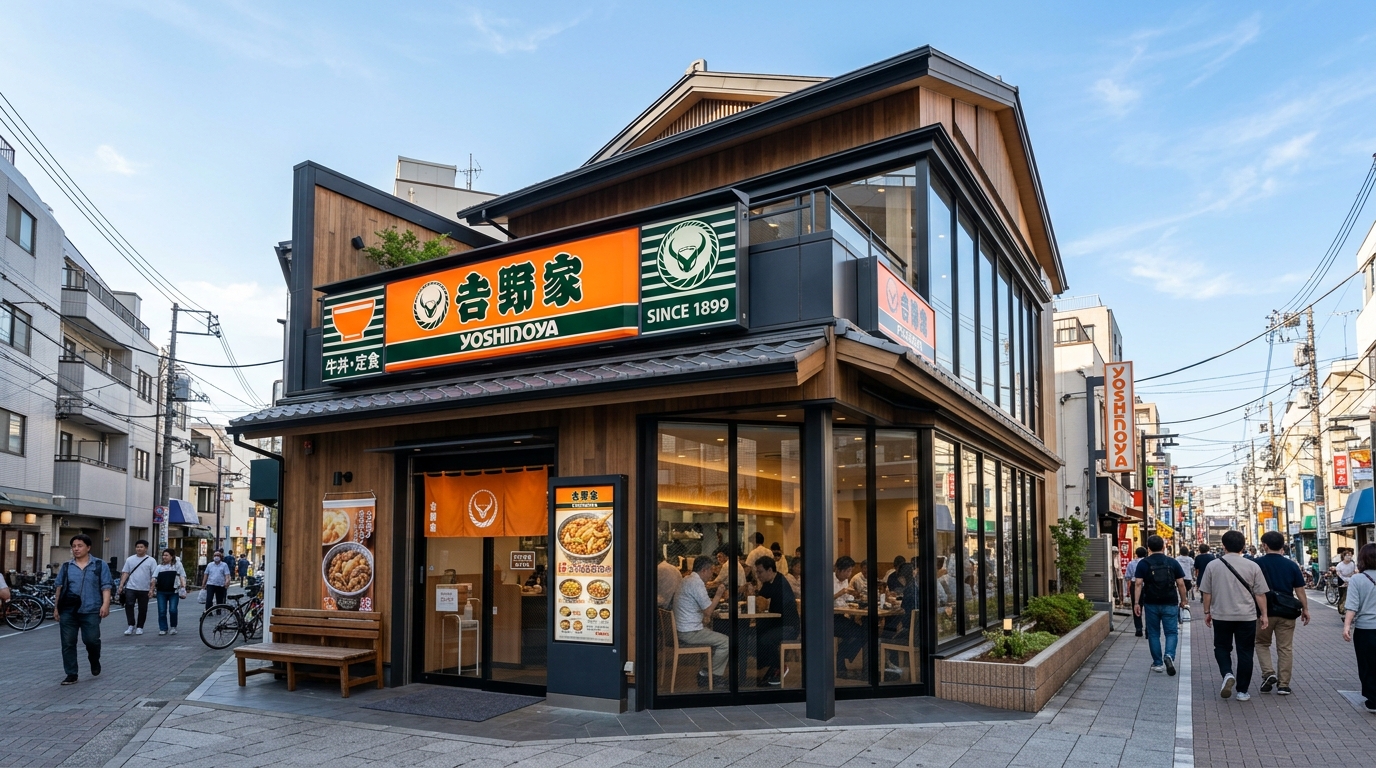
Japanese beef bowl chain Yoshinoya has introduced automated cooking robots and smart kitchen conveyor systems across its flagship Tokyo outlets. This technological overhaul represents a direct response to Japan’s shrinking working-age population and historic labor shortage, which has severely impacted the domestic restaurant industry’s operating capacities.
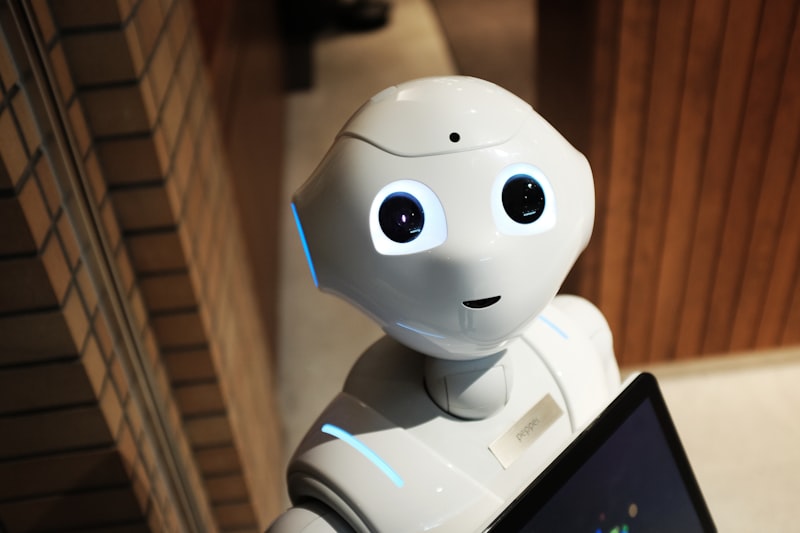
The newly integrated AI kitchen robots automate the core cooking process for Yoshinoya’s signature Gyudon (beef bowls). These robots manage beef boiling times and portion distribution, utilizing sensors to replicate the traditional cooking methods previously handled by seasoned chefs. The transition has improved food preparation speeds by 25%. Additionally, automated dish-return conveyor belts transport used dishes directly to sanitizing areas, reducing the physical workload of front-of-house staff.
Faced with a tight labor market, many Japanese dining chains have been forced to shorten operating hours or abandon 24-hour schedules. By automating kitchen workflows, Yoshinoya has reduced necessary in-store staffing by 40% per shift. The resulting cost savings are being redirected to absorb rising raw ingredient costs and fund premium menu development.
For B2B foodtech developers, Yoshinoya’s rollouts showcase the practical integration of commercial service robotics. Rather than relying on simple novelty robots, Yoshinoya has proven that automation can solve labor deficits and stabilize margins, prompting competitors like Sukiya and Matsuya to accelerate their own automated kitchen schedules.