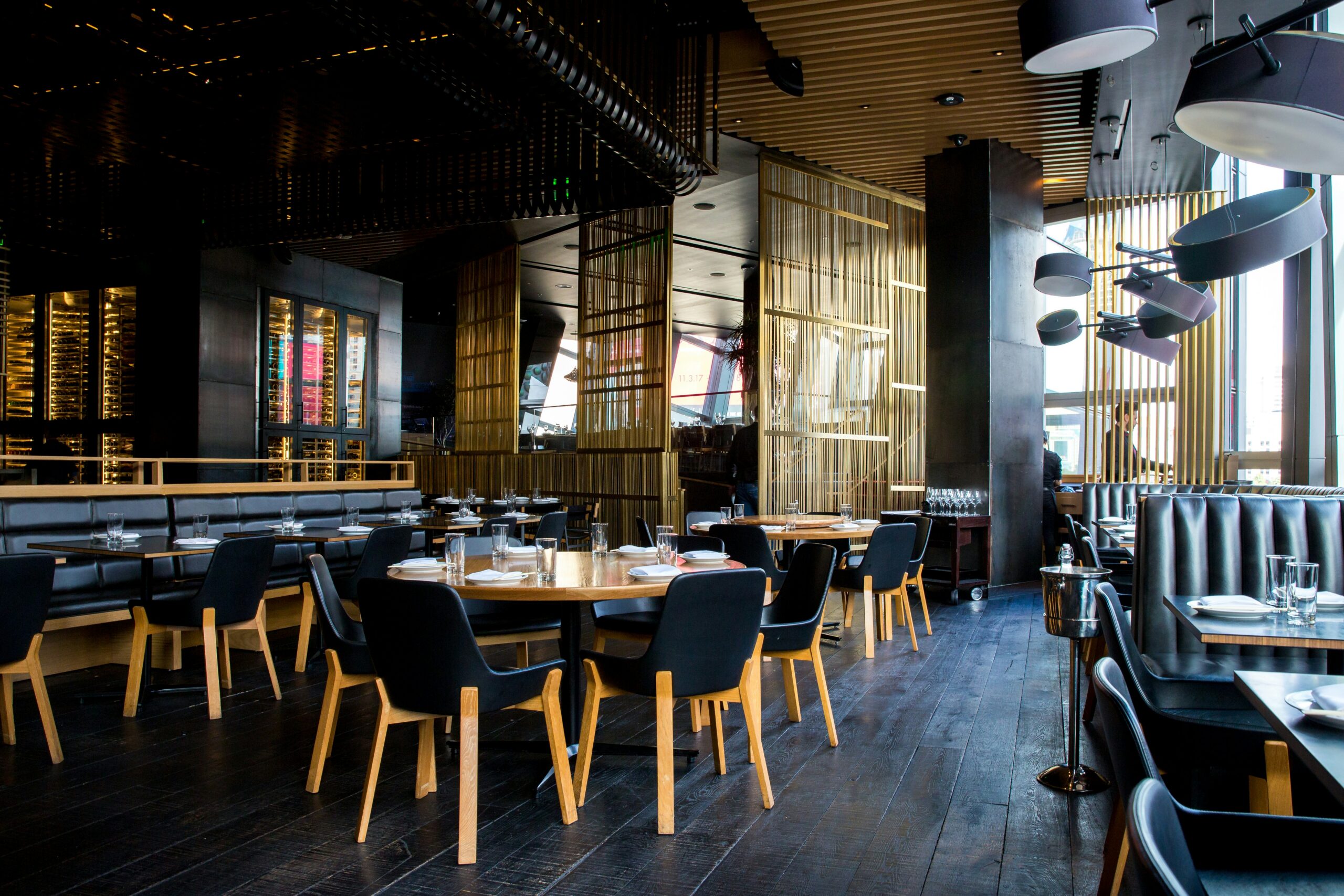
The era of the “cookie-cutter” international rollout is officially over. As global franchises aggressively target emerging markets in late 2026, the consumer psychology has radically shifted. Today’s global dining consumer fundamentally rejects the homogenization of the past decade. They are not simply looking to consume a Westernized fast-food product; they are seeking an authentic, culturally integrated experience that respects their specific regional identity. Consequently, the most successful international expansions are those that prioritize a “hyper-local” branding strategy over rigid corporate standardization.
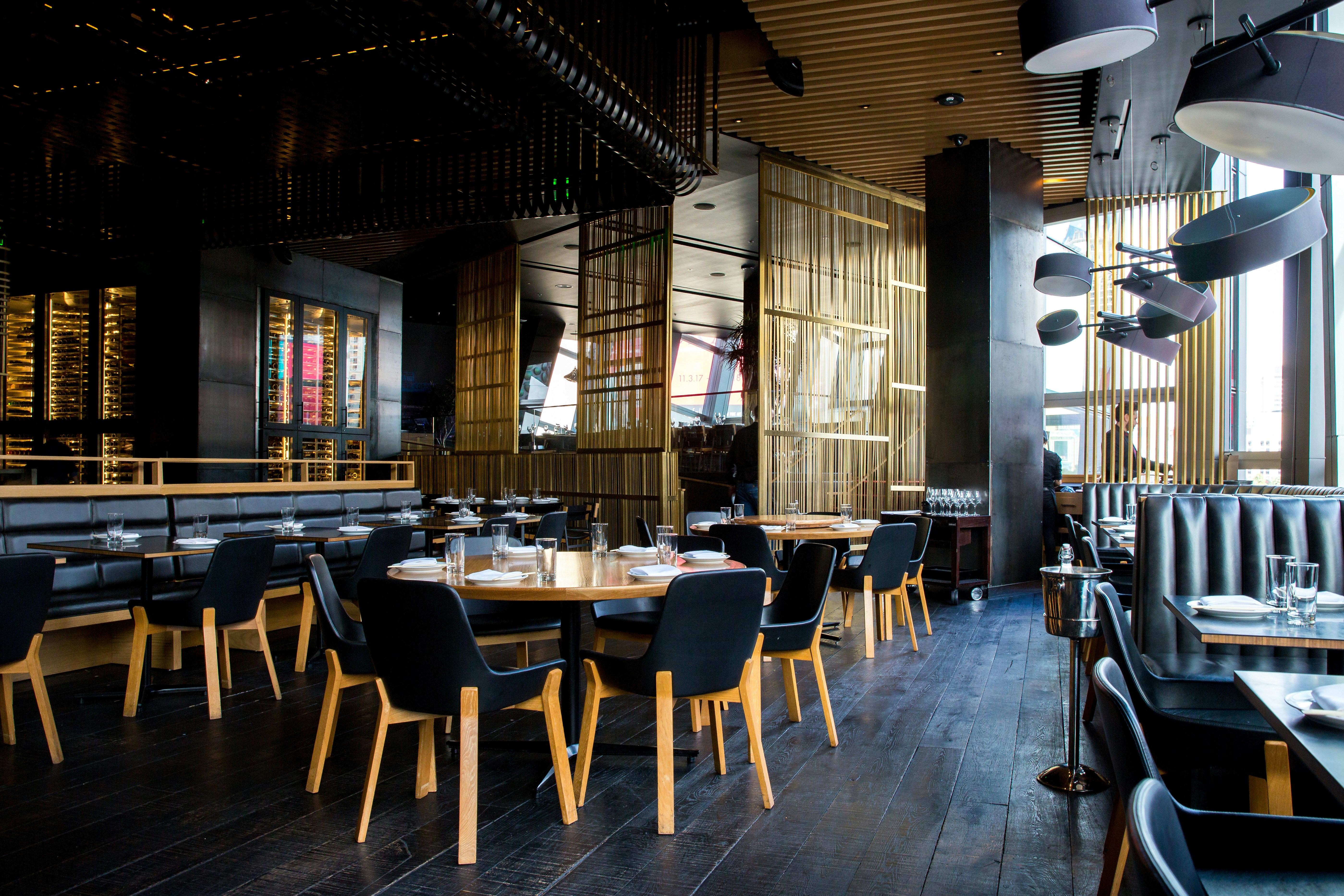
The mechanics of this localization are profound. We are witnessing enterprise brands execute deep cultural immersion before signing a single master franchise agreement. It is no longer sufficient to simply translate a menu into a new language. True localization requires integrating regional flavor profiles, adopting local slang in digital marketing campaigns, and fundamentally altering the physical aesthetic of the store to function as an authentic “Third Place” for the community. The goal is to make a massive international chain feel like an indigenous, neighborhood institution.
“The biggest failures we see in cross-border expansion stem from absolute cultural blindness,” notes Sarah Vane, President of International Development for a major quick-service conglomerate. “You cannot drag-and-drop a Chicago operating model into Jakarta and expect brand loyalty. We spend up to six months identifying local joint-venture partners who dictate the cultural nuance. If you do not allow the local market to influence your brand identity, the consumer will view you as an invasive corporate entity rather than a welcome guest.”

For the B2B stakeholder, this shift requires a complete restructuring of the expansion playbook. Corporate headquarters must surrender a degree of creative control to regional operators, trusting them to execute the brand promise through a culturally competent lens. By embracing this hyper-local methodology, international franchises not only mitigate the immense risk of market rejection, but they forge the deep emotional connections that drive high Customer Lifetime Value in an increasingly saturated global market.