In an era where fast food has become an increasingly sterile, transaction-focused exercise dominated by delivery apps and AI drive-thrus, Pizza Hut is aggressively pivoting in the opposite direction. By mid-2026, the brand has converted roughly 155 U.S. locations into ‘Pizza Hut Classic’ restaurants. Complete with iconic red-roof architecture, Tiffany-style stained-glass lamps, red vinyl booths, and tabletop arcade games, this ‘Hut Originals’ platform is not merely an architectural update; it is a masterclass in the psychological weaponization of nostalgia.
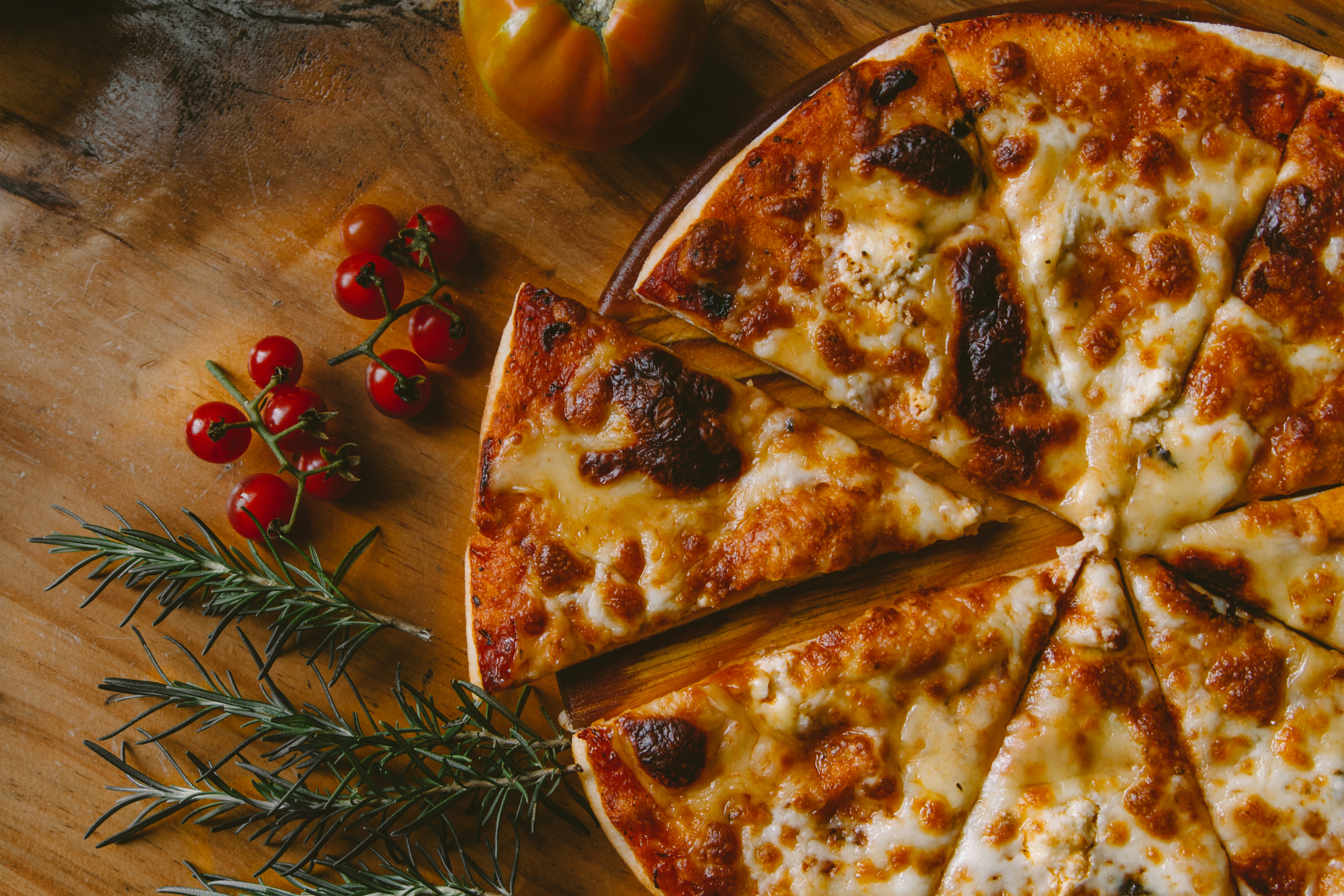
The strategy directly addresses a profound consumer fatigue. Facing macroeconomic anxiety and high food costs, diners are demonstrating a powerful psychological regression toward brands that symbolize ‘simpler’ times. For the Millennial cohort—who hold significant spending power—the classic Pizza Hut dine-in experience, complete with the revived ‘Book It!’ reading program, acts as an emotional anchor. It provides a highly controlled, safe environment that triggers positive childhood associations.
“What began as a grassroots, franchisee-led experiment has proven the immense value of tactile brand equity,” observes a consumer behavioral strategist. “Modern QSRs have optimized the humanity entirely out of the dining experience. By restoring the physical artifacts of the 1990s, Pizza Hut is generating massive, organic social media engagement. They aren’t just selling a $3 Throwback Personal Pan Pizza; they are selling a 45-minute vacation to a pre-digital childhood.”
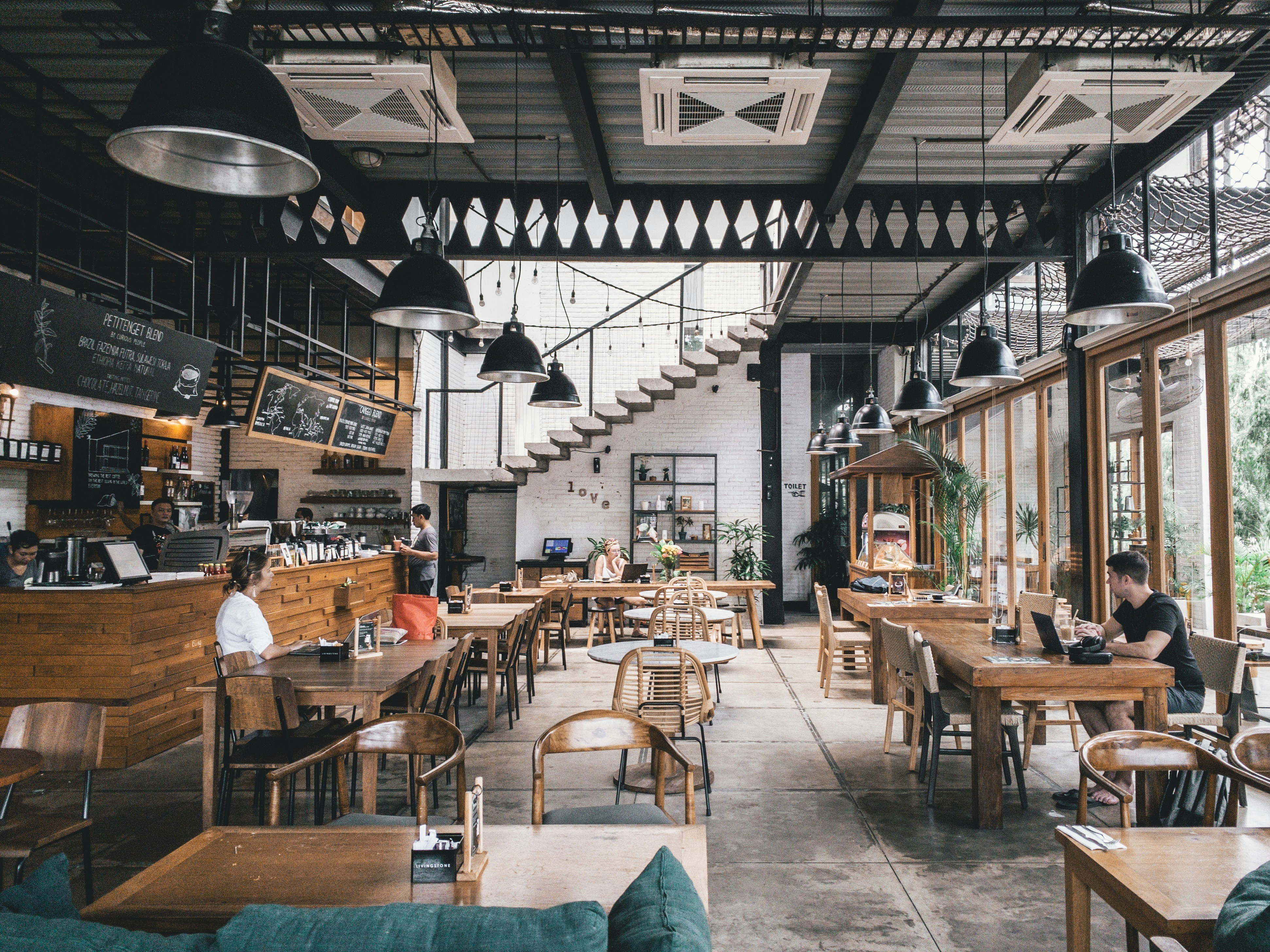
Brilliantly, this strategy bridges a critical demographic divide. While Millennials seek comfort, Gen Z is flocking to these locations in search of ‘authentic’ vintage aesthetics, transforming these restaurants into viral TikTok destinations. By leaning fully into its heritage, Pizza Hut is successfully converting emotional resonance into immediate foot traffic and renewed brand loyalty.