The psychological contract between a coffee brand and its consumer is highly fluid. As Luckin Coffee surpasses an astonishing 35,000 global locations in mid-2026, we are witnessing a fascinating dual-track brand strategy. In the United States, where it recently launched aggressive incursions into New York City, Luckin operates purely on the premise of tech-driven, hyper-efficient value. It is the ultimate anti-‘third place,’ a sterile but seamless grab-and-go utility designed to disrupt legacy players through speed and localized payment integration.
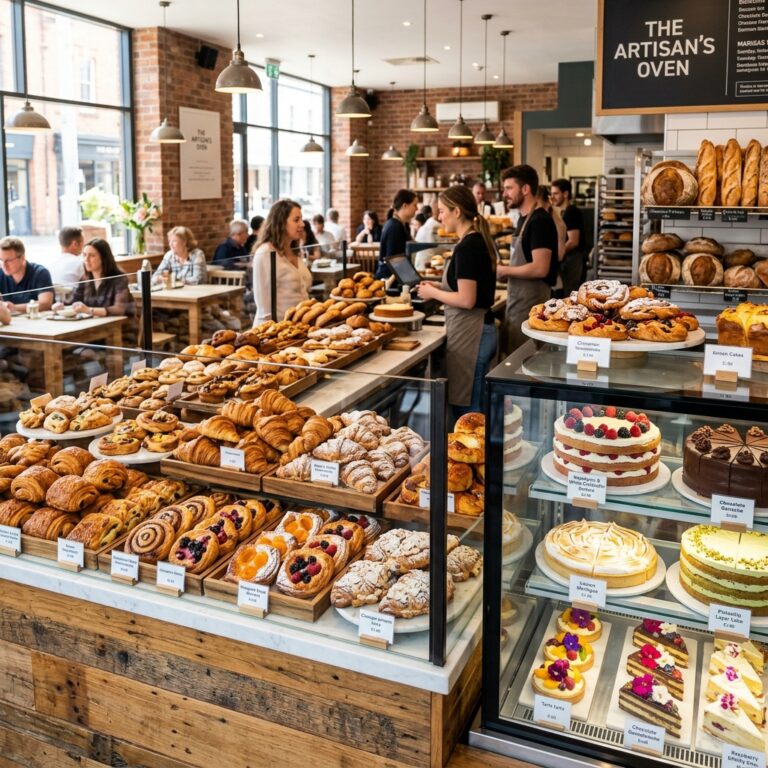
However, in its mature domestic market, Luckin is executing a radical psychological pivot. The recent unveiling of ‘Origin Flagship’ stores marks a departure from its foundational kiosk model. By building immersive, premium retail spaces that highlight the global sourcing of beans from Ethiopia to Brazil, Luckin is attempting to construct the architectural prestige it previously ignored. They are retrofitting the brand with physical warmth and artisanal credibility, a necessary step to maintain dominance against premium competitors.
“Luckin successfully commoditized caffeine access through their app architecture, but pure convenience has a ceiling in consumer psychology,” notes Dr. Sarah Lin, a retail branding consultant based in Singapore. “The ‘Origin Flagship’ concept is their attempt to prove they aren’t just a tech company selling cheap lattes; they want to be perceived as a legitimate, global coffee roaster. Simultaneously, their non-coffee innovations, like the Coconut Latte, are driving billions in revenue because they understand hyper-localized flavor palates better than Western imports.”
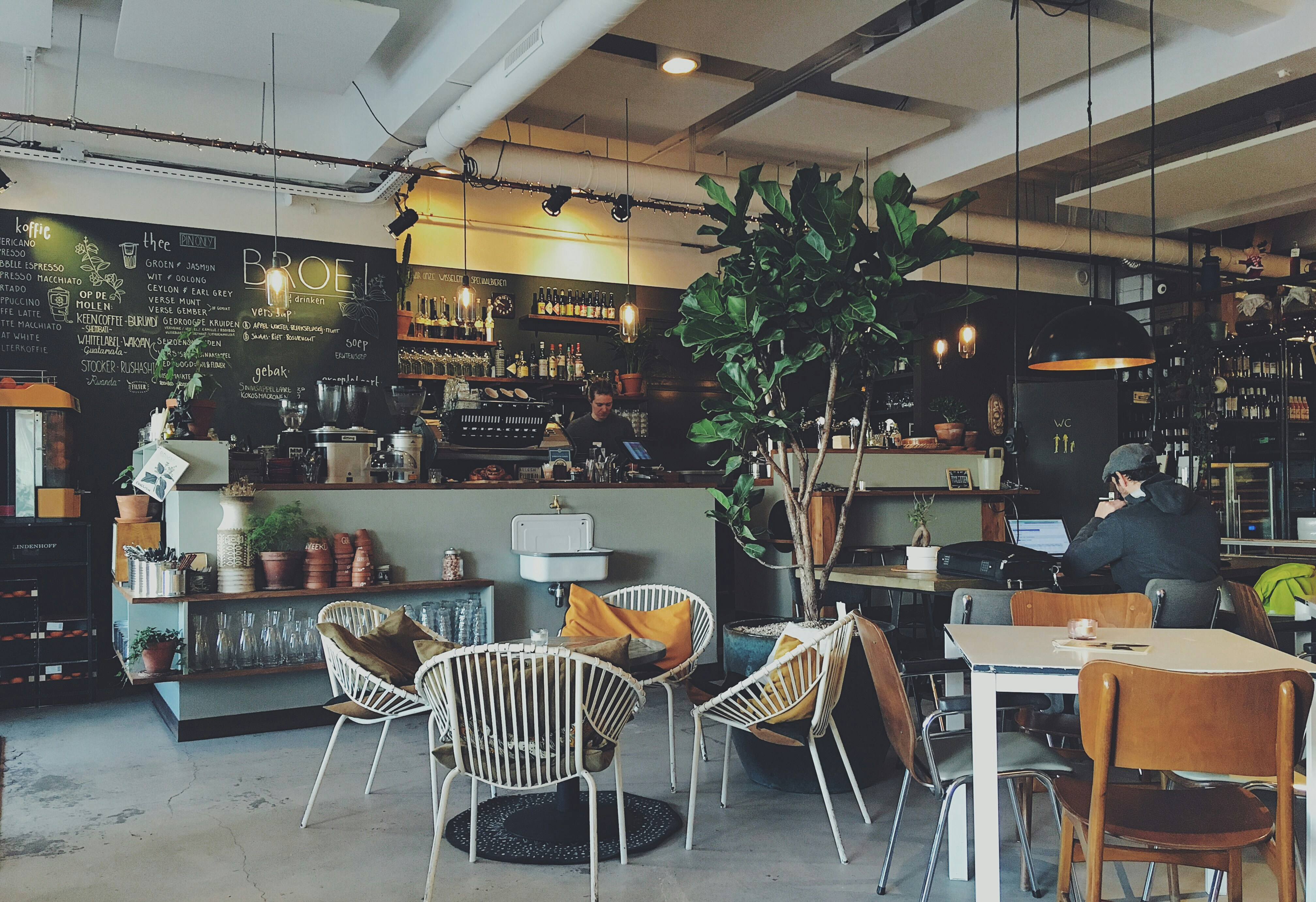
For international operators, Luckin’s 2026 evolution is a warning. Scaling via digital efficiency is the baseline, but sustained brand equity still requires the psychological anchor of a premium, physical experience.