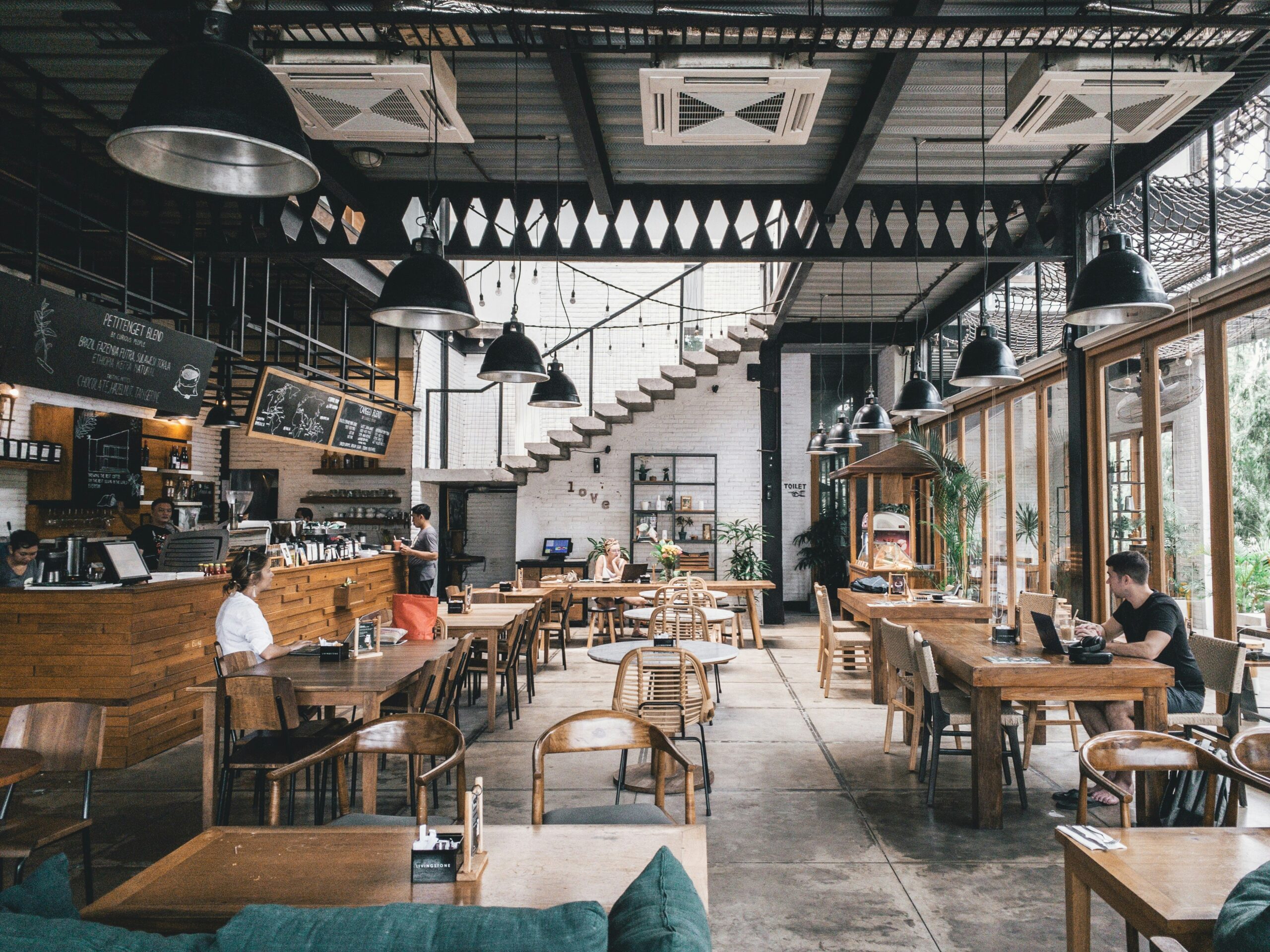
The fundamental definition of ‘value’ in the quick-service and fast-casual sectors has permanently fractured. As we navigate Q3 2026, the traditional strategy of discounting a core menu item to drive sheer transactional volume is yielding diminishing returns. Today’s consumer psychology is dominated by a concept industry insiders are calling ‘Value 3.0’ or ‘Affordable Luxury.’ After years of cumulative menu price inflation, diners have accepted that eating out is objectively expensive. Consequently, they are no longer hunting for the absolute cheapest calories; they are actively seeking out brands that justify the elevated price point through exceptional sensory experiences, intentional design, and hyper-personalized hospitality.
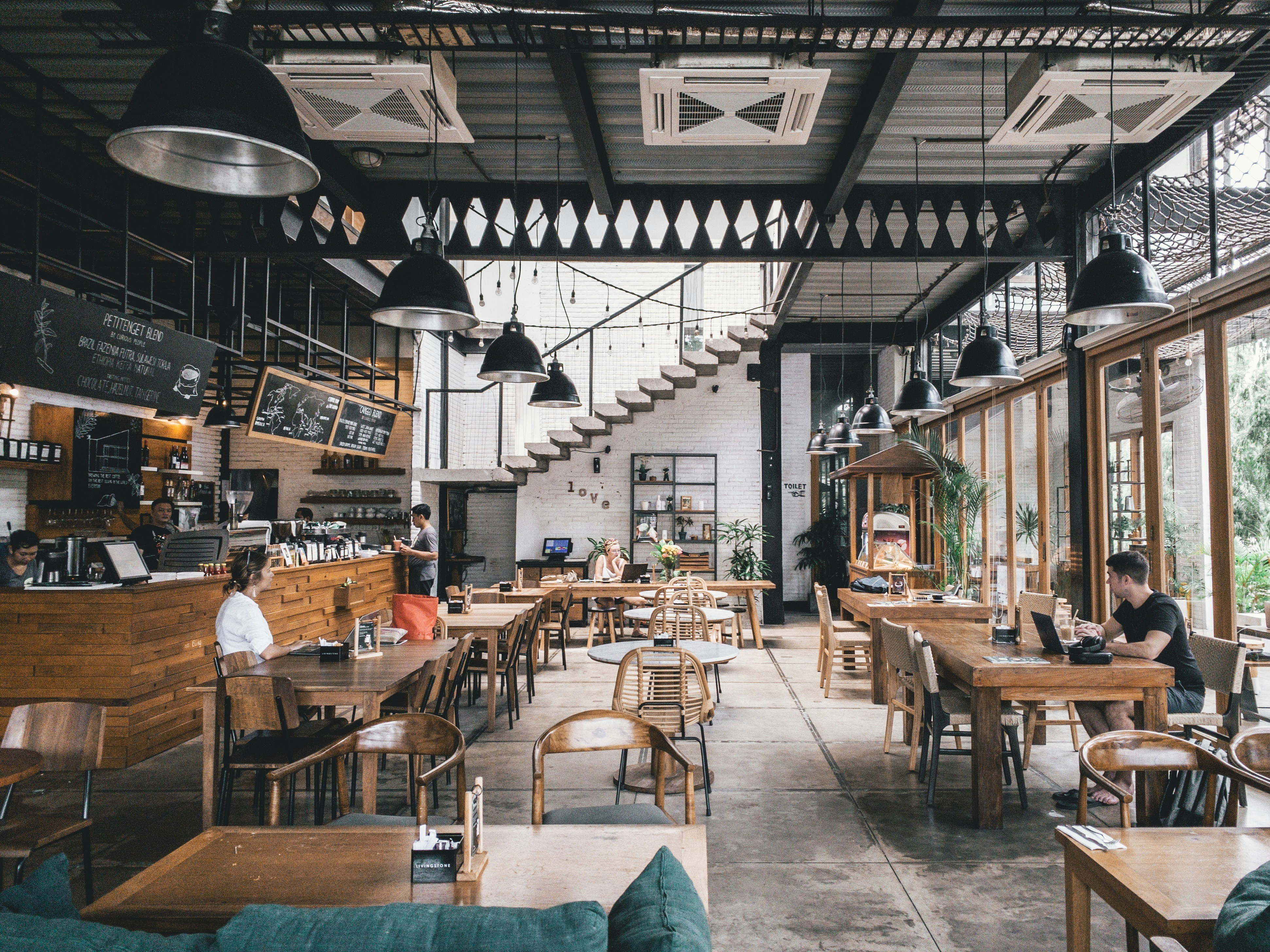
This psychological shift is devastating middle-tier franchises that rely on a ‘faceless’ corporate aesthetic. When a customer is paying $16 for a combo meal, they refuse to consume it in a sterile, brightly lit, plastic environment. The brands capturing market share in 2026 are those deploying ’emotional choreography.’ They are investing heavily in ‘modern organic’ store redesigns—utilizing warm, tactile materials, curated local playlists, and community-specific architectural nods. The objective is to make a massive international chain feel like an intimate, authentic neighborhood fixture.
“We completely eliminated our $5 discounting tier in favor of upgrading our interior lighting and plateware,” explains Sarah Vane, Chief Marketing Officer for a rapidly growing 300-unit Mediterranean concept. “The data was clear: when a customer feels like they are treating themselves to a premium experience, their price sensitivity plummets. We are not selling a chicken bowl anymore; we are selling a 45-minute psychological escape from their workday. If the aesthetic feels cheap, the customer feels cheated, regardless of what they paid.”
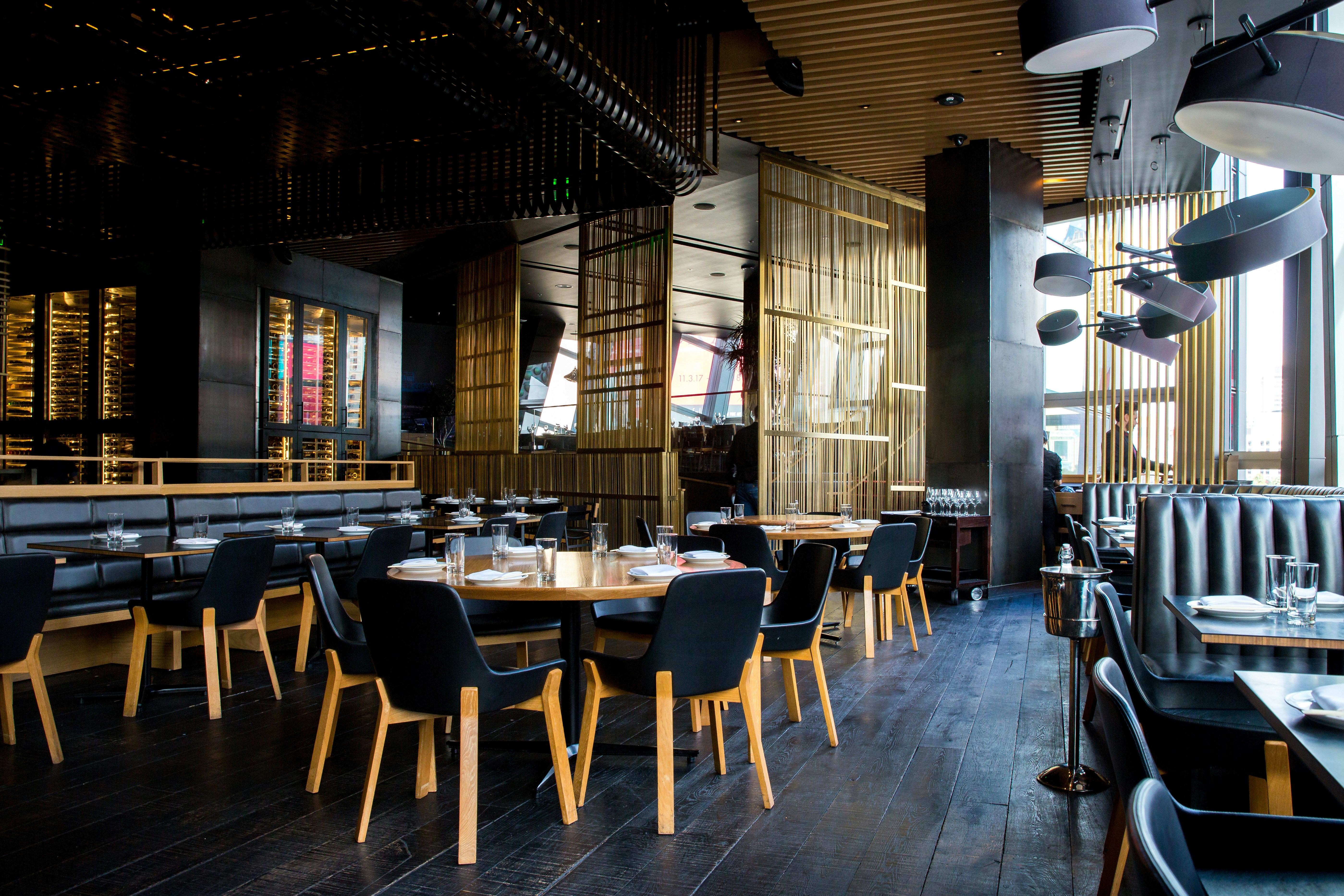
For the B2B stakeholder, this evolution requires a radical reallocation of the marketing budget. Capital previously spent on mass-market television campaigns advertising temporary price cuts is now being diverted into two areas: physical store remodels and AI-driven, gamified loyalty programs. By utilizing first-party data to offer highly personalized, digital ‘perks’ rather than blanket discounts, franchises can maintain their premium positioning while still making their most loyal customers feel uniquely valued. In 2026, you cannot discount your way to growth; you must design your way there.