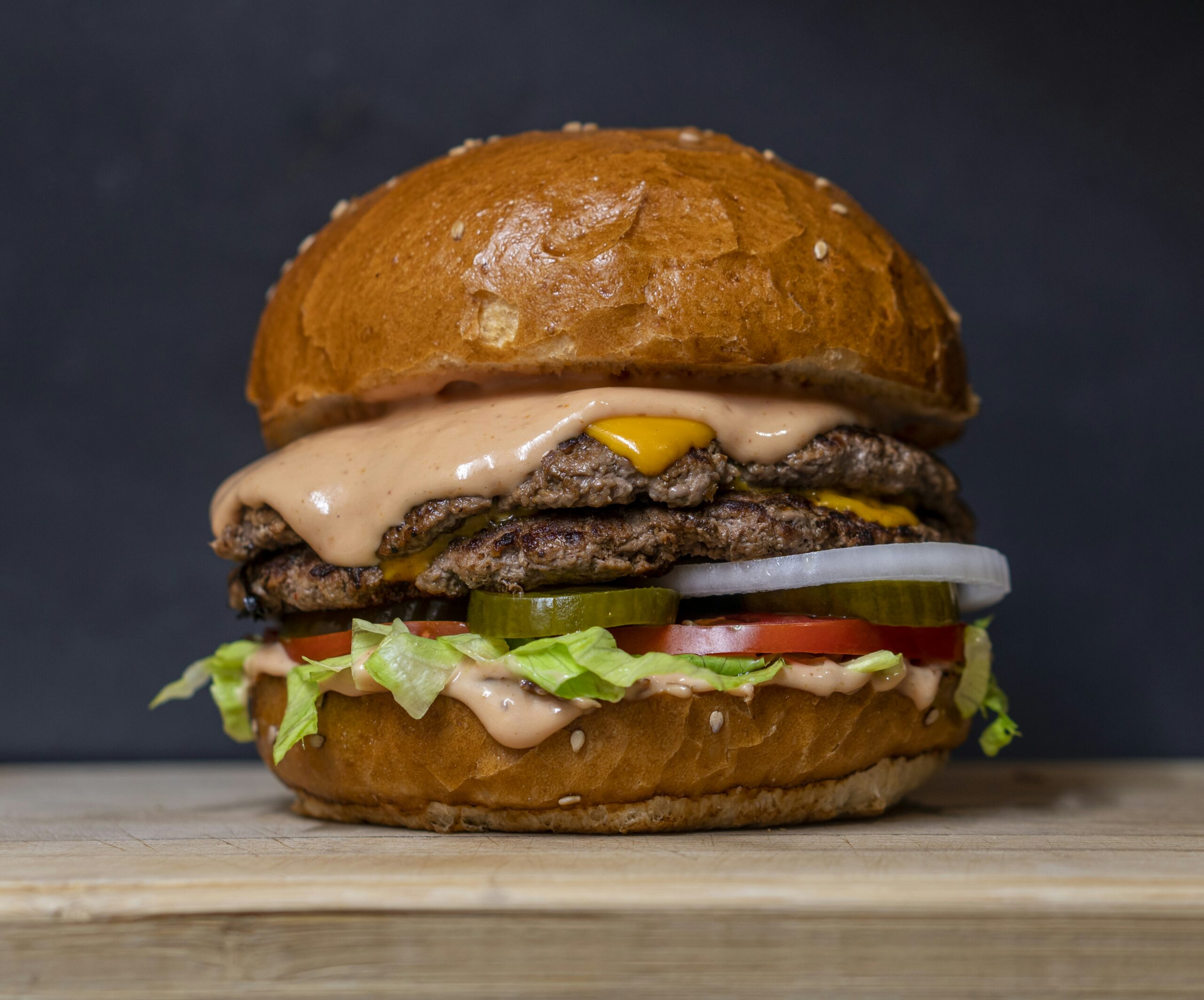
The QSR landscape in South Korea is currently a brutal battleground of extreme price sensitivity and hyper-competitive menu engineering. As of July 2026, Lotteria has successfully navigated a mandatory 2.9% average price increase across its core burger lines without triggering a consumer exodus. The brand’s survival mechanism relies not on defensive discounting, but on aggressive, highly psychological menu restructuring. By expanding the ‘Lia Lunch’ window and introducing heavily engineered ‘single pack’ bundles, Lotteria is masking unit price inflation behind the perception of curated, experiential value.

The cornerstone of this menu defense is absolute product differentiation. While competitors rely on generic price cuts, Lotteria recently launched the ‘Tongdari Krispy Chicken Burger’—a highly textural, massive chicken thigh offering that immediately dominated social media across the 20- and 30-something demographics. This is not accidental. The brand understands that in 2026, the younger consumer will absorb a price hike if the product delivers an intense, multisensory experience that cannot be replicated at home or by a competitor.
“The modern Asian QSR consumer is suffering from acute ‘discount fatigue’,” notes Chef Julian Lee, a leading culinary consultant based in Seoul. “When every chain offers a cheap lunch set, the perceived value hits zero. Lotteria’s strategy with the ‘Lia Lunch’ pack isn’t just about selling a burger; it’s about selling a massive, visually overwhelming bundle of diverse textures—crispy chicken, hot fries, carbonated drinks—all curated into a single, affordable daily ritual. They are weaponizing comfort and texture against economic anxiety.”
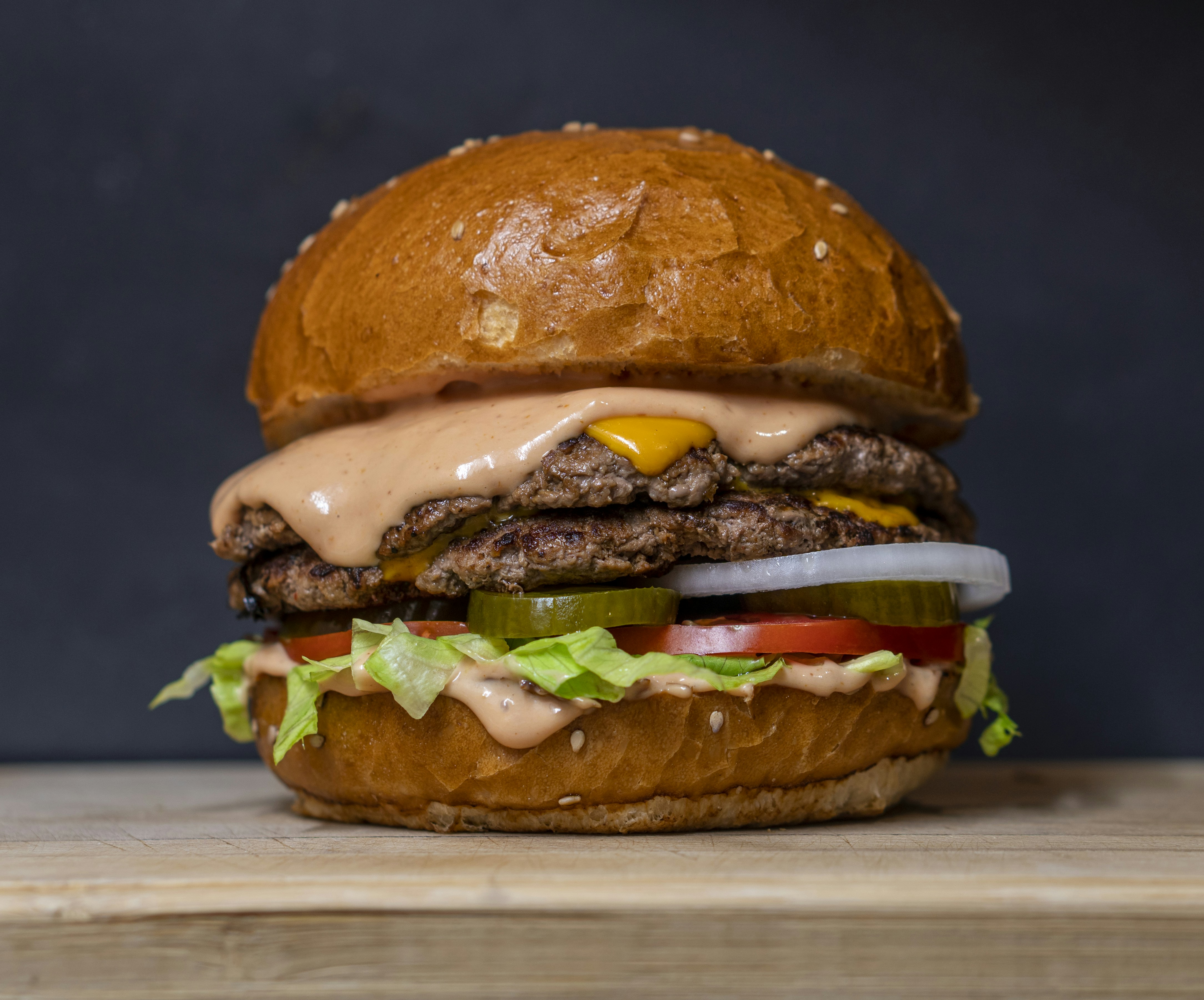
Furthermore, this menu strategy aligns with a broader, aggressive corporate pivot. With the complete transition of its Japanese operations to the ‘Zetteria’ brand and exclusive new master franchise agreements signed in Thailand in late June 2026, Lotteria is actively exporting its highly agile, bundle-focused menu engineering across the Asian continent. For B2B operators, the lesson is clear: when operational costs force your prices up, the only viable defense is elevating the visual and textural complexity of the menu itself.