
The narrative that robots are coming to ‘steal our jobs’ is officially dead in the water. As we hit the Q3 2026 operational sprint, the smartest money in the QSR space isn’t betting on fully autonomous dark kitchens—they’re betting on ‘cobotics.’ Collaborative robotics is the new golden goose, and Chipotle is currently running the most exciting beta test in the entire industry. By systematically deploying the ‘Autocado’ (an automated avocado processing unit) alongside the Hyphen digital makeline, Chipotle is fundamentally rewriting the unit economics of fast-casual food prep.

Let’s look at the tech stack. The Autocado isn’t just a fancy blender; it’s a highly specialized hardware solution designed to eliminate one of the most dangerous and repetitive tasks in a commercial kitchen: peeling and coring thousands of avocados a day. When you combine this with the Hyphen automated makeline—which dispenses precise portions of rice, beans, and salsas for digital orders under the counter while human staff assemble the proteins on top—you create an insanely optimized dual-processing loop. It’s the ultimate human-in-the-loop (HITL) operating system for food service.
“The bottleneck in modern QSR isn’t cooking the food; it’s the physical assembly of digital orders during peak volume,” explains Mark Chen, a hardware PM at a leading food-tech incubator. “Chipotle’s ‘Chipotle Kitchen’ visual displays and the Hyphen integration are brilliant because they aren’t trying to replace the human touch where it matters. They are simply automating the low-value, high-friction tasks. By the end of 2026, if you are forcing your line cooks to scoop rice instead of letting a calibrated machine do it, your operational architecture is basically a dinosaur.”
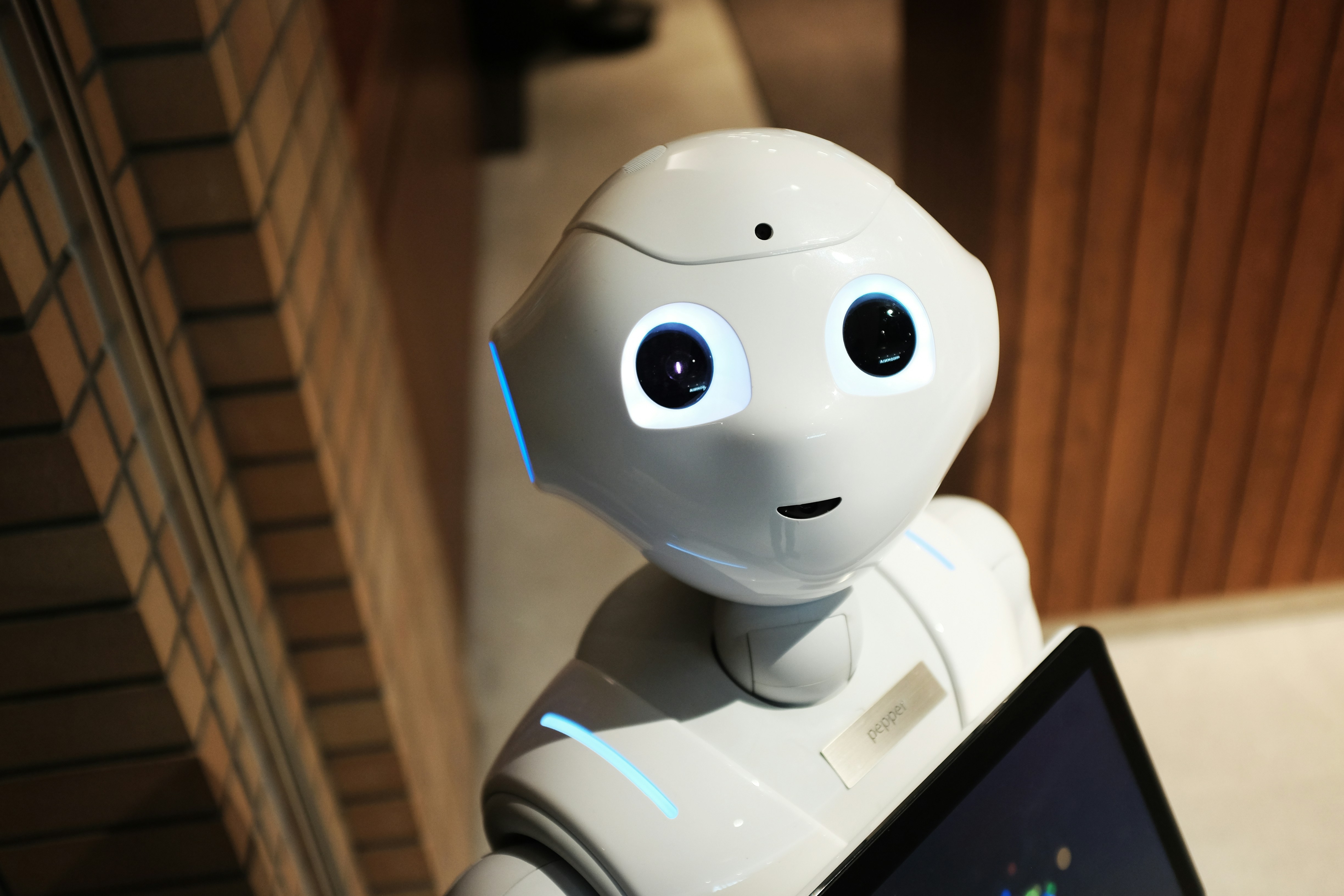
This isn’t just a neat science experiment; it’s a massive competitive moat. Competitors like CAVA are already scrambling to fund similar hardware startups just to keep pace. The deployment of these cobotic systems acts as a massive force multiplier for existing staff, drastically reducing burnout and turnover while simultaneously driving order accuracy to near 100%. For B2B operators watching from the sidelines, the takeaway is clear: stop trying to build a fully automated restaurant, and start building tools that give your current workforce superpowers.