For foreign retail brands, the North American market is notoriously unforgiving, operating as a graveyard for international concepts that fail to properly localize. Yet, as of mid-2026, South Korea-based Paris Baguette is executing an expansion masterclass. Having successfully crossed the 300-store milestone in the United States, the brand has locked onto an aggressive target: 1,000 North American locations by 2030. This rapid proliferation is not accidental; it is the result of a meticulously calculated rebranding effort that perfectly aligns with post-pandemic consumer psychology. Paris Baguette recognized that modern American consumers do not just want bread; they crave community anchors.
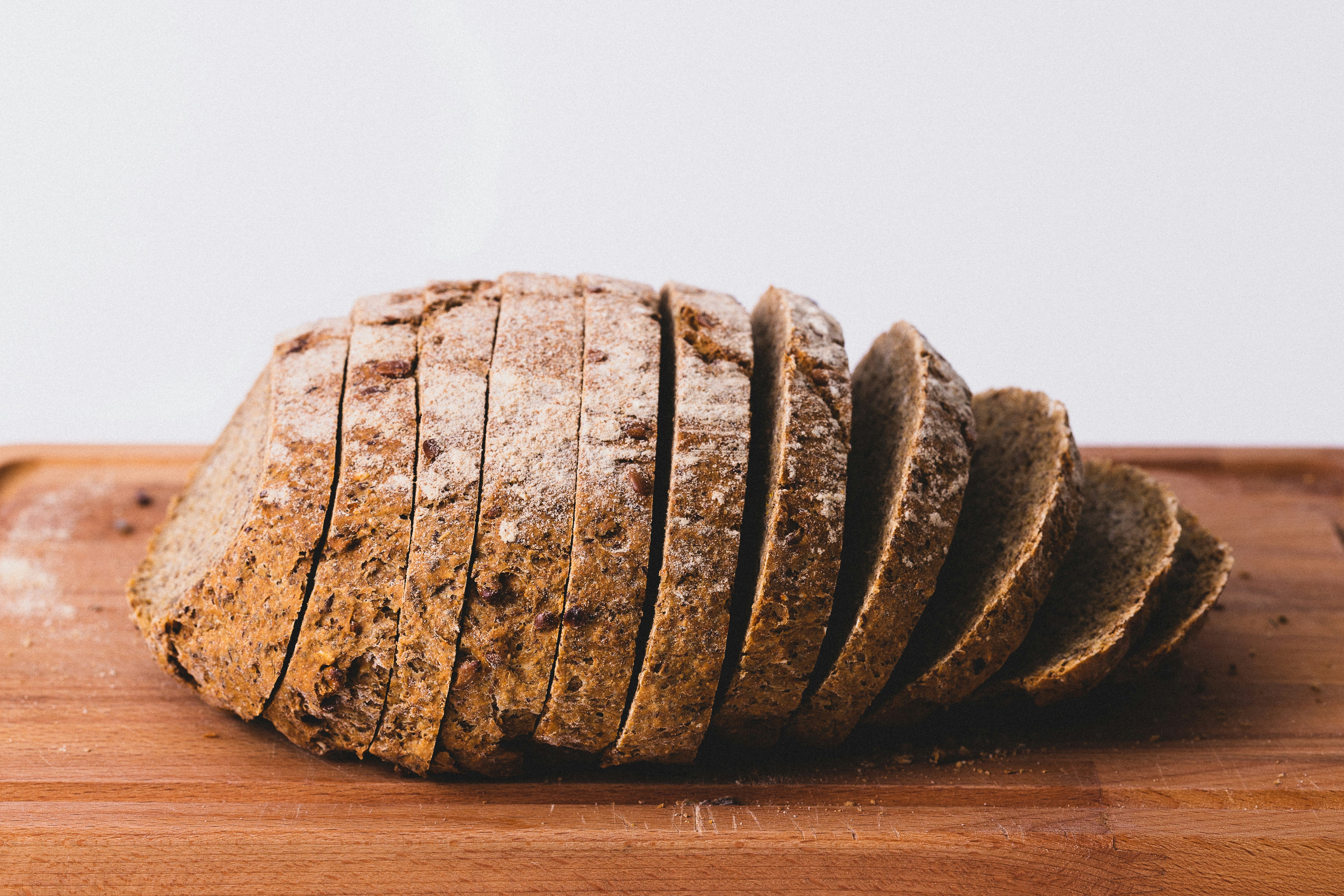
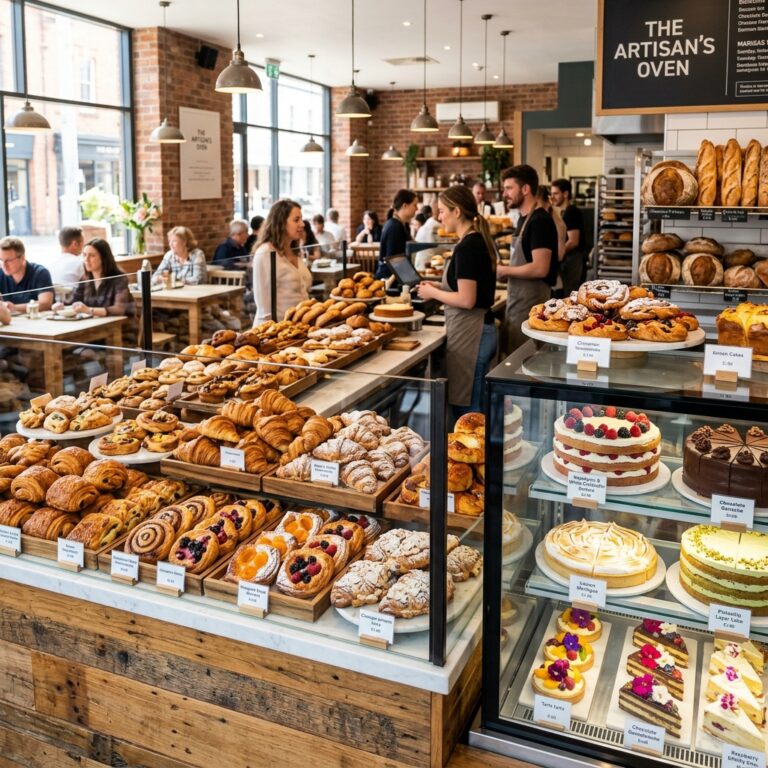
The brilliance of Paris Baguette’s 2026 strategy lies in its psychological repositioning. By leaning heavily into the ‘neighborhood bakery café’ aesthetic, they have masked massive corporate scale behind a veneer of localized, artisanal charm. Their signature ‘tray-and-tong’ self-serve format transforms a standard fast-casual transaction into a highly tactile, premium ritual. Furthermore, they are brilliantly leveraging the global halo effect of ‘K-culture.’ By subtly blending traditional French baking aesthetics with highly Instagrammable, Asian-inspired flavor profiles—like fresh cream cakes and exotic fruit pastries—they have completely differentiated themselves from the beige, utilitarian menus of legacy competitors like Panera.
“What Paris Baguette is doing in the US is a textbook example of cultural arbitrage,” explains Dr. Sarah Lin, a cross-border retail strategist. “They are utilizing the operational efficiency of an Asian mega-franchise while wrapping it in the emotional branding of a cozy, European-style community hub. And with the construction of their new massive manufacturing facility in Burleson, Texas, slated for completion by 2027, they are laying down the hard logistics infrastructure required to sustain this explosive growth without sacrificing product consistency.”
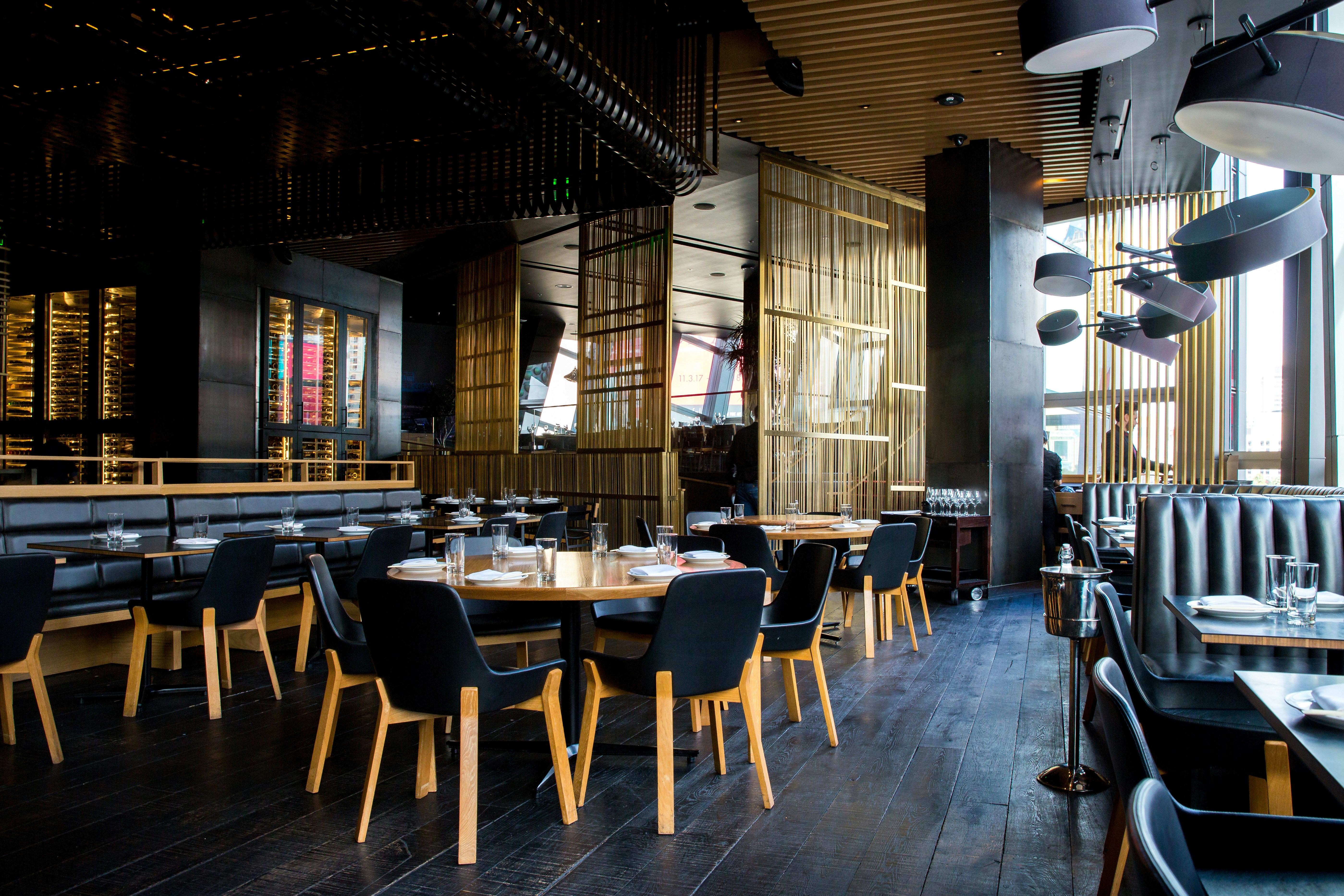
As Paris Baguette aggressively moves into non-traditional spaces, such as their recent debut at Philadelphia International Airport, the brand is proving that high-end bakery concepts can scale efficiently. For domestic operators, the message is chilling: the American bakery sector is no longer immune to highly capitalized, aggressively branded international disruption.