Over two years have passed since the implementation of California’s AB 1228, which established a $20 minimum wage for fast-food workers. While academic models published by state-affiliated institutions claim employment levels have remained statistically stable, a granular review of store-level operational data in mid-2026 reveals a fundamentally altered industry structure. The primary consequence of the legislation was not a catastrophic wave of outright restaurant closures, but rather a massive, structural wave of franchisee consolidation.

The financial pressure on independent, single-unit operators proved untenable. Franchisees faced a cumulative 36% spike in overall operating expenses between 2019 and 2026. Concurrently, attempting to offset these costs entirely through menu price increases (which averaged roughly 1.5% to 2% quarterly) triggered severe traffic declines among lower-income consumers. Unable to absorb the margin compression, independent operators aggressively sold off assets to well-capitalized mega-franchisees and corporate entities.
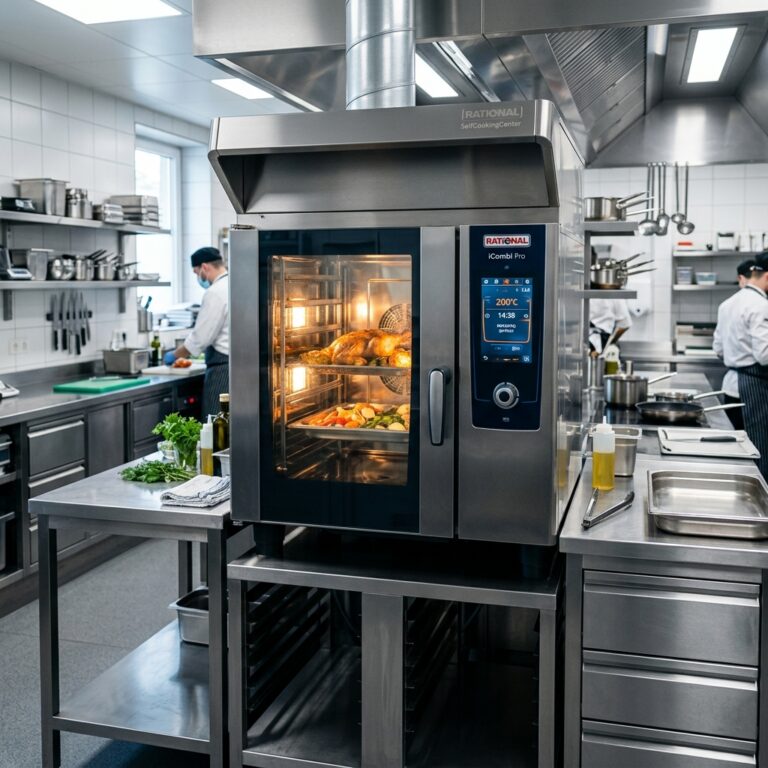
“The data clearly illustrates a ‘chilling effect’ on independent entrepreneurship within the California QSR sector,” notes a senior quantitative analyst specializing in restaurant real estate. “The surviving entities are massive portfolios that can leverage economies of scale. They are mitigating the elevated labor floor through ruthless capital expenditure—specifically, the systemic deployment of autonomous ordering kiosks and automated back-of-house technology to permanently reduce total labor hours.”

This consolidation has permanently altered the unit-level economic structure in the state. The surviving operations are inherently more capital-intensive and labor-light. The 2026 data confirms that while hourly wages have increased for the remaining workforce, the total pool of available hours has been systematically contracted to protect the bottom line.