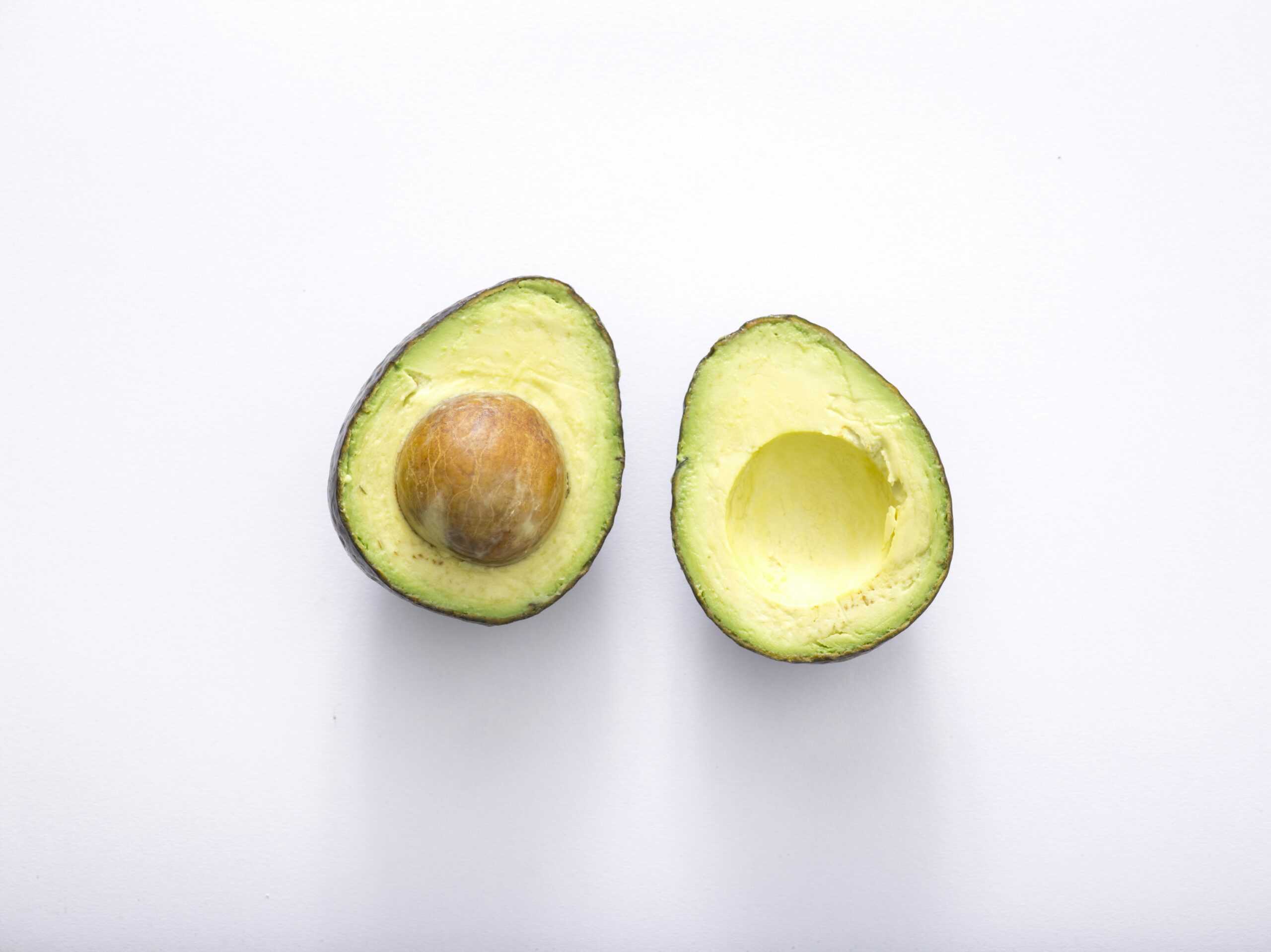
The global produce supply chain is currently absorbing a brutal, multi-front shock. As we move into the second half of 2026, severe rainfall deficits in key Mexican agricultural corridors, compounding with the impending arrival of a highly disruptive El Niño, have shattered previous crop yield models. But climate volatility is only half the crisis. Simultaneous geopolitical friction—specifically the California Avocado Commission’s aggressive lobbying for seasonal Tariff Rate Quotas (TRQs) amidst the high-stakes USMCA review—has injected unprecedented price uncertainty into the market. For fast-casual giants reliant on massive volumes of fresh produce, the era of reactive ‘firefighting’ procurement is dead.
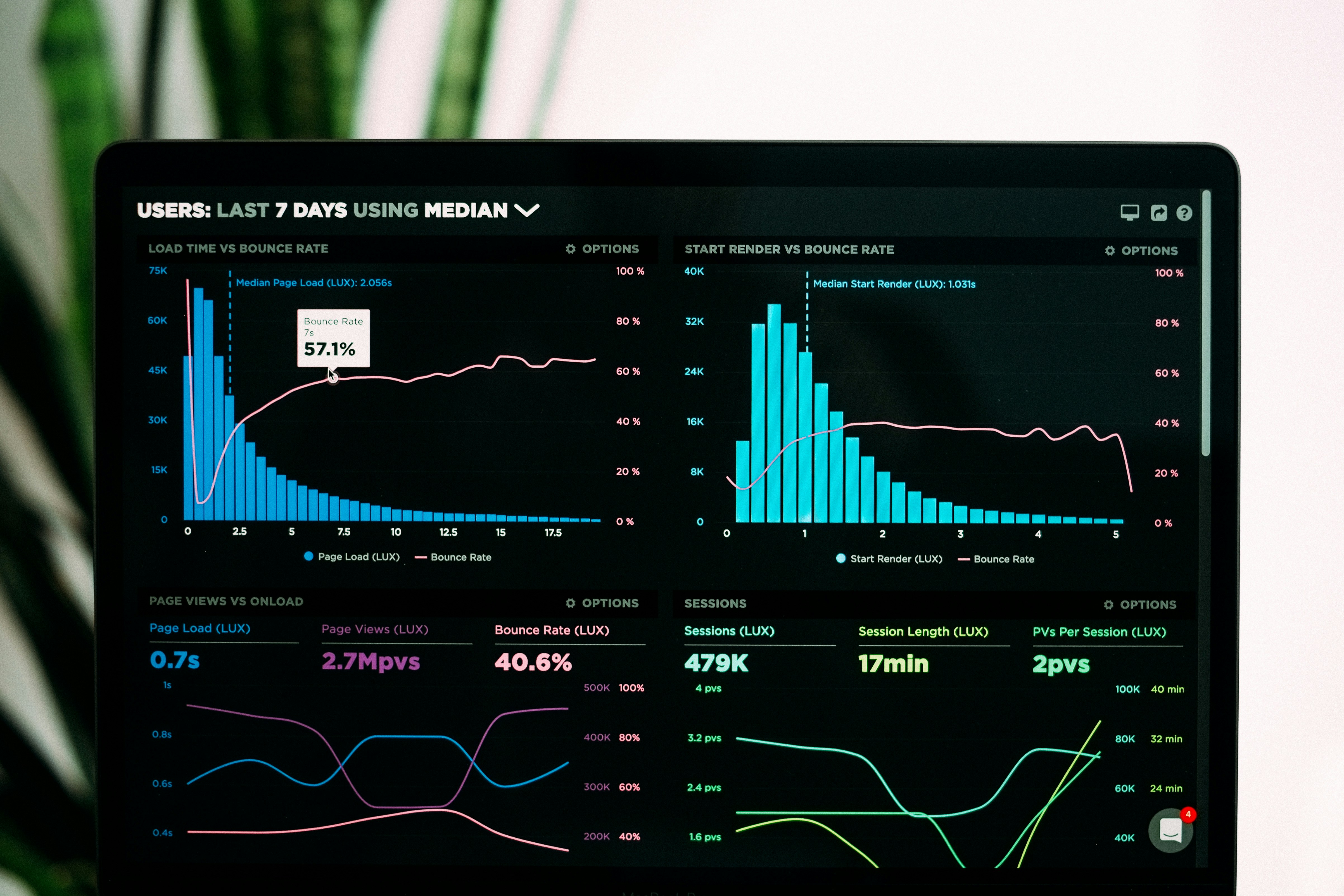
The response from top-tier QSRs has been a massive, accelerated pivot toward ‘Agentic AI’. These are not generic forecasting tools; they are domain-specific, virtual workforces deeply integrated into the procurement stack. When a weather anomaly hits Michoacán, or a new ‘deforestation-free’ compliance mandate drops, these AI agents do not wait for human analysis. They autonomously simulate the downstream margin impact, scan alternate global suppliers for compliance, and execute rerouted purchasing contracts in milliseconds before the spot market prices can spike.
“The speed of geopolitical and climate disruption has outpaced human analytical capacity,” states a senior Director of Global Logistics at a major North American fast-casual brand. “If you are waiting for a quarterly crop report to adjust your buying strategy, your margins are already destroyed. We are deploying AI orchestration layers that map every single orchard to our distribution hubs, allowing us to build ‘defensible resilience’ against sudden tariff hits and weather events in real-time.”

This tech-driven arms race is permanently altering industry dynamics. The operators who successfully integrate these AI architectures are securing reliable, compliant supply lines. Those still operating on legacy spread-sheets are finding themselves locked out of high-quality stock, forced to absorb punishing price hikes that they cannot pass on to an already inflation-weary consumer.