MAFI (Egyptian Food Manufacturing & Import Company)’s announcement to showcase premium Egyptian food ingredients at the Africa Food Show Kenya 2026 is far more than a conventional trade exhibition participation. It signals a strategic, macro-level repositioning within the global agricultural supply chain, with profound implications for food and beverage industry stakeholders, logistics providers, and geopolitical strategists across the African continent and beyond. This move, poised to unfold over the coming years, warrants a meticulous analysis through the lens of evolving geopolitical supply chain dynamics, inherent logistics risks, and the non-negotiable imperative of technological integration.
For global procurement executives and supply chain architects, MAFI’s strategic gambit presents a critical juncture. It underscores a deliberate effort by Egypt to leverage its agricultural output and geographic centrality to penetrate and potentially reconfigure sourcing pathways for East Africa’s burgeoning markets. This is not merely about market expansion; it is about establishing new trade arteries, diversifying risk, and cementing a competitive edge in a continent increasingly defined by its economic potential and complex logistical tapestry.
The Geopolitical Calculus: Egypt’s AfCFTA Ambitions & Regional Influence
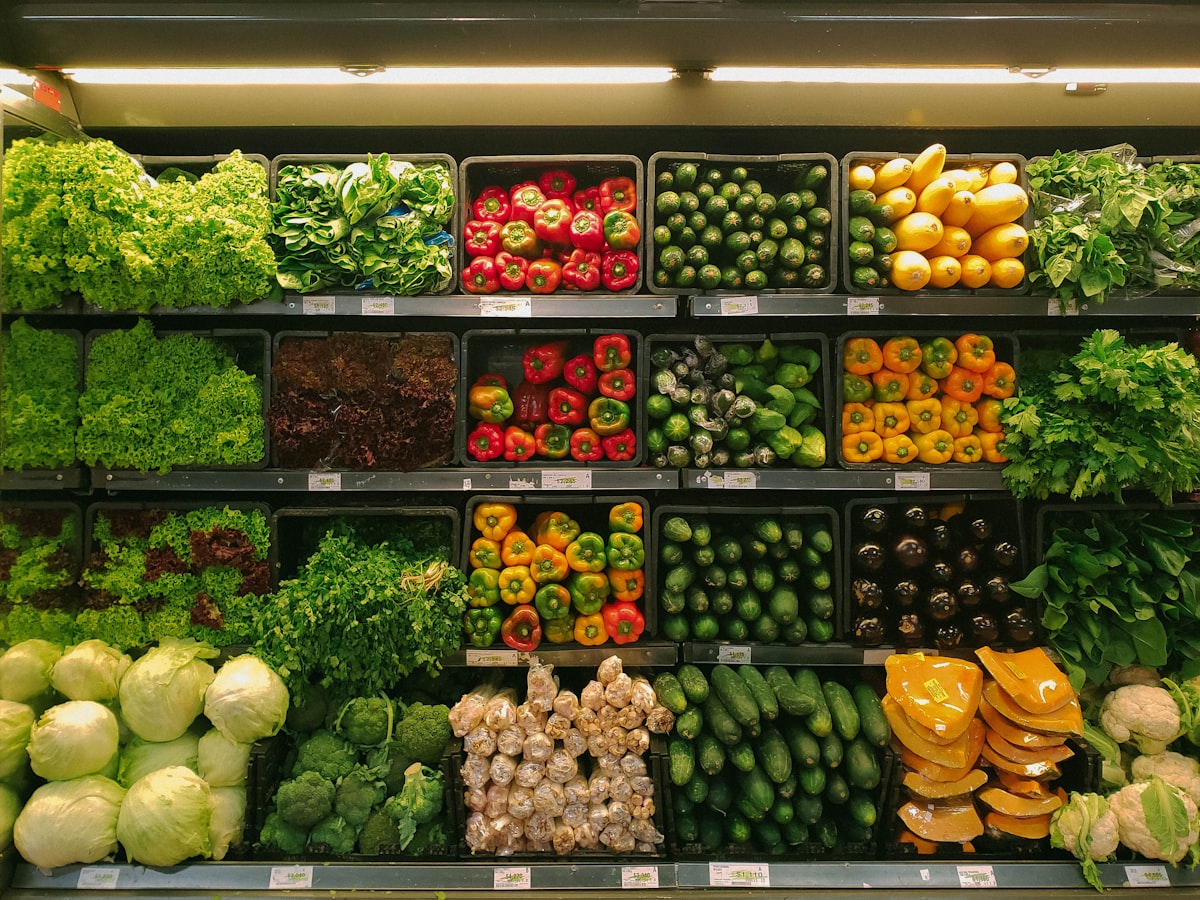
Egypt, a historical agricultural powerhouse, is strategically intensifying its focus on intra-African trade, aligning with the broader objectives of the African Continental Free Trade Area (AfCFTA). The decision to target Kenya, a significant economic and logistical hub in East Africa, is a calculated maneuver. It positions Egyptian produce – renowned for its quality in dates, citrus, fresh fruits, and vegetables – to directly compete with or complement traditional imports from Europe, Asia, and other parts of Africa. This represents a significant shift from historical North-South trade patterns often bypassing intra-African channels.
This initiative must be examined within the context of the Red Sea’s increasing volatility and its impact on global shipping. While the Suez Canal remains a vital conduit for Egypt’s global trade, cultivating robust Southern trade corridors within Africa mitigates reliance on potentially disrupted maritime routes. By fostering stronger direct links to East Africa, Egypt is effectively building redundancy into its export strategy, hedging against geopolitical instabilities that can paralyze traditional maritime arteries. This creates a more diversified and resilient export framework for its agricultural sector, reducing exposure to single-point-of-failure risks inherent in trans-continental shipping.
Furthermore, Egypt’s increased economic presence in East Africa via agricultural exports could enhance its diplomatic and economic influence within the COMESA (Common Market for Eastern and Southern Africa) bloc, complementing its role in other regional initiatives. This is about establishing soft power through economic integration, fostering long-term strategic partnerships that transcend mere transactional trade.
Navigating Logistics Risk: East Africa’s Complex Supply Chain Terrain
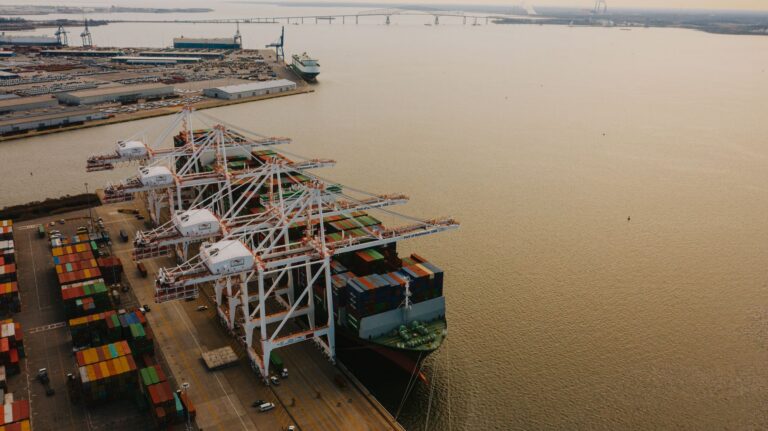
Kenya 2026 serves as a highly visible platform, but the true challenge for MAFI – and indeed for any entity seeking to scale agricultural exports into East Africa – lies in the logistical execution. East Africa’s supply chain landscape is characterized by both immense opportunity and formidable challenges. The Port of Mombasa, while a crucial gateway, requires efficient onward distribution. Infrastructure gaps, including road networks, cold chain facilities, and warehousing capabilities, demand sophisticated planning and significant investment.
For perishable premium Egyptian food ingredients, maintaining integrity from farm gate to market shelf is paramount. This necessitates a robust cold chain network, which is often fragmented or underdeveloped in many parts of the region. MAFI and its partners will need to demonstrate advanced capabilities in temperature-controlled logistics, cross-border customs efficiencies, and last-mile distribution. Data-driven route optimization, real-time tracking, and predictive maintenance for logistics assets will be critical to minimize spoilage and maximize shelf life.
Moreover, geopolitical stability and security along transportation corridors within East Africa present ongoing logistical risks. Diversification of transportation modes (sea, air, road, rail where available) and strategic warehousing in key nodes can mitigate these vulnerabilities. The ability to pivot quickly in response to unforeseen disruptions, informed by a robust data pipeline, will be a defining factor in operational success. This means moving beyond traditional logistics planning to dynamic, risk-adjusted operational models.
Technology Integration: The Imperative for Data-Driven Resilience
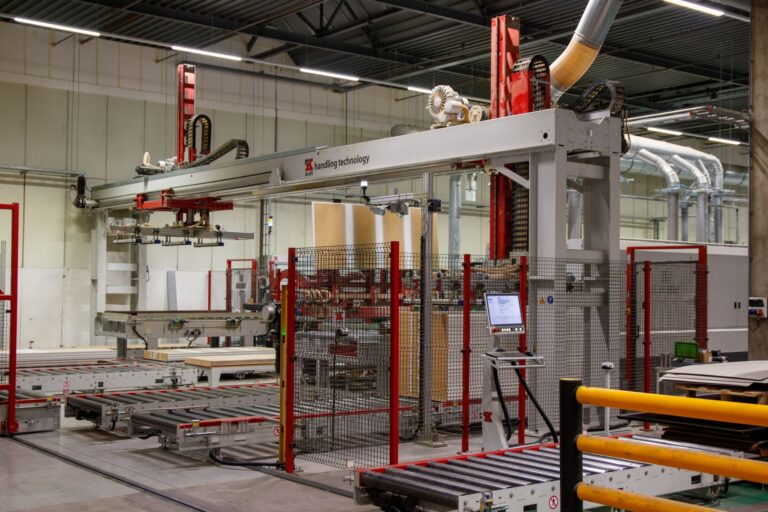
In the high-stakes arena of global agricultural trade, technology is no longer an optional add-on but a foundational pillar of supply chain resilience and competitive differentiation. MAFI’s long-term success in the East African market will hinge significantly on its ability to integrate cutting-edge technologies throughout its supply chain. This extends beyond basic automation to comprehensive data pipeline orchestration and advanced analytics.
Traceability and Transparency: For premium produce, blockchain technology offers unparalleled transparency from farm origin to consumer. This not only builds consumer trust but also provides an immutable audit trail for quality control, regulatory compliance, and swift recall management – a non-negotiable for high-value food products. Implementing IoT sensors for real-time monitoring of temperature, humidity, and location within cold chain containers provides critical data points, enabling proactive intervention and ensuring product integrity.
Predictive Analytics and Demand Forecasting: Leveraging AI and machine learning to analyze historical sales data, seasonal variations, weather patterns, and even social media trends can provide highly accurate demand forecasts. This allows for optimized production planning, reduced waste, and more efficient inventory management across the entire supply chain. Predictive analytics can also identify potential logistical bottlenecks or risks before they materialize, enabling proactive mitigation strategies.
Digital Logistics Platforms: Integrating advanced digital logistics platforms can streamline documentation, customs clearance processes, and multi-modal transportation planning. These platforms provide end-to-end visibility, enhancing coordination among various stakeholders – growers, exporters, freight forwarders, distributors, and retailers – thereby accelerating delivery times and reducing operational costs. This digital infrastructure is key to building a responsive and agile supply network capable of adapting to market fluctuations and external shocks.
Market Implications & Global Hedging Strategies for F&B Businesses
For food and beverage manufacturers, retailers, and distributors currently sourcing globally, MAFI’s aggressive push into East Africa offers a compelling opportunity for supply diversification. Relying heavily on single geographic origins or a limited set of suppliers amplifies exposure to regional disruptions, price volatility, and geopolitical instability. Egyptian premium ingredients present a viable alternative or complementary source, enabling F&B businesses to strategically hedge against such risks.
This market re-alignment can introduce new competitive dynamics. Increased supply options could lead to price stabilization or even downward pressure in certain categories, benefiting buyers. However, it also necessitates a re-evaluation of supplier relationships, quality standards, and ethical sourcing practices. Businesses must conduct thorough due diligence on new suppliers, including their sustainability credentials and labor practices, to ensure alignment with corporate values and regulatory requirements.
Furthermore, this development signals a broader trend: the increasing viability of intra-African trade corridors for high-value agricultural products. F&B businesses should actively explore similar opportunities with other African nations, building a robust, multi-sourced supply network that leverages regional strengths. This regional hedging strategy, combined with technological oversight, forms the bedrock of a resilient global sourcing portfolio.
Strategic Imperatives for Industry Leaders
The strategic implications of MAFI’s move are profound. Food and beverage industry leaders must view this not as an isolated event but as a bellwether for broader shifts in global agricultural trade. Proactive engagement will involve:
- Re-evaluating Sourcing Strategies: Conduct comprehensive risk assessments of current supply chains and explore diversification opportunities, particularly from emerging regional hubs like Egypt.
- Investing in Data & Technology: Prioritize investments in digital platforms for end-to-end supply chain visibility, predictive analytics, and enhanced traceability to build resilience.
- Cultivating Strategic Partnerships: Identify and engage with partners, both in logistics and agriculture, who possess strong regional networks and technological capabilities.
- Monitoring Geopolitical Shifts: Maintain a keen awareness of geopolitical developments, trade agreements (like AfCFTA), and infrastructure projects that will shape future trade routes and market access.
MAFI’s presence at Africa Food Show Kenya 2026 is a microcosm of the larger forces at play: a dynamic interplay of geopolitical strategy, complex logistical challenges, and transformative technological solutions. For the discerning food and beverage industry executive, understanding and proactively adapting to these shifts will be paramount for sustained competitive advantage in the evolving global food economy.