The United States’ recent decision to exempt over 200 agricultural products from reciprocal tariffs marks a significant, albeit nuanced, recalibration of its trade policy. This move, reported by Supply Chain Dive, is far more than a mere administrative adjustment; it represents a pragmatic pivot in the face of persistent global inflationary pressures and acute food security concerns. For the food and beverage (F&B) industry, this development necessitates a deep, macro-level analysis of supply chain architecture, logistics risk profiles, and the imperative for advanced technological integration in hedging against geopolitical volatility.
Historically, reciprocal tariffs have served as a blunt instrument in international trade disputes, aimed at correcting perceived imbalances or coercing behavioral changes. However, their collateral damage—higher input costs, reduced trade volumes, and exacerbated inflationary trends—has become increasingly untenable, particularly within the critical agricultural sector. The timing of this exemption, amidst ongoing geopolitical tensions, climate-induced supply disruptions, and lingering post-pandemic economic fragility, suggests a strategic calculus by the U.S. government to alleviate domestic consumer price burdens while potentially signaling a de-escalation in specific trade fronts, without fully relinquishing its diplomatic leverage.
Navigating the Immediate Impact and Financial Implications
For F&B manufacturers and distributors, the immediate effect is tangible: a reduction in landed costs for the exempted products. This direct financial relief can translate into several operational benefits. Companies that previously absorbed these tariff costs may now see improved margins, while those that passed them onto consumers could potentially offer more competitive pricing, stimulating demand. The scope of the exemptions, encompassing a diverse array of agricultural commodities and semi-processed goods, suggests a targeted effort to address critical components of the food supply chain that significantly impact final product pricing.
However, F&B enterprises must exercise caution. This relief, while welcome, should not lead to a wholesale abandonment of hard-won supply chain diversification strategies. Rather, it offers an opportunity to re-evaluate sourcing portfolios with enhanced flexibility. The dynamic nature of trade policy mandates that any re-engagement with previously tariff-burdened origins be undertaken with a robust understanding of underlying geopolitical currents and the potential for future policy shifts. Strategic flexibility, rather than reactive short-term optimization, must remain paramount.
Reconfiguring Supply Chain Architecture and Logistics
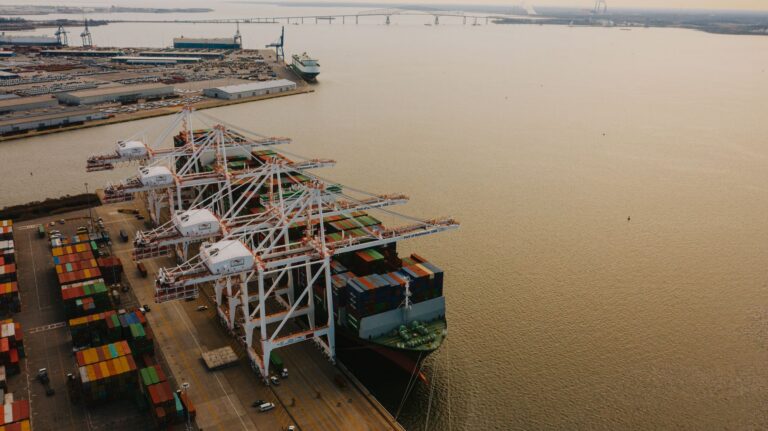
The reintroduction of previously disadvantaged origins into a competitive sourcing landscape demands a sophisticated re-evaluation of logistics networks. F&B companies must conduct comprehensive analyses of lead times, freight costs, port capacities, and cold chain infrastructure across potentially re-activated trade lanes. This involves:
- Ocean Freight Optimization: Assessing the availability and cost-effectiveness of shipping routes, especially for bulk agricultural commodities, considering shifts in global shipping schedules and port congestion.
- Warehousing & Distribution: Re-evaluating optimal warehousing locations and distribution hubs to minimize inland transport costs and ensure freshness for perishable goods.
- Cold Chain Integrity: For temperature-sensitive products, ensuring that the entire logistics chain, from origin to final destination, maintains stringent cold chain standards, especially when considering new or reactivated routes.
Data pipelines become critical here. Real-time data on freight capacity, vessel movements, and port dwell times, integrated with internal inventory management systems, will empower logistics teams to make agile, data-driven decisions, optimizing routes and mitigating potential bottlenecks.
Global Hedging Strategies and Geopolitical Risk
In the lexicon of modern F&B supply chain management, risk hedging extends far beyond commodity and currency fluctuations. The recent tariff exemptions underscore the enduring need for comprehensive geopolitical risk hedging. While the immediate financial burden lessens, the inherent volatility of trade relations remains a significant factor.
Companies must ask: Is this exemption a temporary reprieve, or indicative of a broader, sustained shift in trade policy? What are the political motivations underpinning this decision? Is it a strategic overture to a specific trading partner, or a broader effort to stabilize global food prices ahead of an election cycle? Understanding these underlying dynamics is crucial for developing robust, multi-scenario hedging strategies. Financial instruments can play a role in mitigating commodity price exposure, but robust geopolitical analysis and scenario planning are essential for political risk hedging, informing long-term investment, market entry, and supplier relationship strategies.
Forward-thinking F&B entities will integrate these tariff exemptions into their existing risk frameworks, treating them as variables within a complex equation, rather than absolute constants. This demands a continuous data feed of geopolitical intelligence, coupled with predictive analytics, to anticipate potential shifts and adapt strategies proactively.
The Indispensable Role of Technology Integration
In this dynamically shifting landscape, technology is not merely an enabler but a core strategic imperative for F&B companies aiming to achieve supply chain resilience and competitive advantage. The ability to pivot swiftly in response to policy changes hinges on sophisticated digital infrastructure:
- End-to-End Visibility Platforms: Real-time, granular visibility across the entire supply chain—from farm to fork—is non-negotiable. These platforms must integrate data from multiple sources (suppliers, logistics providers, customs agencies, market intelligence) to provide a single, actionable view.
- Predictive Analytics and AI: Leveraging AI and machine learning algorithms to forecast potential disruptions, demand shifts, and crucially, future policy changes. This includes modeling the impact of renewed tariffs or new exemptions on various cost centers and operational metrics.
- Automated Compliance and Trade Management Systems: With constant changes in trade regulations, customs tariffs, and origin rules, automated systems are vital. These platforms can rapidly update tariff codes, manage documentation, and ensure compliance, significantly reducing delays and potential penalties associated with evolving trade policies.
- Blockchain and Distributed Ledger Technology (DLT): For enhancing traceability, transparency, and trust within reconfigured supply chains. DLT can provide immutable records of product origins, certifications, and movement, which is critical when re-evaluating supplier credibility in new or reactivated trade lanes.
The F&B sector must move beyond traditional ERP systems to embrace integrated data pipelines that offer actionable insights for strategic sourcing, agile logistics, and proactive risk management. This technological integration is the bedrock of future-proof supply chains.
Conclusion: A Call for Strategic Vigilance
The U.S. exemption of over 200 agricultural products from reciprocal tariffs presents a window of opportunity for the F&B industry. It offers a chance to recalibrate sourcing strategies, potentially reduce input costs, and ease some inflationary pressures. However, this is not a signal to return to complacency. The underlying geopolitical and economic forces driving trade policy remain volatile and complex.
Successful F&B enterprises will leverage this reprieve to build more resilient, agile, and technologically advanced supply chains. They will embrace data-driven decision-making, integrate sophisticated analytics for predicting and mitigating risks, and ensure their logistics networks are flexible enough to adapt to rapid shifts in the global trade environment. This strategic vigilance, underpinned by advanced technology and a keen understanding of geopolitical dynamics, will define the leaders in the evolving food supply chain landscape.