California’s bold experiment with a $20 minimum wage for fast-food workers has, predictably, drawn first blood. The ink barely dry on the legislation, and already, thousands of jobs are evaporating across the Golden State’s quick-service restaurant (QSR) sector. This isn’t theoretical economics; it’s a brutal operational reality, forcing immediate, drastic recalibrations in a business model built on wafer-thin margins. Operators, staring down an unprecedented 25% surge in their most significant cost center – labor – are making tough choices, fast. This isn’t just a headline; it’s a stark warning for every restaurant owner nationwide, offering a grim preview of what happens when policy ignores fundamental business economics.
The Unyielding Hand of Operational Costs
The narrative coming out of California isn’t complex. For an industry where labor often accounts for 25-35% of total operating costs, a mandated 25% wage increase (from $16 to $20) doesn’t just pinch; it strangles. Businesses aren’t charities. They’re intricate machines designed for efficiency and profitability. When a critical input cost skyrockets overnight, the only viable responses are to raise prices, cut costs, or cease operations. Given consumer price sensitivity, especially in the fast-food segment, widespread price hikes are a double-edged sword, risking demand erosion and market share loss. Therefore, the axe often falls, swiftly and decisively, on labor costs, which remain the most direct lever for maintaining solvency.
Leaner by Force: Automation and Efficiency Drives
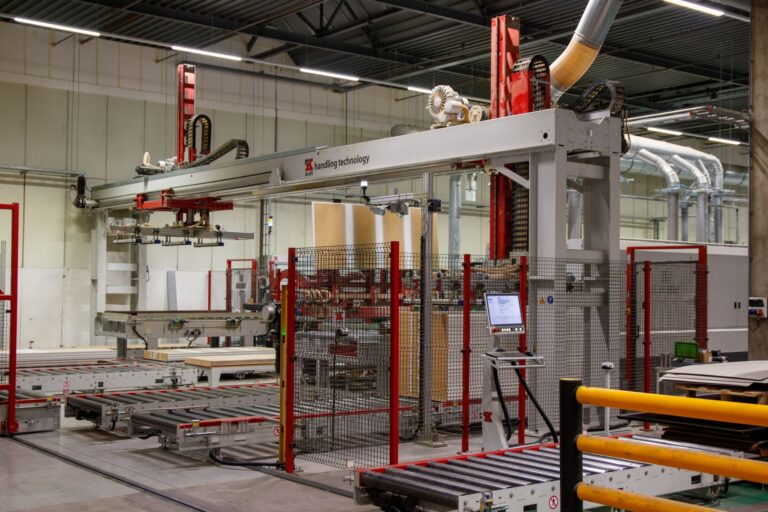
This isn’t just about ‘reducing headcount’ for its own sake. It’s about accelerating the adoption of lean operational principles and leveraging automation as a strategic imperative. Restaurants are scrutinizing every single task, every moment of employee time, demanding unprecedented efficiency. Can a self-ordering kiosk replace a cashier? Can AI streamline drive-thru orders, reducing order-taking errors and speeding service? Can automated fryers, beverage dispensers, or burger flippers reduce the need for multiple kitchen staff during peak hours? The answer, increasingly, is a resounding yes. This isn’t a future trend; it’s current implementation, often driven by a necessity that overrides initial capital expenditure concerns. Operators are now seeing a faster, more compelling return on investment for technology previously deemed ‘nice-to-have’ but now ‘mission-critical’ for margin defense. We’re witnessing a forced evolutionary leap, driven not by choice, but by survival in a newly challenging economic landscape.
The Crushing Weight on Franchisee Margins
The financial impact is immediate and severe. Many fast-food franchises operate with net profit margins often in the low to mid-single digits. A 25% increase in the largest variable cost can effectively wipe out those margins entirely, plunging businesses into unprofitability. This pressure disproportionately affects franchisees, who are themselves small business owners, often caught between corporate brand mandates and a state government imposing unsustainable cost structures. This isn’t just about large, faceless corporations; it’s about the local entrepreneur who owns three McDonald’s outlets or five Subway locations. Their mortgage, their kids’ college fund, their entire livelihood is now under direct and immediate threat. This isn’t hyperbole; it’s a direct, measurable consequence of policy ignoring basic, immutable economic realities. Price increases, though inevitable to some extent, will inevitably test consumer loyalty, potentially pushing customers towards grocery stores or home cooking, further exacerbating the industry’s woes and depressing overall demand.
Beyond California: A National Bellwether for Labor Strategy
The tremors from California will undoubtedly be felt far beyond its borders. Other states contemplating similar aggressive wage policies are now watching a live, real-time case study unfold. The lesson is brutally clear: mandating significant, rapid wage hikes without concurrent productivity gains or corresponding market adjustments leads directly to job displacement and an accelerated pivot towards capital expenditure (automation) over labor expenditure. Smart operators, irrespective of their current location, are already diversifying their offerings, optimizing their menu for higher-margin items, aggressively renegotiating supplier contracts, and fundamentally rethinking their physical footprint and operating models. Ghost kitchens, drive-thru only models, and highly automated outlets will become more prevalent as a defensive strategy against future labor cost shocks. It’s about building resilience into the business model, hardening it against unpredictable and often politically motivated cost increases.
Reshaping the Fast-Food Workforce Landscape
Beyond the immediate job losses, this seismic shift will fundamentally alter the fast-food workforce. The industry, historically a crucial entry point for young workers, students, and those re-entering the job market, may see these opportunities shrink dramatically. The remaining jobs will likely demand higher skill sets – such as managing complex automated systems, performing multi-tasking across more integrated roles, or requiring stronger customer service capabilities for a more limited staff – or be reserved for more experienced, high-performing staff, thereby creating a significant barrier to entry for novice workers. This policy, ostensibly designed to uplift low-wage workers and improve labor conditions, ironically risks marginalizing those it aimed to help, creating a smaller pool of higher-paid, but significantly fewer, opportunities. The emphasis shifts from easily accessible entry-level jobs to positions requiring more specialized training, adaptability to technology, and a higher threshold of proven efficiency.
California’s $20 minimum wage mandate isn’t just a local anomaly; it’s a stark preview of the high-stakes game operators must now play. The immediate and quantifiable job losses serve as an undeniable testament to the economic realities of thin-margin businesses. For every restaurant owner and operator outside California, this is a clarion call to review their operational efficiency, accelerate automation plans, and fortify their profit margins against future shocks. The era of cheap, easily scalable labor in fast food is rapidly drawing to a close, and only those prepared to embrace leaner operations, smarter technology, and relentless cost control will weather the storm. Adapt or perish – the choice, and the consequences, are brutally clear for the modern restaurant industry.