2024 is shaping up to be a brutal year for fast-food operators, and anyone in this business who isn’t battening down the hatches for a full-scale labor war is either naive or financially reckless. Forget the platitudes about ’employee satisfaction’ for a moment; the bottom line is screaming. Major players like McDonald’s, Chipotle, and Starbucks aren’t just reacting; they’re deploying calculated, aggressive strategies to protect their margins from escalating wage pressures, unionization threats, and a tightening regulatory noose—most notably California’s AB 1228, which is just a taste of what’s to come nationally.
This isn’t about choice anymore; it’s about survival. The fast-food industry is facing a systemic shift in labor costs, and companies that fail to adapt their operational backbone will simply be outmaneuvered. The focus is singularly on automation, operational re-engineering, and strategic compensation—not as goodwill gestures, but as critical instruments for margin defense.
The Automation Imperative: Replacing Hands with Logic
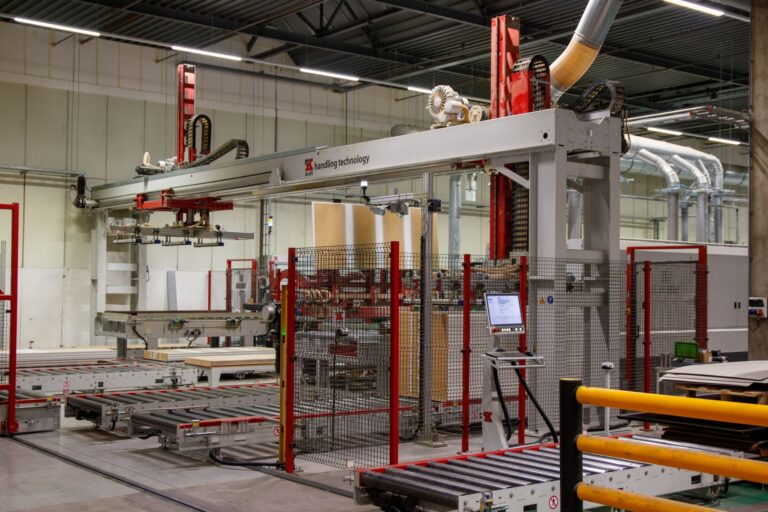
Let’s be clear: automation isn’t a luxury; it’s the primary bulwark against exploding labor costs. Every dollar saved on human wages is a dollar that doesn’t erode your P&L. McDonald’s is leading the charge with significant investments in drive-thru AI systems, streamlining order taking to reduce human error and increase speed. This isn’t just about faster service; it’s about reducing the need for human order-takers, especially during peak hours, and reallocating existing staff to tasks that truly require a human touch—or eliminating those positions altogether.
Inside the kitchen, we’re seeing advanced fryers that automate precise cooking times and beverage dispensers that minimize waste and speed up drink assembly. Their mobile ordering and kiosk initiatives aren’t just for customer convenience; they’re designed to shift labor away from the front counter, allowing fewer employees to handle more transactions. The goal is clear: maximize throughput with fewer paid hands.
Chipotle, often lauded for its ‘fresh’ and ‘made-to-order’ ethos, isn’t immune. They’re piloting ‘Autocado’ for automated avocado mashing and have been rolling out automated tortilla chip makers. These might seem like minor additions, but consider the sheer volume of avocados and chips processed daily across hundreds of locations. Each automated unit represents a measurable reduction in repetitive, time-consuming tasks traditionally performed by back-of-house staff. This frees up their relatively higher-paid team members for more complex prep or customer-facing roles, ultimately boosting their per-employee productivity.
Starbucks, while traditionally more reliant on highly skilled baristas, is also streamlining. Investments in advanced Mastrena espresso machines and cold brew systems aren’t just about drink quality; they’re about reducing the time and complexity of beverage preparation, allowing baristas to serve more customers per hour. Their continued push for mobile order and pay reduces front-counter interaction, pushing customers towards digital platforms that require less human intervention at the point of sale. This is lean operational thinking applied directly to the coffee bar.
Operational Re-engineering: Every Second, Every Dollar Counts
Beyond shiny new tech, the real battle is won in the trenches of day-to-day operations. This is where lean principles prove their worth. McDonald’s, Chipotle, and Starbucks are all relentlessly focused on optimizing workflows, eliminating waste (Muda in lean terms), and standardizing processes to extract maximum efficiency from every labor hour. This means scrutinizing every step of food preparation, assembly, and service.
For McDonald’s, it’s about perfecting the ‘Made For You’ kitchen model, where food is cooked to order, minimizing holding times and waste. The precision timing of their kitchen display systems ensures synchronized production, meaning fewer staff are standing idle and more orders are fulfilled rapidly. For Chipotle, it’s about optimizing their prep lines and ensuring that ingredients are always stocked and easily accessible, reducing ‘searching’ and ‘waiting’ time. Their new ‘Chipotle Cultivate Next’ program specifically targets operational innovation to improve speed and efficiency.
Starbucks is constantly refining its ‘playbook’—the exact sequence of steps for drink creation and customer interaction. They’re designing stores with enhanced flow, better equipment placement, and clear zones for different tasks (e.g., mobile order pickup, drive-thru staging) to prevent bottlenecks. The goal: to enable baristas to handle high volumes without adding headcount. Cross-training staff across multiple stations also becomes critical, allowing management to flex labor based on real-time demand rather than overstaffing. This agility is non-negotiable when wages are skyrocketing.
Strategic Compensation and Retention: A Necessary Evil for the Talent Grind
With external pressures pushing wages up, merely adhering to minimum wage is no longer a viable retention strategy. These QSR giants are being forced to rethink their entire compensation and benefits packages. This isn’t charity; it’s a cold, hard cost-benefit analysis. High turnover is a margin killer, eroding profitability through recruitment, training, and lost productivity.
McDonald’s, for instance, has committed to raising average hourly wages for corporate-owned stores and is strongly encouraging franchisees to follow suit. They’re coupling this with enhanced benefits, including tuition assistance programs and healthcare benefits, designed to make employment more attractive. Chipotle has implemented competitive wages, bonus programs, and pathways for career advancement (e.g., ‘restaurateur’ program) to foster loyalty and reduce the churn that plagues the industry.
Starbucks has a long history of offering competitive benefits, including healthcare for part-time workers and tuition reimbursement. They continue to adjust wages and roll out new initiatives like ‘Sip and Savor’ benefits to sweeten the deal. The underlying calculus is that a stable, somewhat content workforce, even at a higher per-hour cost, is ultimately more cost-effective than a constantly revolving door of disgruntled, untrained new hires. It also acts as a powerful deterrent against unionization efforts, which, if successful, can impose even greater rigidities and costs on operations.
Margin Defense: The Uncomfortable Truth of Price Adjustments
When labor costs surge, and operational efficiencies are maximized, there’s only one lever left to pull: pricing. All three companies have been strategically raising menu prices, albeit carefully, to offset these increased operational expenditures. This is a delicate dance. Push prices too high, and you risk alienating value-conscious customers and driving them to competitors or out of the QSR market entirely. Fail to raise them enough, and your margins evaporate.
The strategic pricing is often disguised through smaller portion sizes, premium add-ons, or bundle deals that appear to offer value while quietly increasing the average transaction value. The goal is to maintain the perception of affordability while ensuring the numbers still make sense on the balance sheet. For Liam O’Connor, the math is simple: a viable business must make a profit. Anything less is unsustainable.
The Road Ahead: Adapt or Perish
The year 2024 will be a brutal litmus test for the fast-food industry. The strategies employed by McDonald’s, Chipotle, and Starbucks—heavy investment in automation, relentless operational optimization, and strategic adjustments to compensation—are not optional. They are blueprints for survival. Smaller, independent operators without the capital or scale to implement similar changes will face an even steeper uphill battle. The era of cheap, easily replaceable labor is drawing to a close, and the companies that recognize this reality and act decisively will be the ones left standing when the dust settles.