Bunge’s definitive acquisition of International Flavors & Fragrances’ (IFF) soy protein concentrate, lecithin, and crush business marks a monumental strategic maneuver within the global food ingredient sector. Far from a mere asset transfer, this transaction represents a calculated consolidation of critical capabilities, fundamentally reshaping the supply chain for plant-based ingredients and signaling a robust pivot towards enhanced vertical integration and supply resilience for Bunge. For food and beverage manufacturers navigating an increasingly volatile global landscape, this move by an agribusiness behemoth holds profound implications for sourcing strategies, risk management, and product innovation.
The Strategic Imperative: Deepening Vertical Integration
At its core, this acquisition strengthens Bunge’s position as a dominant, integrated player in the burgeoning plant-based sector. By integrating IFF’s crush business, Bunge gains direct control over a pivotal upstream processing stage—the conversion of raw soybeans into meal and oil. This significantly mitigates upstream supply risks and enhances control over the fundamental building blocks of soy-derived ingredients. The further integration of soy protein concentrate and lecithin production, both highly sought-after functional ingredients, extends Bunge’s value chain deep into specialized applications crucial for a diverse range of products, from meat alternatives and dairy-free formulations to nutritional supplements and baked goods.
This vertical integration promises not only tighter quality control and improved traceability from farm to factory but also potentially more agile response times to market demands. For F&B companies, this translates into a more streamlined, reliable supply of essential plant-based components, critical for accelerating new product development cycles, ensuring consistent ingredient quality, and scaling production efficiently in a competitive marketplace.
Geopolitical Supply Chains & Logistics Resilience Under Bunge’s Aegis
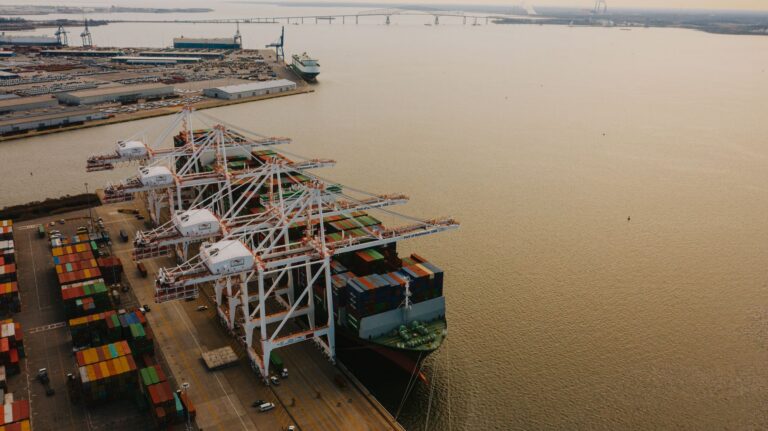
As a leading global agribusiness and food ingredient company, Bunge’s operational prowess lies in its expansive international network and sophisticated logistics infrastructure. Integrating IFF’s assets into this framework has profound implications for global supply chain resilience, a paramount concern in an era characterized by geopolitical tensions, trade disruptions, and climate-induced agricultural volatility. Bunge’s established logistics pipelines—spanning ocean freight, rail, and road networks—can now be optimized to move these specialized soy derivatives more efficiently, potentially reducing lead times, transportation costs, and carbon footprints.
This consolidation offers a measure of stability by bringing more stages of the value chain under one roof, thereby reducing reliance on fragmented external dependencies. It also enables Bunge to strategically diversify its sourcing and processing locations, leveraging its global footprint to navigate regional chokepoints and mitigate risks associated with localized disruptions or trade tariffs. While concentrating a larger portion of the supply within a single entity, the move allows for the implementation of robust internal risk management protocols and redundancy planning, reflecting a broader industry trend towards more controlled and strategically ‘friend-shored’ critical supply chain components.
Data-Driven Optimization & Global Hedging Strategies
For a sophisticated participant in global commodity markets like Bunge, the integration of these new assets transcends mere physical operations; it presents a significant opportunity to enhance its data pipeline and refine its global hedging strategies. By controlling a greater expanse of the soy value chain, Bunge gains unparalleled insights into granular supply and demand dynamics, processing efficiencies, and input costs across multiple regions. This comprehensive data, when fed into advanced analytical models, facilitates more precise market forecasting and more effective risk management against the inherent volatility of soybean, soy meal, and soy oil prices.
For Bunge’s F&B clientele, this translates into the potential for more stable long-term supply agreements and reduced exposure to short-term market fluctuations, a critical advantage in managing ingredient costs and budgeting. This isn’t solely about trading physical commodities; it’s about leveraging informational asymmetry and algorithmic prowess to optimize a complex global network, delivering predictable value in an unpredictable world.
Shifting Market Dynamics in Plant-Based Proteins
The plant-based protein market is no longer a niche; it is a global force driving significant innovation and consumer demand. Bunge’s acquisition unequivocally solidifies its commitment and capability in this arena, positioning it as an even more formidable partner for F&B companies. Soy protein concentrate is a foundational ingredient for a vast array of alternative protein products, while lecithin is vital for emulsification, texture, and mouthfeel across numerous food applications. By strengthening its position in both, Bunge becomes a more comprehensive and influential ingredient supplier.
This move intensifies competition with other agribusiness giants such as ADM and Cargill, potentially spurring further consolidation or specialization within the plant-based ingredient sector. Ultimately, F&B manufacturers stand to benefit from accelerated ingredient innovation, a broader portfolio of high-quality solutions, and potentially more competitive pricing driven by Bunge’s economies of scale and enhanced operational efficiencies. This fosters a dynamic environment for product development, empowering brands to meet evolving consumer preferences for sustainable, functional, and plant-derived options.
Sustainability and ESG Integration
Beyond commercial gains, this strategic integration offers notable advantages in sustainability and ESG (Environmental, Social, Governance) performance. By bringing more stages of the supply chain under unified management, Bunge can implement more rigorous environmental controls, optimize resource utilization, and enhance traceability throughout the production process. This translates into reduced waste, optimized energy consumption, and more transparent reporting for F&B manufacturers keen on demonstrating their own commitments to sustainable sourcing and ethical supply chains. Such enhanced oversight is invaluable for brands seeking to meet increasingly stringent consumer and regulatory demands for sustainability.
Bunge’s acquisition of IFF’s soy protein concentrate, lecithin, and crush business is a meticulously orchestrated strategic maneuver, designed to build a more robust, integrated, and resilient plant-based ingredient supply chain. In an increasingly complex geopolitical and economic landscape, this move allows Bunge to leverage its global logistics expertise, advanced data analytics, and sophisticated hedging capabilities to navigate volatility and deliver enhanced value. For the global food and beverage industry, this transaction signals a clear pathway towards more controlled, efficient, and strategically hedged sourcing of critical plant-based ingredients, underpinning future growth and innovation in a transformative era.